
Youth Assembly Platform: Let’s Build a Kenya where Opportunity has No Tribe
For decades, tribal politics has shaped much of Kenya’s public conversation.
Elections often reignite debates over which community is in power, who benefits from government and whether development is being shared fairly.
But a growing conversation among young Kenyans is asking a different question: can stronger institutions and equitable development reduce the influence of ethnic politics?
That was one of the key themes emerging from a Youth Assembly Platform discussion on tribal politics, inclusivity and equitable development.
The participants argued that lasting national progress depends less on personalities and more on systems that work for every Kenyan.
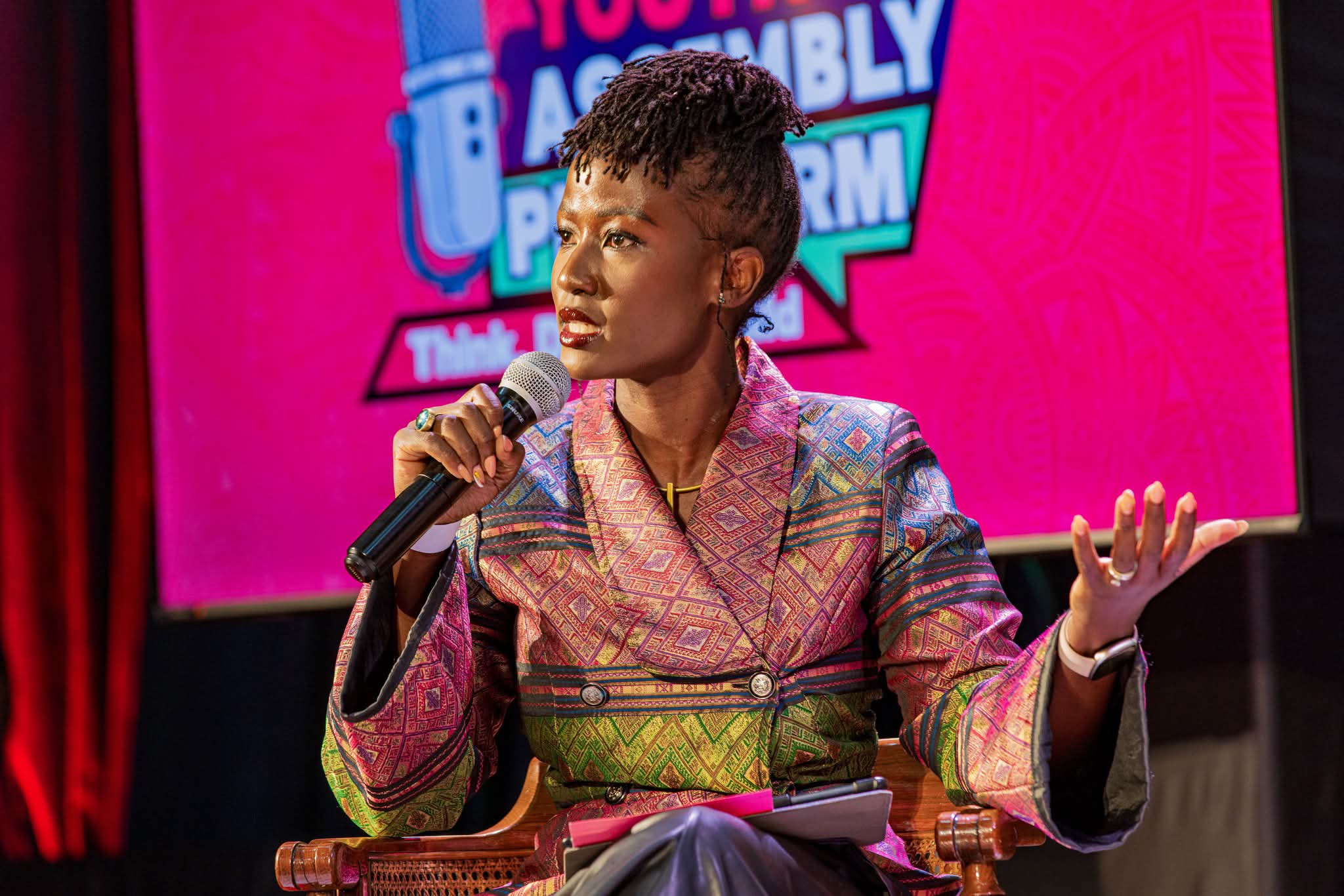
One of the ideas raised during the discussion was that institutions should outlive political leaders.
While individuals come and go, effective public institutions continue delivering services, enforcing accountability and protecting citizens regardless of who is in office.
Countries that have built strong institutions, participants noted, tend to experience greater political stability and sustained economic growth because governance is not tied to individual leaders.
The discussion also explored how tribalism extends beyond election campaigns.
Participants observed that ethnic divisions can influence everyday life, from employment opportunities and business relationships to public perceptions about fairness in government.
They argued that reducing these divisions requires creating equal opportunities for all citizens, regardless of where they come from.
Equitable development featured prominently in the conversation.
When communities across the country gain access to roads, healthcare, education, electricity, digital services and economic opportunities, citizens are more likely to judge leadership by improvements in their daily lives rather than by ethnic identity.
Inclusive development, participants suggested, can help strengthen national cohesion by reducing feelings of exclusion.
Another recurring theme was the role of young people in changing Kenya’s political conversation.
Rather than focusing solely on personalities and political rivalries, many young Kenyans are increasingly interested in governance, service delivery, jobs and accountability.
The discussion reflected a growing expectation that leadership should be measured by results and the strength of public institutions rather than ethnic mobilisation.
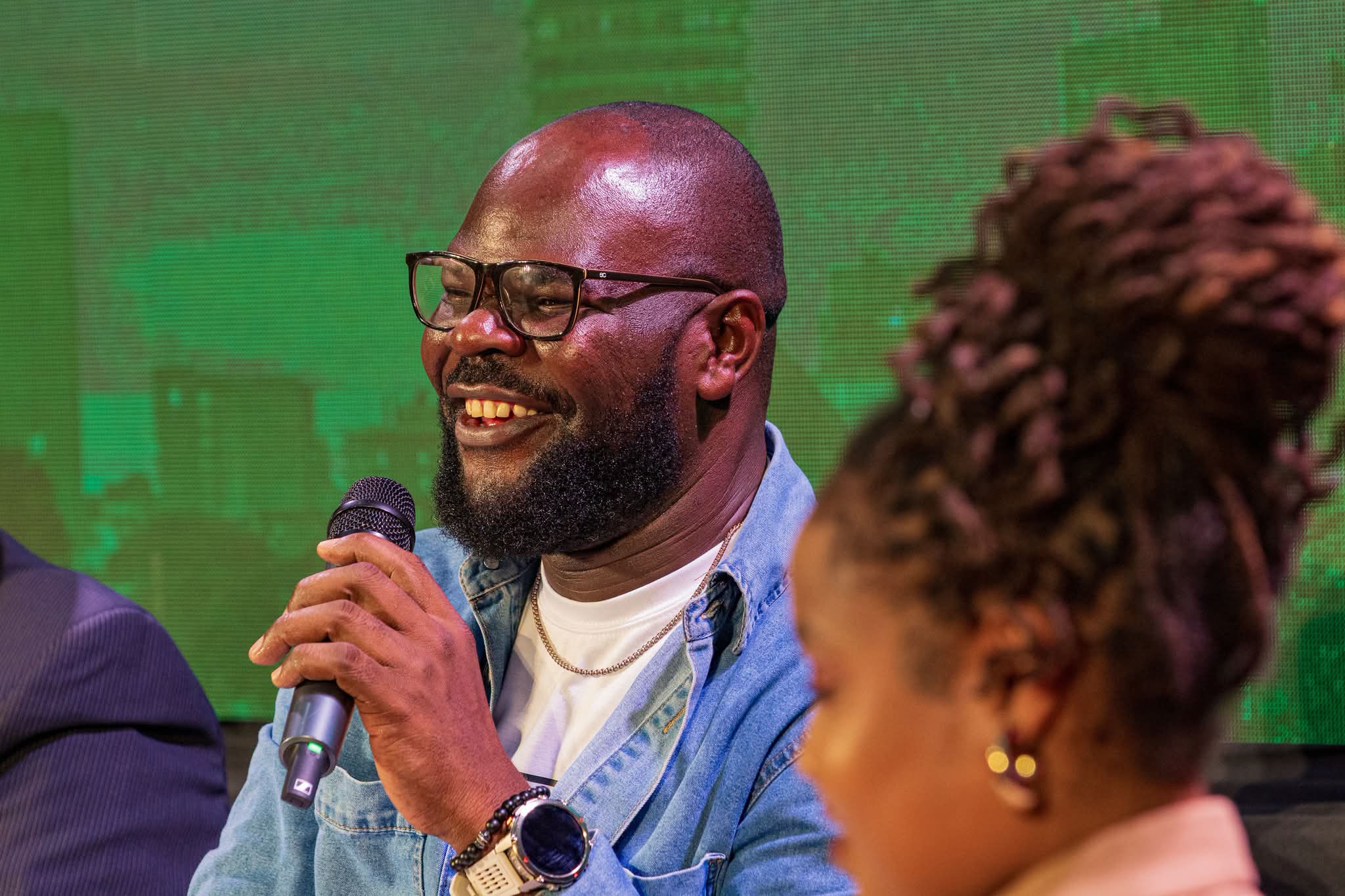
Ultimately, the conversation pointed to a broader shift in how nation-building is being viewed.
Kenya’s diversity remains one of its greatest strengths, but participants argued that lasting unity will depend on institutions that treat citizens fairly and development that reaches every part of the country.
As Kenya continues to invest in infrastructure, public services and economic opportunities across its regions, discussions like these suggest the national conversation is gradually evolving.
Increasingly, the question is no longer which community is in power, but whether every Kenyan has a fair opportunity to participate, prosper and contribute to the country’s future.
This shift – from identity-driven politics to conversations about institutions, inclusion and shared development – may prove just as important as any election in shaping Kenya’s next chapter.