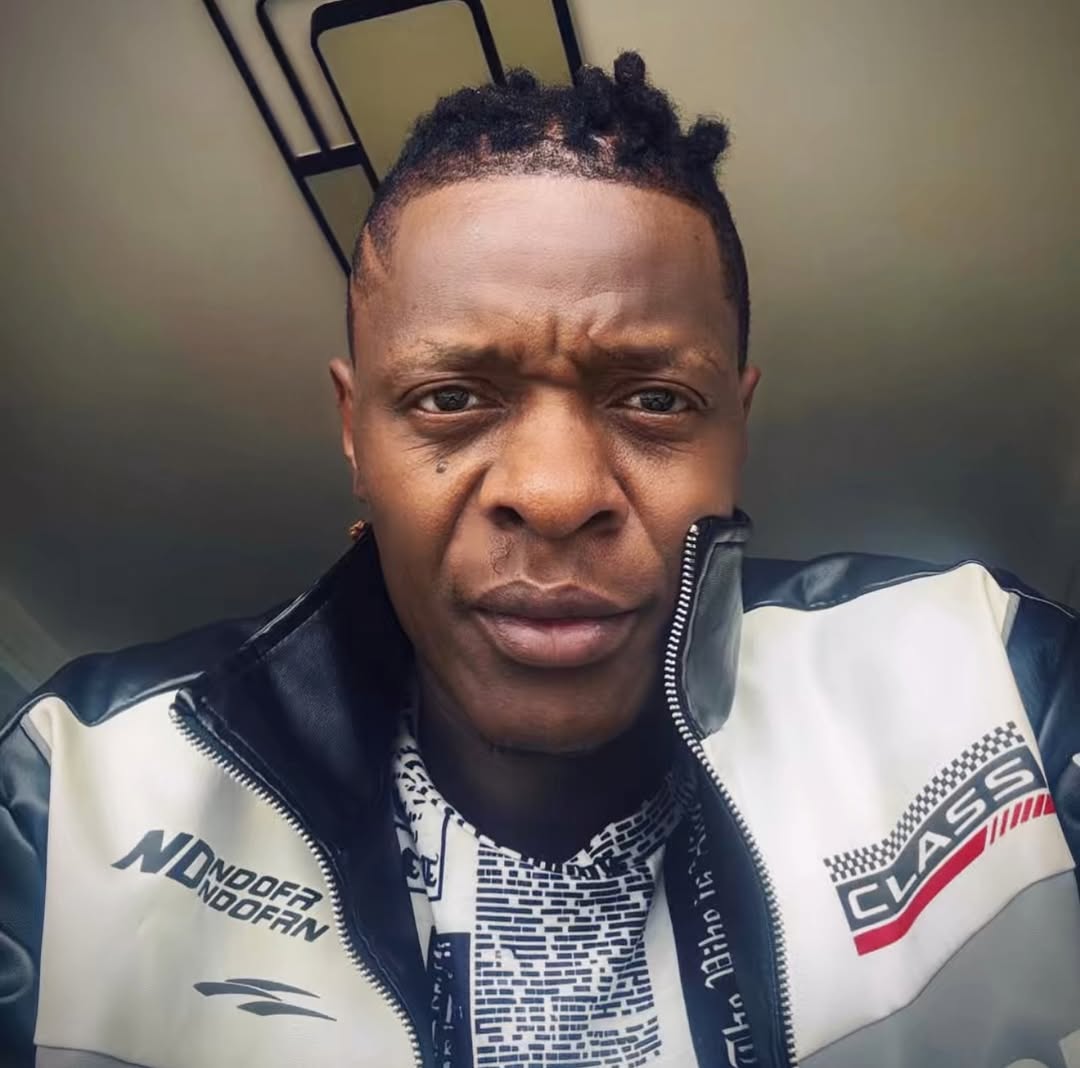
Huddah Monroe Mourns Loss of Lives During Saba Saba Protests: “It Hurts Deeply”
Huddah Monroe has spoken out against the tragic loss of lives during the Saba Saba demonstrations held on Monday, July 7, expressing sorrow and outrage over what she describes as the state’s disregard for citizens fighting for a better Kenya.
Taking to her Instagram Stories, Monroe reposted a disturbing message alleging a protester had been killed and dragged into a police station in Juja. The post read:
“Killed then dragged into the police station wtf? We are dealing with animals. This is not acceptable!! Happening in Juja.”
Alongside the post, Monroe shared her own sentiments, saying:
“Sad. It hurts when I see how people have tried to fight for a better Kenya and it falls on deaf ears.”
Her comments came in the wake of a brutal police crackdown on demonstrators during this year’s Saba Saba commemorations, which marked 35 years since the 1990 pro-democracy uprising that pushed for multiparty democracy in Kenya.
This year’s protests were fuelled by public frustration over soaring living costs, government corruption, and widespread reports of police brutality—issues that have particularly galvanized Kenya’s youth.
According to the Kenya National Commission on Human Rights (KNCHR), at least 10 people lost their lives and 29 others were injured during Monday’s demonstrations, which spanned 17 counties. The watchdog also reported troubling trends, including:
-
Deployment of heavily armed police using tear gas and water cannons.
-
Presence of hooded officers in unmarked vehicles, in violation of court directives requiring officers to display identification.
-
Incidents where criminal gangs armed with crude weapons were allegedly operating in coordination with police, particularly in protest hotspots like Nairobi and Eldoret.
In a move to support victims, the Ministry of Health earlier announced that medical bills for protest-related injuries incurred on June 17 and 25 would be waived. The directive tasked Kenyatta National Hospital with absorbing the costs through its Disaster Emergency Fund and extended condolences to affected families.
Despite these government efforts, many Kenyans remain unconvinced. Police spokespersons have disputed the KNCHR’s findings, stating that some claims “lack factualness” and denying any collaboration between the police and “goons or criminal elements.”
Still, the rising death toll—coupled with harrowing images and stories emerging from protest zones—has intensified national grief and frustration. Civil society groups estimate that at least 80 people have died in protests since June 2024.
For Huddah Monroe, the loss is both personal and symbolic. Her emotional response reflects a broader sentiment shared by many Kenyans who fear that the sacrifices of citizens seeking reform continue to go unacknowledged.
“It hurts deeply,” she lamented, echoing the pain of a nation grappling with grief, resistance, and the long fight for justice.