
The Day You Get Your ID, Life Starts Moving
You can always tell when someone has just turned 18 in Kenya.
There’s that mix of impatience and pride. The photos are serious. The clothes are chosen carefully. The trip to the registration centre feels bigger than it looks.
Because in this country, adulthood doesn’t begin with a birthday cake.
It begins with an ID.
Not because the plastic is magical. Not because the queue is fun. But because that small card quietly unlocks almost everything.
Without it, life is strangely on pause.
You can’t open a bank account. You can’t properly register for government programmes.
You struggle to access certain healthcare services. Even something as basic as activating a SIM card becomes complicated.
The law may say you are a citizen, but daily life keeps asking you to prove it.
That’s what identity really is – proof that you belong in the system.
And belonging matters.
For a young person in Kisumu trying to start a biashara, that ID means access to youth funds and enterprise support. For someone in Nairobi applying for affordable housing or signing up to Boma Yangu, that card is the entry ticket.
For another Kenyan enrolling into Social Health Authority services, it can mean hospital bills covered instead of debts piling up.
It’s not theory. It’s practical life.
That’s why the ongoing national ID registration drive – currently rolling through parts of Western Kenya and Nairobi, with plans to expand countrywide – matters more than it sounds.
For years, getting an ID has sometimes meant distance, cost, long travel, missed work.
When services move closer to the people – through mobile registration and Huduma Mashinani-style outreach – something shifts.
The burden moves from citizen to state. And that’s how it should be.
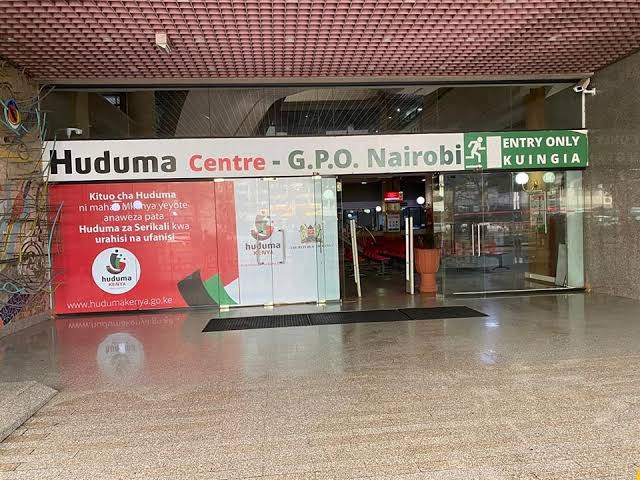
Waiving application fees pushes that shift even further. Because if identity is the gateway to opportunity, cost should not be the gatekeeper.
Zoom out for a second and you see the bigger picture.
When citizens can verify who they are, they participate. They open accounts. They register businesses. They vote. They access healthcare.
They move from informal survival to formal opportunity. Economies grow not just because of big investors, but because ordinary people are visible in the system.
And invisibility is expensive – not just for individuals, but for the country.
In the end, an ID is more than compliance. It is dignity. It is independence.
It is the quiet confidence of walking into an office and not having to explain yourself twice.