Tension As Gachagua And Ruto Exchange Insults In Public
The political landscape in Kenya has shifted from hushed tensions to an all-out public confrontation. In late March and early April 2026, President William Ruto and his former Deputy, Rigathi Gachagua, traded sharp barbs in a series of highly publicized encounters that have signaled the definitive end of their once-solid “Umoja” alliance.
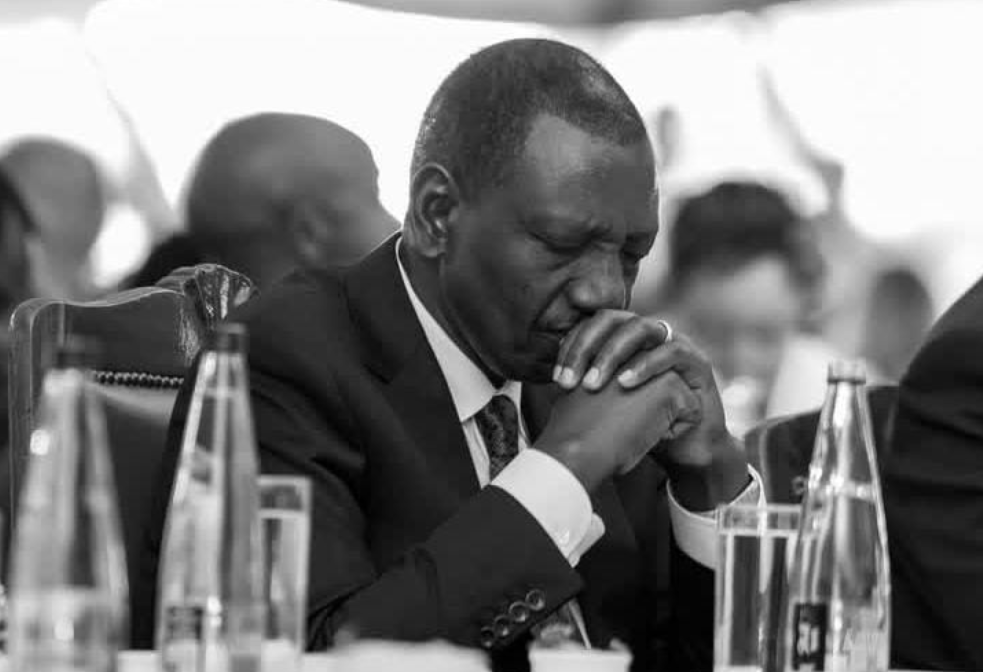
The friction reached a fever pitch on Wednesday, April 8, 2026, during the burial service of former Ol Kalou MP David Njuguna Kiaraho in Nyandarua. This event marked the first time the two leaders faced each other publicly since Gachagua’s impeachment in late 2024.
1. The Nyandarua Face-Off: “Betrayal is Not Forgiven”
Standing just meters away from the President, a fiery Gachagua—now leading the Democracy for Citizens Party (DCP)—delivered a blunt “lecture” to his former boss. He accused the President of betraying the Mt. Kenya region, which was instrumental in his 2022 victory.
The “Mugumo Tree” Metaphor: Gachagua told Ruto that while he was successfully removed from the DP’s office, removing him from the hearts of the people was “like trying to cut a Mugumo (fig) tree with a razor blade.”
The Tribalism Debate: Gachagua took issue with Ruto labeling certain political stances as “tribal,” reminding the President that the Mt. Kenya community voted for a “William Ruto” and not a “Kamau” or “Njoroge,” proving they were not tribalists when they supported him.
The “Bad Advisors” Narrative: Gachagua singled out National Assembly Majority Leader Kimani Ichung’wah, accusing him of being a “child” leading the President into a political pit.
2. Ruto’s Rebuttal: From Policy to Personality
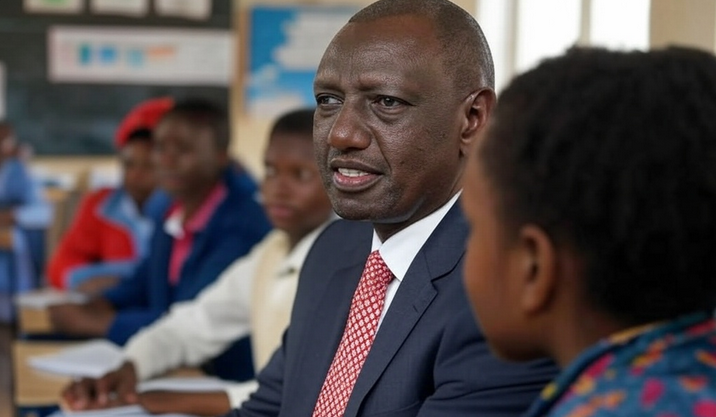
President Ruto has not remained silent. During recent tours in Western Kenya (Vihiga and Bungoma), the President escalated the rhetoric, shifting from development talk to personal swipes.
Body Shaming Allegations: In a move that sparked significant social media debate, Ruto made remarks about his opponents’ physical appearances, telling them to “reduce where they eat” and stop “polluting the air” at rallies.
The “Political Tribalism” Charge: Ruto maintained that his former deputy was removed from Parliament precisely because of “tribalism” and vowed that Gachagua would “never lead anybody in this country” again.
Direct Dismissal: Ruto dismissed the criticism of his administration, suggesting that Gachagua and other opposition figures were merely “bitter” over failed business dealings and lost tenders.