Commuters Stranded For A Second Day As Matatu Owners Association Digs In
The nationwide public transport strike entered its second day on Tuesday, May 19, 2026, leaving commuters across the country facing persistent travel disruptions and forcing thousands to walk to their destinations.
While public service vehicles (PSVs) remained largely absent from their usual routes, a few operators offered limited services. Despite the ongoing boycott, major roads leading into the capital remained fully operational. The Kenya Red Cross confirmed that traffic was flowing smoothly with “no reports of major disruption or traffic snarl-ups” in the wake of Monday’s chaotic protests.
Empty Highways and Closed Schools
The impact of the strike transformed Nairobi’s usually congested infrastructure. Sections of the busy Thika Superhighway recorded unusually light traffic, with large stretches of the multi-lane highway remaining clear during peak hours as commuting slowed to a crawl.
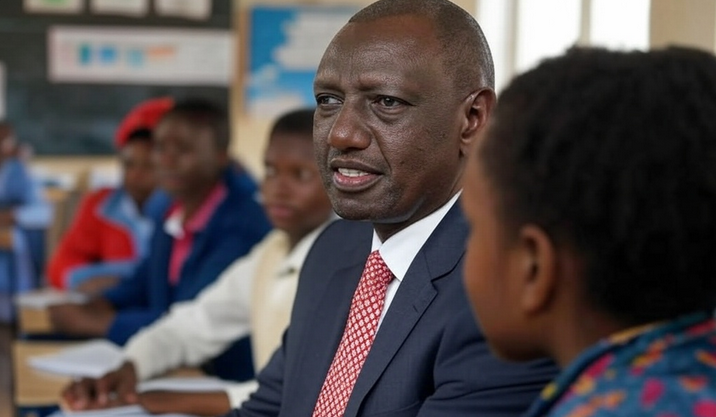
The unrest and transport shortage also hit the education sector. Fearful of safety risks and stranded children, numerous institutions suspended learning.
“Most schools around the city also remained closed, with learners advised to stay at home due to safety concerns linked to the continued transport disruption,” the Kenya Red Cross stated, adding that it is actively monitoring the situation across the country.
Operators Dig In Despite Government Pressure
The economic standoff stems from severe frustration among transport stakeholders over skyrocketing fuel prices, which operators argue have made the transport business entirely unsustainable.
Monday’s initial protests saw fare spikes and widespread gridlock as operators withdrew their fleets. While the government attempted to defuse the crisis with a minor mid-cycle price reduction on Monday evening, transport leadership has flatly rejected the concession.
The Matatu Owners Association (MOA) reaffirmed that the boycott will continue until the state introduces substantial fiscal reliefs on fuel taxation. MOA President Albert Karagacha emphasized that the industry would not back down, stating that the current fuel prices and aggressive taxation policies are devastating both transport investments and ordinary Kenyans.