
PS Omollo Speaks on Protests, Police and 2027 Security
Kenya’s security conversation is slowly changing from dramatic press conferences to harder questions:
Are police reforms actually happening?
Is the country prepared for the politics of 2027?
And after months of protests, public anger and accusations flying from every direction, can the government rebuild trust around security operations?
Those are some of the issues Interior PS Raymond Omollo attempted to address during his latest national TV interview.
Appearing on Citizen TV’s The Explainer, Omollo discussed police recruitment, protest management, public order and the government’s broader internal security strategy as political temperatures continue rising ahead of the next General Election.
One of the clearest signals from the interview was the government’s focus on expanding police capacity before 2027.
According to Omollo, the state plans to recruit about 20,000 police officers as part of wider reforms aimed at improving operational readiness and strengthening security coverage across the country.
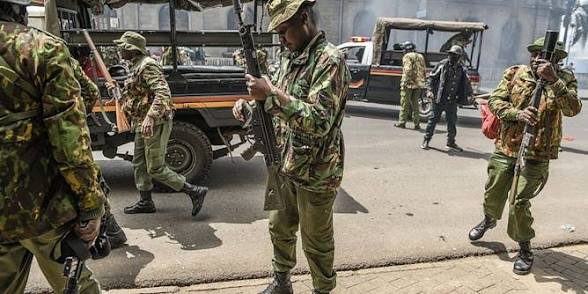
The recruitment push comes at a time when the National Police Service continues facing scrutiny over crowd control, public trust and handling of demonstrations.
Omollo also defended the government’s response to recent anti-government protests, arguing that criminal groups infiltrated otherwise legitimate demonstrations.
He said security agencies had intelligence showing that some individuals involved in the protests engaged in looting, destruction of property and organised disruption.
The PS dismissed claims that the state sponsored criminal gangs to attack demonstrators and opposition supporters, maintaining that such allegations should be backed by evidence and pursued through the proper legal channels.
On growing calls for his resignation following criticism directed at the Interior Ministry, Omollo maintained that ongoing reforms and security operations would continue within constitutional and institutional frameworks.
The interview also highlighted the government’s push for increased funding to support reforms within the police service.
Omollo revealed that the state is seeking parliamentary approval for additional resources aimed at modernising operations and strengthening institutional capacity.
The conversation reflects the pressure currently facing the Interior Ministry as it tries to balance public order, political tensions, accountability demands and long-term security reforms at a time when national politics is already beginning to shift toward 2027.