
Inside Ruto’s Coast Tour: Housing, Power and Urban Growth
For a long time, development conversations at the Coast have mostly revolved around tourism, ports and beaches.
But quietly, another conversation has been growing underneath all that: housing, power and urban pressure.
The question emerges, of whether the region’s infrastructure is keeping pace with its population and economic importance.
That partly explains the focus of President William Ruto’s latest working tour across Mombasa and Kilifi counties.
In Mombasa, the government announced a Ksh31 Billion investment targeting the construction of about 10,000 affordable housing units.
This is part of a broader push to address urban housing demand in one of Kenya’s most densely populated counties.
The President also laid the foundation stone for the Makupa Affordable Housing Project alongside the Makupa Modern Market in Mvita Constituency, a project valued at approximately Ksh600 Million.
The housing programme is expected to support not only home ownership, but also jobs within construction, transport, supply chains and small businesses that emerge around new urban settlements.
At the same time, the modern market project signals continued investment in formal trading spaces designed to accommodate growing urban biashara while improving working conditions for traders.
But beyond housing and markets, energy infrastructure formed a major part of the tour.
In Kilifi County, President Ruto commissioned the 400/220kV Mariakani Sub-Station, a Ksh3 Billion investment.
This project is expected to improve electricity reliability and grid stability across Kilifi and surrounding areas, including the strategically important Dongo Kundu Special Economic Zone.
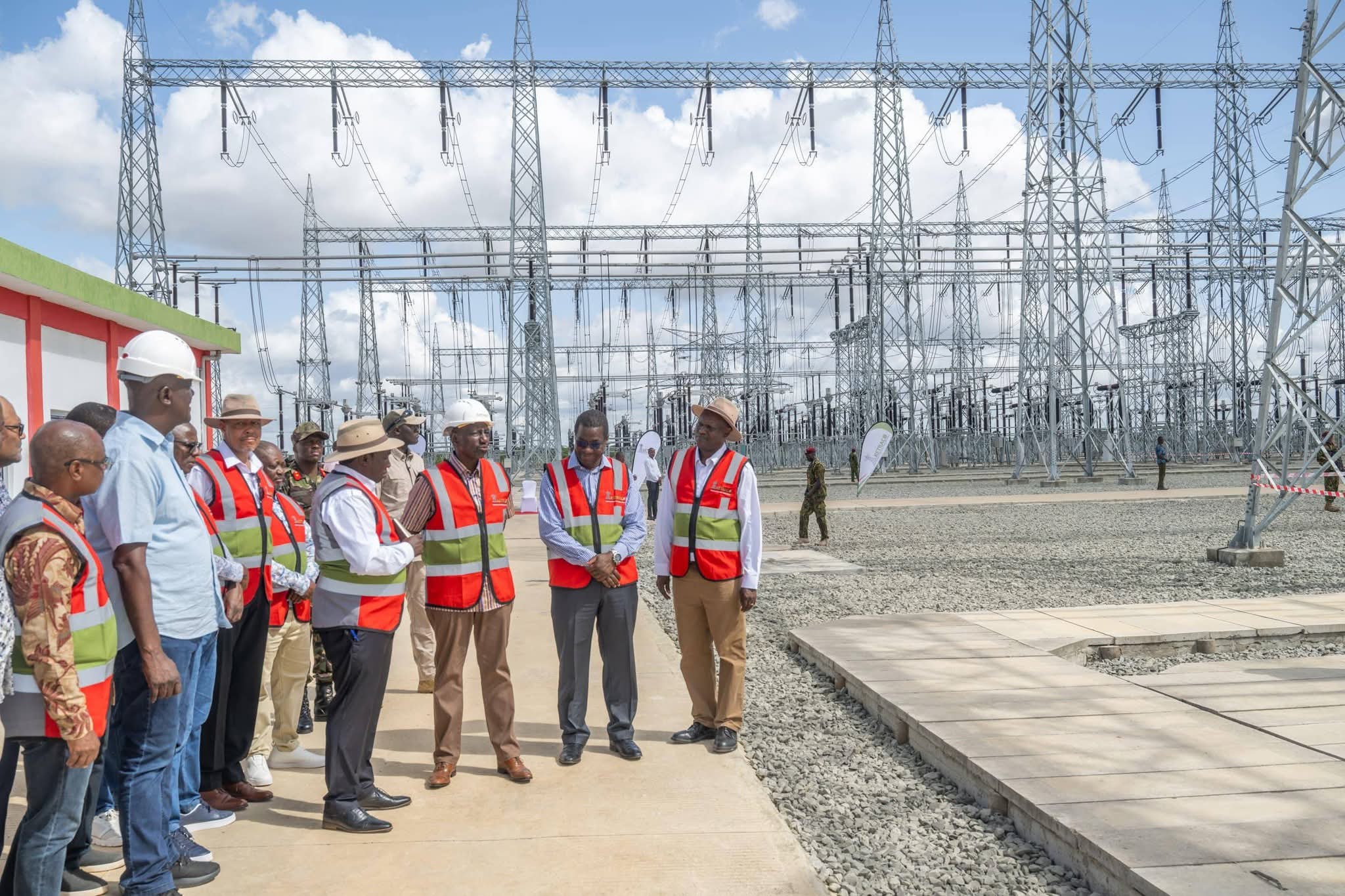
The sub-station is particularly significant because power stability remains one of the biggest requirements for industrial growth, manufacturing, logistics, and large-scale investment.
Without reliable electricity, industrial zones struggle to attract serious investors regardless of location advantages.
The government also flagged off the Last Mile Connectivity Project in Mariakani, targeting electricity access for more than 24,000 homes this year at a cost of Ksh2.5 Billion.
That expansion matters beyond lighting alone.
In many growing towns and peri-urban areas, electricity access directly affects small businesses, refrigeration, digital work, security, education and household productivity.
Taken together, the projects launched during the Coast tour reflect a broader infrastructure pattern currently unfolding across several counties: housing expansion, market modernisation and energy investment.
Collectively, these are attempts to prepare regions for larger economic activity in the years ahead.
And increasingly, the bigger story is no longer just about building projects.
It’s about whether counties outside Nairobi are developing the systems needed to support long-term urban and industrial growth.