Bloodshed In Nanyuki: Two Protesters Shot Dead Amid Standoff Over US Ebola Base
Image: Protesters light tyres to block a major road in Nairobi on July 7th 2025 (Image: Files)A volatile standoff over the state’s controversial biological defense deal with Washington turned fatal after at least two people were confirmed killed during mass protests in Nanyuki town on Madaraka Day.
The fatalities, which occurred on Monday, June 1, 2026, were formally confirmed on Tuesday morning by demonstration organizer Patrick Wahome and an independent military intelligence source. The deaths mark a dangerous escalation in the domestic crisis surrounding the United States-funded Ebola quarantine and treatment facility at the Laikipia Air Base.
Chaos on the Streets and Military Intervention
The demonstrations erupted at 7:00 AM on Monday, paralyzing Nanyuki as hundreds of residents, youth groups, and environmental activists marched through the streets waving placards, chanting anti-government slogans, and carrying tree branches.
The situation turned violent when the marchers advanced toward the high-security military installation, demanding the immediate evacuation of the site. Protesters erected burning barricades across major transit roads, sending thick plumes of black smoke over the town.
When the crowd attempted to breach the outer perimeter of the Laikipia Air Base, heavily armed military personnel were deployed to reinforce the gates, resulting in a tense, two-hour standoff. While eyewitness accounts and digital video footage captured security forces firing live ammunition into the air and teargas into the crowds, the National Police Service (NPS) has maintained a tight-lipped silence, failing to issue an official statement on the exact circumstances of the two deaths.
To regain control, a combined force of military and regular police units launched a sweeping operations sweep through the Likii area at 7:00 PM, forcibly clearing the streets and escorting residents back to their homes under a localized lockdown.
June 9 Ultimatum Issued to the State
Organizers of the demonstration have refused to back down despite the lethal use of force, issuing a rigid deadline to the executive branch.
“We are demanding the complete and unconditional closure of that facility by June 9, 2026,” protest organizer Patrick Wahome declared. “We will not allow our town to become a dumping ground for lethal pathogens just to please a foreign superpower.”
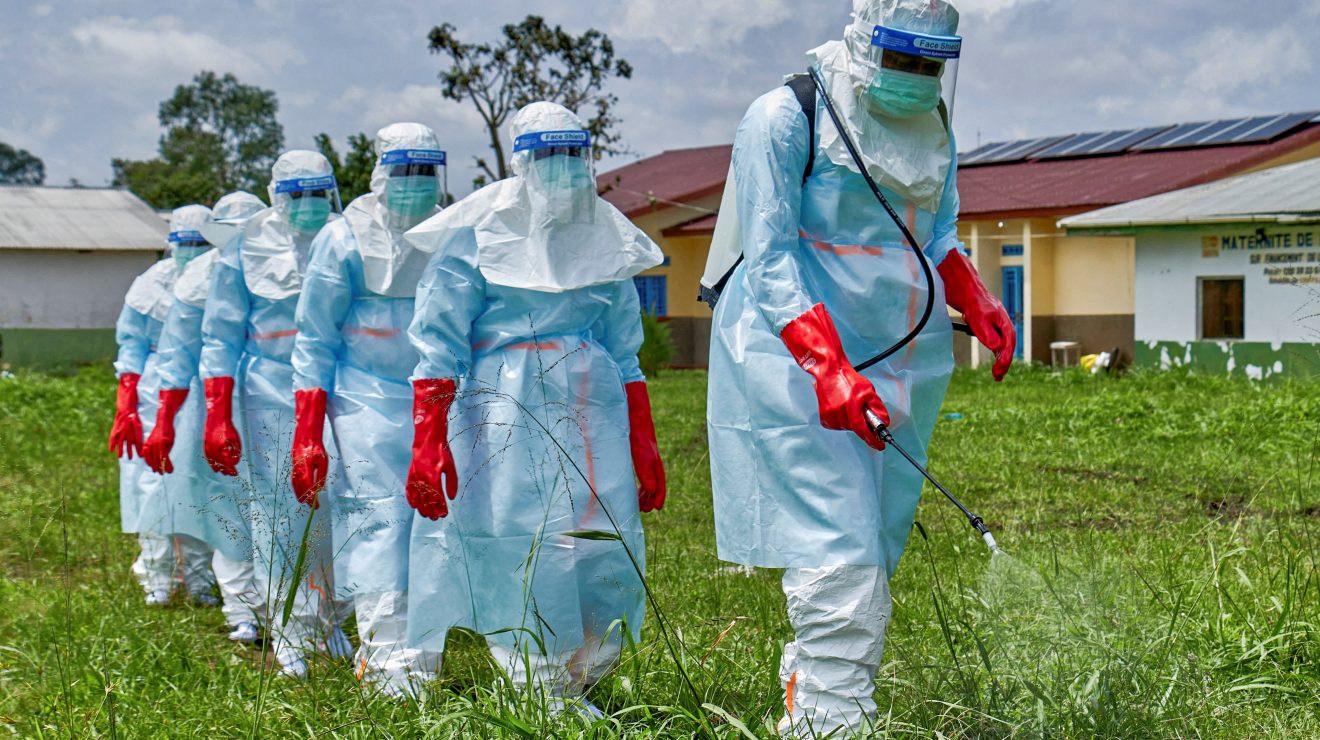
Local anxieties have been exacerbated by revelations that the United States has already deployed a specialized biological response team to Kenya. The American unit is tasked with managing the logistics, monitoring, and clinical quarantine of U.S. citizens exposed to the lethal Bundibugyo Ebola strain while operating in the war-torn Democratic Republic of Congo (DRC).
Judicial Intercession and Presidential Defiance
The bloodshed on the ground coincides with an intensifying institutional battle between the judiciary and the executive:
-
The High Court’s Freeze: The High Court in Nairobi has extended its emergency conservatory orders, completely freezing the bilateral agreement and barring the transfer of any Ebola patients into Kenya, pending a full constitutional hearing of the petition filed by the Katiba Institute.
-
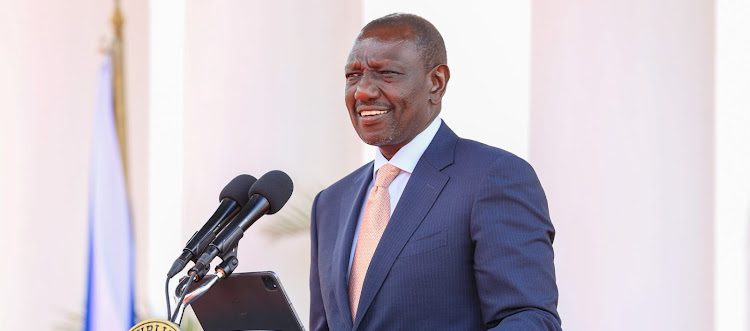
The President’s Defense: Conversely, President William Ruto has dug in his heels, publicly defending the deal as a “mutual agreement between friends.” The Head of State insisted that the Laikipia facility is merely one of 23 national isolation centers aimed at boosting Kenya’s epidemic readiness, dismissing the local protests and judicial resistance as reckless political theater.
With the High Court scheduled to hear inter-partes arguments later this week, the deaths of the two protesters have turned Nanyuki into a political powder keg, pitting local biosecurity fears against the state’s multi-billion shilling diplomatic obligations to the Trump administration.