Oburu Odinga Reacts After Missing State House Invitation, Invokes Raila’s Legacy
Siaya Senator and ODM elder Dr. Oburu Odinga injected a lighthearted moment into an otherwise tense high-level State House function on human rights after playfully complaining that he had been left off the official guest list.
Speaking during the summit on Monday, June 15, 2026—which drew senior government officials, human rights stakeholders, and top political leaders—Oburu revealed that he had to practically gatecrash the event due to a breakdown in official protocol communication.
“I Was Not Properly Invited”
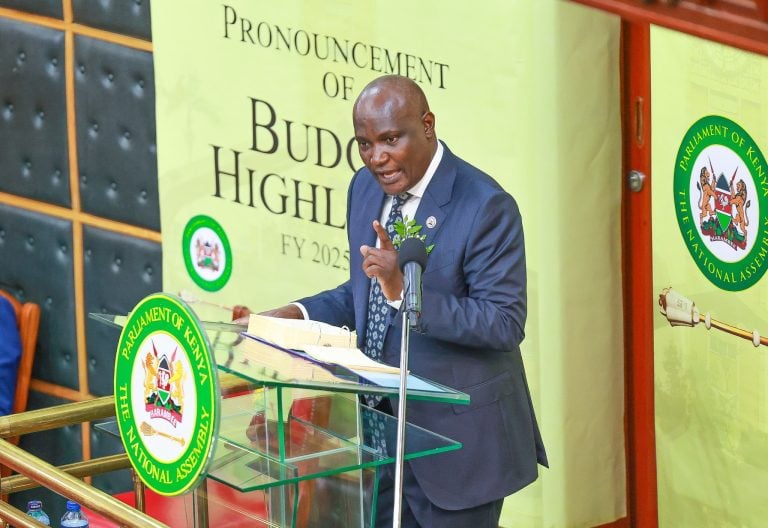
Taking to the podium, the veteran politician drew prolonged laughter from President William Ruto and the gathered delegates by directly calling out the organizers for their administrative oversight, though he quickly added that he bore no hard feelings.
“First of all, Your Excellency, I would like to say that I was not properly prepared for this occasion. This is because I don’t know why I was not properly invited to the occasion, but I don’t want to complain,” Oburu quipped, instantly easing the stiff, formal atmosphere of the State House meeting.
In the Absence of the AU Chief
Oburu went on to suggest that the protocol hitch may have happened because his brother, former Prime Minister Raila Odinga, was away on continental duty. He noted that Raila’s lifelong dedication to civil liberties historically made him an automatic headline invitee for any national democracy forum.
“I think it is because my brother is not there,” Oburu stated, referencing Raila’s deployment at the African Union. “If he were there, I’m very sure he would have been the first to be invited to this occasion because he held human rights very dearly to his heart, and he fought for them. He fought for it for most of his life and was dedicated to fighting for human rights and the liberation of our country.”
Pushing for the Right to Picket: “Notice, Not Permits”
Shifting from humor to serious policy reform, the ODM stalwart used the executive platform to demand a complete overhaul in how law enforcement manages public demonstrations across Kenya.
Addressing the recent judicial and security debates surrounding police handling of protests, Oburu argued that the state must transition away from a restrictive “permit system” and instead embrace a collaborative containment model.
-
The Notification System: Protesters should only be legally required to notify the police of their itinerary, rather than begging for state authorization.
-
State-Provided Security: Law enforcement’s primary role should be providing security corridors for pre-mapped routes.
-
Time-Bound Directives: Demonstrators must clearly outline their operational hours to minimize economic disruption.
“Just notice, do not apply for a permit,” Oburu firmly advocated. “You give them notice, and they provide you with security, and you state exactly where you want to demonstrate, from what time to what time, so that security can be provided for you.”
Oburu concluded by stating that replacing bureaucratic permits with clear, transparent notices would dramatically reduce violent friction between citizens and the National Police Service while fully preserving the integrity of Article 37 of the Constitution.