
Government Proposes Sh3,000 Monthly Stipend for Village Elders
Village elders across Kenya could soon begin receiving a monthly government stipend under a new proposal aimed at formally recognising their role in local administration and community security.
Speaking before the National Assembly Departmental Committee on Administration and Internal Security during scrutiny of the 2026/2027 budget estimates, Interior Principal Secretary Dr. Raymond Omollo said the government plans to allocate a monthly stipend of Sh3,000 to about 110,000 village elders nationwide.
According to the Interior Ministry, the proposal follows years of consultations and development of a policy framework to formally identify and structure village elders within the National Administration system.
“The conversation about village elders began in 2016 and the House actually gave directions to the ministry. It has taken almost 10 years to get us here,” Dr. Omollo told the committee.
If approved by Parliament, the stipend programme will begin in the next financial year, with the government indicating that enough funds have been provisioned to sustain the initiative for most of the financial year.
The ministry also clarified that only village elders not already benefiting from other state support programmes – such as the elderly social protection scheme or Community Health Promoter initiatives – would qualify.
Lawmakers largely welcomed the proposal, describing it as the first serious effort to formally recognise village elders, who have historically worked voluntarily alongside chiefs and assistant chiefs in resolving disputes, mobilising communities, and supporting local security operations.
However, some MPs argued the proposed amount should be increased.
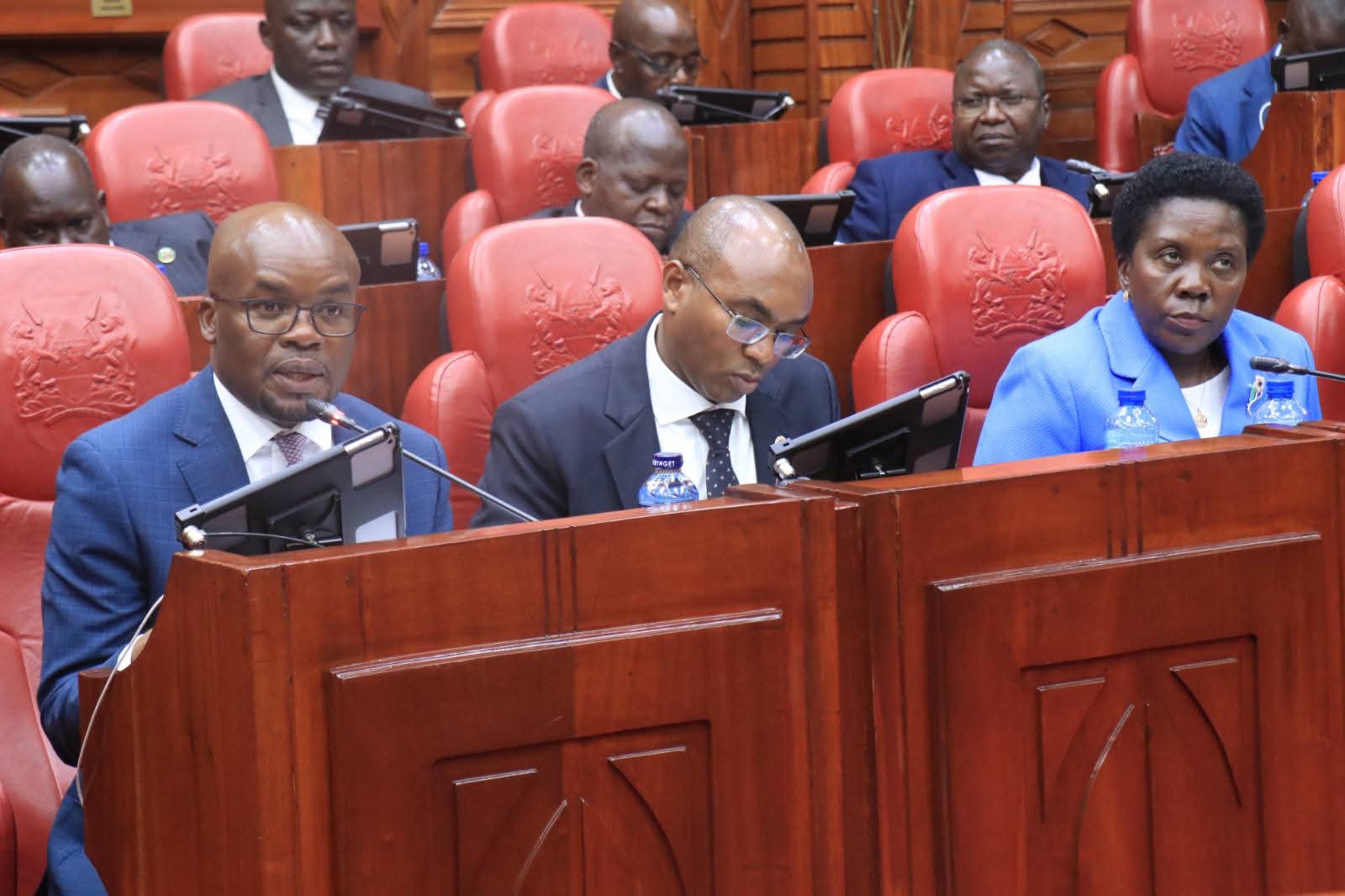
Committee chairperson and Narok West MP Gabriel Tongoyo said village elders deserve facilitation comparable to that offered to Community Health Promoters.
In Teso North MP Oku Kaunya proposed raising the stipend to Sh5,000 if elders are formally anchored within the National Administration structure.
According to MPs, increasing the stipend to Sh5,000 would raise the programme’s annual budget requirement to between Sh5.5 billion and Sh6 billion.
The proposal now awaits further parliamentary consideration as part of the broader budget approval process.
Beyond the stipend itself, the move signals a broader attempt to formally integrate grassroots community structures into national governance and security coordination systems.
This is crucial, particularly in rural areas where village elders often serve as the first point of contact in local disputes, social issues, and community administration.