Natalie Githinji Opens Up On Agony & High Cost Of Endometriosis
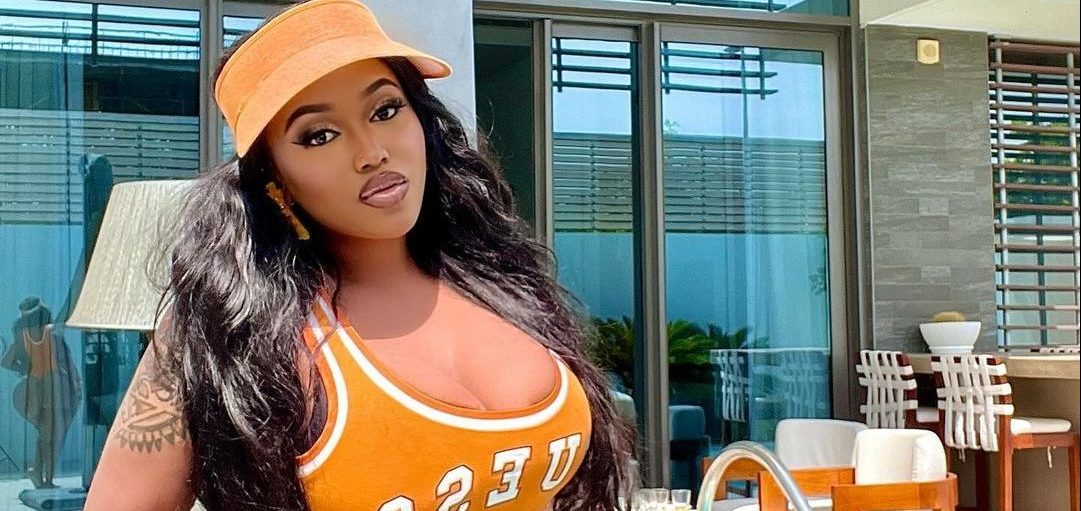
In a raw and deeply moving account, media personality Natalie Githinji has once again used her platform to spotlight the grueling reality of living with endometriosis, an often-misunderstood condition that affects millions of women worldwide. On Tuesday, February 10, 2026, she shared a harrowing description of her latest flare-up via Instagram, likening the sensation to undergoing a major operation on her womb without the relief of painkillers or anesthesia. The pain, she noted, is far from localized; it radiates through her joints, back, and ribs, accompanied by bouts of vomiting and a profound exhaustion that makes even the simplest daily tasks feel like insurmountable hurdles. By detailing these symptoms so vividly, Githinji aimed to break the silence surrounding a condition that is frequently dismissed as “mere cramps,” highlighting instead a life-altering illness that feels as though her body is being physically broken.
Endometriosis Struggles
Beyond the physical agony, Natalie brought much-needed attention to the stigma and social isolation that define the “Endo Warrior” experience. She described the condition as “embarrassing” due to its unpredictable nature, explaining how sudden flare-ups can derail a woman’s career, education, and social life at a moment’s notice. This invisibility often leaves patients feeling helpless, as they struggle to explain the severity of their pain to an uninformed public. Natalie emphasized that the mental toll is just as significant as the physical one, as the constant threat of a flare-up creates a state of perpetual anxiety and disrupts the normalcy that many take for granted.
READ ALSO; The Long Walk For Change- Eric Omondi Embarks On A 480km Journey To Mombasa
Financial burden
Perhaps the most critical part of her message centered on the steep financial burden of managing the disease. Natalie pointed out that consistent gynecological care, specialized medications, and necessary surgeries are luxuries that many Kenyan women simply cannot afford. She issued a passionate plea to the government and health authorities to intervene, arguing that reproductive healthcare for endometriosis should be made affordable and accessible for every girl, regardless of her economic status. Her advocacy serves as a reminder that for many, the fight against endometriosis is not just a battle against biology, but a struggle against a healthcare system that remains out of reach for those in greatest need.
Despite the “traumatizing” nature of her journey, Natalie concluded her update with a message of resilience and faith. She urged women to prioritize their reproductive health by seeking regular check-ups and knowing their bodies, while encouraging fellow sufferers to keep fighting through the darkest moments. By vowing to continue “pambana na kupigania maisha yangu” (fighting for my life), she has reaffirmed her role as a vital voice for women’s health, turning her personal pain into a public call for empathy, awareness, and systemic change.