The Digital Sentinel- How AI Exposed A Ksh 11 Billion Fraud Scheme Within SHA
In a startling disclosure that underscores the deep-seated challenges within Kenya’s healthcare financing, Health Cabinet Secretary Aden Duale has confirmed that an estimated Ksh 11 billion in Social Health Authority (SHA) funds has been flagged as “unaccounted for” due to systematic fraud. Appearing before a parliamentary committee on January 28, 2026, Duale explained that this massive loss—occurring in just the first six months of the system’s operation—was only averted because the SHA’s new AI-driven fraud detection engine automatically rejected the suspicious claims.
The Cabinet Secretary’s testimony painted a picture of a medical sector still grappling with the “ghosts” of the now-defunct NHIF, as many facilities that previously defrauded the old fund allegedly attempted to exploit the new digital framework. The fraud engine revealed a series of medical “miracles” that defied both logic and international health standards. Perhaps most glaring was the trend of private hospitals reporting 100 percent Caesarean section (C-section) rates. While the World Health Organization (WHO) benchmarks typical C-section rates at 10–15 percent, one facility in Tharaka Nithi County submitted claims for 500 deliveries, every single one of which was supposedly a surgical procedure.
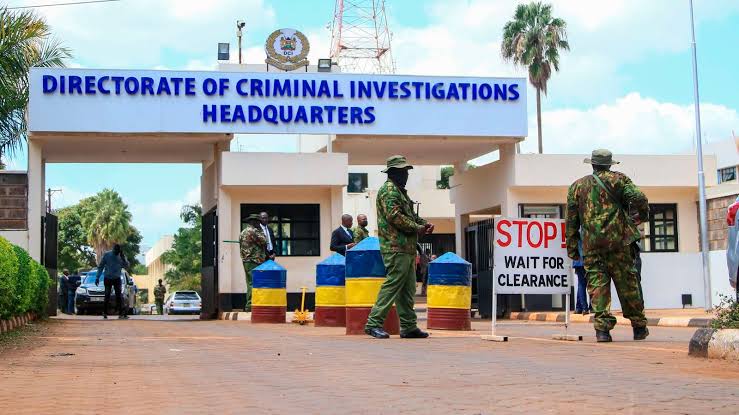
The manipulation extended beyond inflated clinical procedures into the realm of identity theft and “ghost” billing. In one of the most extreme cases highlighted, an individual in Kwale County managed to register 381 dependent children under a single SHA account, a matter that has now been escalated to the Directorate of Criminal Investigations (DCI). Furthermore, the AI system detected “ghost patients” in some counties who appeared to visit primary healthcare facilities as many as ten times in a single day, a coordinated effort likely aimed at artificially inflating government capitation payments.
Beyond high-tech anomalies, the investigation uncovered surprisingly low-tech forgeries. Audit teams found stacks of claim forms filled out in a single individual’s handwriting using the same pen, despite the legal requirement for unique signatures from patients, attending doctors, and hospital administrators. Many maternity claims were also submitted without the mandatory birth notification documents, which are legally required for any hospital birth. Additionally, some healthcare workers were found to have registered themselves as fake patients to generate a stream of fraudulent claims.
The fallout of these findings has created a significant rift between the Ministry of Health and private healthcare providers. While the Ministry claims to have successfully disbursed over Ksh 11.4 billion to hospitals since the SHA rollout, the Rural and Urban Private Hospitals Association (RUPHA) insists its members are still owed a staggering Ksh 76 billion. In response to this discrepancy, the SHA has issued a strict 15-day ultimatum for hospitals to account for Ksh 3 billion in flagged claims that are currently sitting in limbo due to missing documentation or suspected foul play.
Adding a layer of complexity to the situation is a report from Auditor General Nancy Gathungu, which raised concerns over the ownership and control of the Ksh 104 billion SHA system. The report indicates that the platform is currently managed by a private consortium allegedly linked to an Indian firm, meaning the Kenyan government does not yet have full ownership of the technology it relies on to collect roughly Ksh 11 billion in annual contributions. Despite these structural concerns, Duale remains firm on the system’s effectiveness, noting that its real-time capabilities are the only thing standing between the public purse and a repeat of the massive losses that plagued the previous health insurance regime.