
Turning Hustles to Enterprises: Why MSMEs Hold the Key to Kenya’s Economic Future
By the time most alarm clocks ring, someone in Kenya has already made their first sale.
A tea vendor has served commuters at the bus stage, a mechanic is opening his garage and Mama Mboga is arranging tomatoes on her wooden stall.
Individually, they may look like ordinary hustles.
Collectively, they form Kenya’s Micro, Small and Medium Enterprises (MSMEs) sector – the engine room of the economy and one of the country’s biggest employers.
On World MSME Day, the government used the occasion to outline a series of reforms aimed at making it easier for small businesses to start, access capital, formalise operations, and grow.
The numbers tell an interesting story.
The cost of registering a company has reportedly fallen from about Ksh50,000 to approximately Ksh11,000, lowering one of the barriers that has traditionally kept many small enterprises in the informal economy.
Access to credit has also been a major focus.
According to government figures, the Hustler Fund has disbursed nearly Ksh90 billion to more than 27 million Kenyans, while mobilising over KSh6 billion in savings from citizens who were previously outside the formal banking system.
Another intervention has been the removal of over eight million Kenyans from negative CRB listings.
The CRB removal has potentially reopened doors to formal credit for many entrepreneurs who had been locked out of borrowing.
For young people, the NYOTA programme has so far equipped around 800,000 youths with skills, mentorship and start-up capital, targeting the transition from job seekers to business owners.
Beyond financing, the reforms are increasingly focused on building systems that help businesses grow.
Enterprise clusters in sectors such as leather, textiles, dairy and edible oils are being expanded under the Kenya Jobs and Economic Transformation Programme.
At the same time, Kenya Industrial Estates is being re-engineered to strengthen manufacturing among small businesses and help raise the sector’s contribution to GDP to 20 per cent by 2030.
Physical infrastructure has also become part of the conversation.
The government says nearly 500 modern markets have either been built or are under construction, many equipped with cold storage facilities and internet connectivity.
For traders dealing in agricultural produce and perishable goods, such facilities can mean reduced losses and longer selling windows.
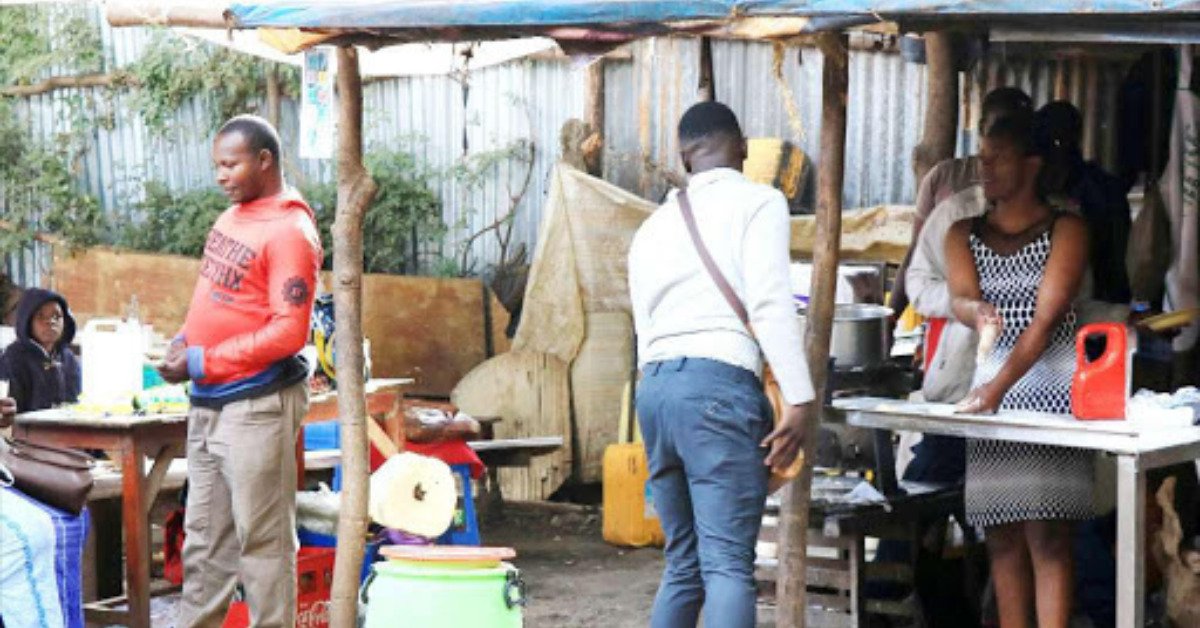
Meanwhile, the Affordable Housing Programme has created opportunities valued at around Ksh60 billion for more than 33,000 Jua Kali artisans, linking informal sector skills directly to large-scale construction projects.
Taken together, these initiatives point to a bigger economic question:
How do you turn millions of hustles into millions of sustainable businesses?
Because in many developed economies, prosperity is often built not only on large corporations but also on strong ecosystems of small businesses that can access capital, formal markets, technology and opportunities to grow.
And in Kenya’s case, the story of economic transformation may ultimately be found not only in boardrooms or skyscrapers, but also in the countless small enterprises that open their doors every morning and quietly keep the country moving.