Utumishi Arson Suspects Reveal Their Motives Behind Fatal Fire
The seven students arrested in connection with the catastrophic Utumishi Girls Academy dormitory inferno have confessed to the arson, revealing a toxic mix of exam panic, financial disputes with management, and toxic social media trends as the driving forces behind the tragedy.
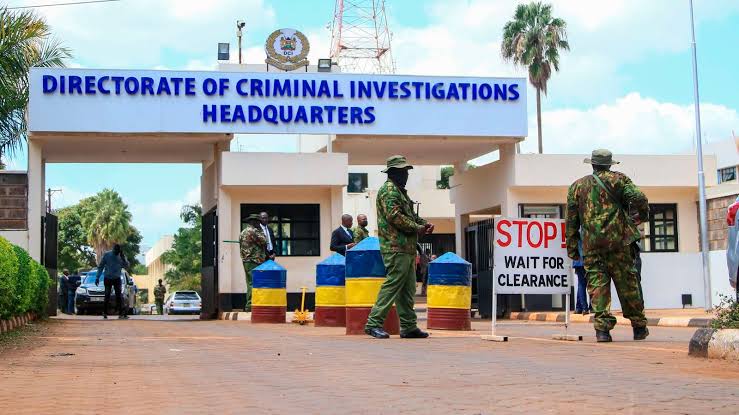
The breakthroughs come as detectives from the Directorate of Criminal Investigations (DCI) piece together the final hours leading up to the midnight blaze that claimed the lives of 16 students and left dozens of others with severe injuries.
A 3-Hour Countdown to Tragedy
According to highly classified interrogation reports, the deadly plot was hatched in a frantic rush. Investigators established that the suspects finalized their arson plan at approximately 9:00 PM on Thursday, May 28, 2026—just three hours before the upper dormitory block was set ablaze at midnight.
Leaked closed-circuit television (CCTV) footage from the school campus showed the seven individuals moving suspiciously around the facility just before the fire erupted. While the suspects admitted to the act, they maintained that their initial plot was not intended to cause casualties.
“The suspects stated that their intention was not to cause harm to anyone,” an investigative source revealed. “They claimed they only wanted to burn down the building as a radical way to express their anger toward the administration.”
The Three Core Motives Exposed
Detectives have classified the students’ grievances into three primary catalysts that triggered the structural revolt:
-
Sudden Exam Rescheduling: The administration abruptly moved the internal examination timetable forward from June 16 to June 2. This decision reportedly caused massive panic and discontent among Form Four candidates who felt academically unprepared.
-
Forced Cultural Event Levies: Deep-seated friction had been building over a directive from the principal’s office forcing students to financially shoulder the costs of an upcoming school cultural event—an annual function that had historically been fully funded by the institution.
-
The “Copycat” Strike Trend: In a disturbing digital twist, the suspects admitted they were highly motivated to torch their own sleeping quarters to match the viral wave of school strikes that have disrupted secondary institutions across Kenya over the past fortnight.
Homicide detectives are now aggressively pursuing leads to uncover how the minors managed to smuggle kerosene into the secure military-sponsored school, with several non-teaching staff members being investigated for possible collusion.
State Enforces Mandatory CCTV and 10-Day Safety Audits
The chilling confessions have forced an aggressive, multi-ministerial crackdown on school safety protocols.
Interior Cabinet Secretary Kipchumba Murkomen has issued a strict national directive mandating all boarding institutions to immediately install high-definition CCTV surveillance networks across all common areas, exits, and perimeters to proactively monitor rogue student behavior.
Concurrently, Education Cabinet Secretary Julius Ogamba has launched an emergency, nationwide security sweep.
“We have ordered a fresh round of rigorous inspections across every single boarding school in Kenya, to be completed within 10 days,” CS Ogamba announced. “Any institution found violating basic safety standards or locking dormitory emergency doors will face immediate closure, and the administrators will be prosecuted.”
The rapid inspections will prioritize sleeping quarters, following a comprehensive crime report from the Interior Ministry indicating that nearly 90% of malicious school arsons in Kenya explicitly target packed student dormitories.