“We Are Risking A Return To 2007” -Uhuru Breaks Silence To Warn Against Rising Politics Of Division
Former President Uhuru Kenyatta has issued a scathing warning against the resurgence of tribal profiling and divisive politics, reminding current leaders that hateful rhetoric could easily plunge Kenya back into the catastrophic ethnic violence witnessed in 2007.
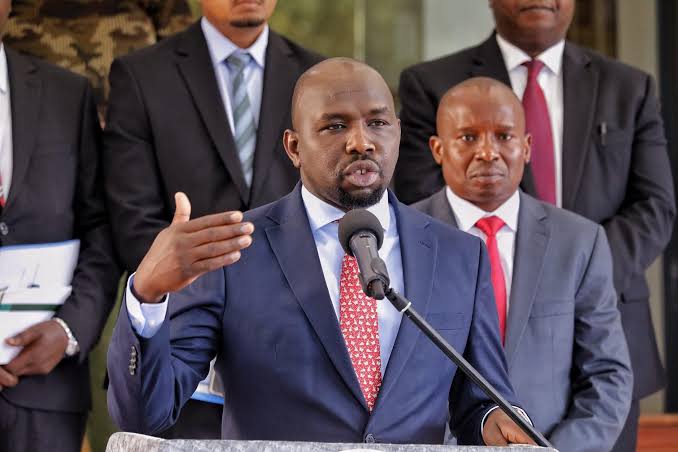
Speaking on Monday, May 25, 2026, at the Kiambu Golf Club during a high-profile meeting with Jubilee Party delegates, the retired Head of State broke his political silence to address both the country’s turbulent governance landscape and the relentless battle for the control of his political party.
“Our Troubles Were Brought to Us”
Addressing the internal fractures that have plagued the Jubilee Party since he handed over the reigns of state power, Uhuru fiercely defended his record, claiming that the endless leadership squangles were externally sponsored to destabilize his camp.
He revealed that his prolonged stay at the helm of the party was entirely against his original plans, explaining that state-backed court battles over party ownership forced him to hold on to the chairmanship.
“Tumekuwa na matatizo nyingi kwa chama chetu, lakini matatizo yetu ni matatizo ya kuletewa (We have had many problems in our party, but our troubles were brought to us),” Uhuru asserted. “Hadi leo mimi bado nashikilia uongozi wa chama kwa sababu walinizuia… ningekuwa nimewaachia kitambo (Until today, I still hold the party leadership because they blocked me… I would have handed it over a long time ago).”
Undeterred by the judicial gridlock, the former President announced a massive grassroots re-registration drive to completely reorganize the party from the constituency level up, promising a free, fair, and democratic internal election to usher in a new generation of leaders.
A Stark Warning on the Ghosts of 2007
Turning his attention to national cohesion, Uhuru expressed grave concern over what he termed as unchecked “politics of division” being peddled by senior government figures, often in the presence of top national leadership without any public condemnation.
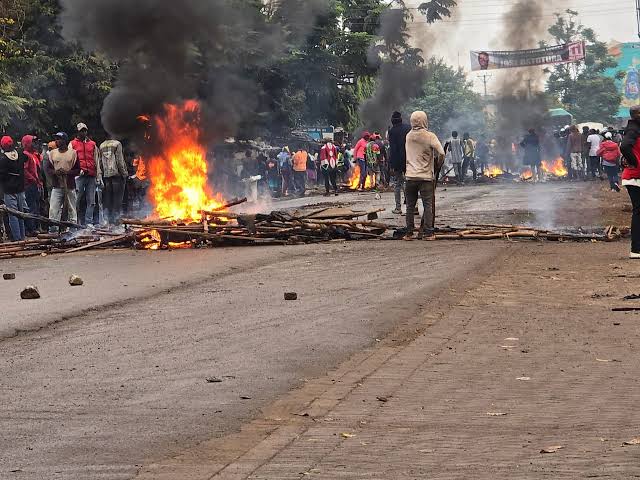
He drew a chilling parallel between the current political environment and the prelude to the 2007/2008 post-election violence, where reckless political declarations ultimately sparked nationwide bloodshed.
“Tumeanza kuona wengine wakianza siasa ya mgawanyiko… wakiongea mbele ya viongozi wa nchi, na hakuna mtu anasimama kuwaambia (We have started seeing others engaging in divisive politics… speaking right in front of the country’s top leaders, and no one stands up to tell them off),” the former President lamented. “Tusipoambiana ukweli tutarudia makosa… ya mwisho tuliona 2007, na ilianza kwa maneno watu wanaongea (If we don’t tell each other the truth, we will repeat past mistakes… the last time we saw this was in 2007, and it all started with the words people spoke).”
Focus on the Cost of Living, Not Division
Reaffirming that Jubilee remains a national movement rather than a regional faction, Uhuru called on the political class to cease using intimidation and discrimination as tools to consolidate regional voting blocs.
He urged the administration to read the room, stating that ordinary Kenyans are not angry because of political alignment, but are pushed to the brink by punitive economic pressures and the skyrocketing cost of living—realities that the government must unite to solve rather than distract citizens with ethnic balkanization.