
Why KWS Wants to Move Nairobi Animal Orphanage
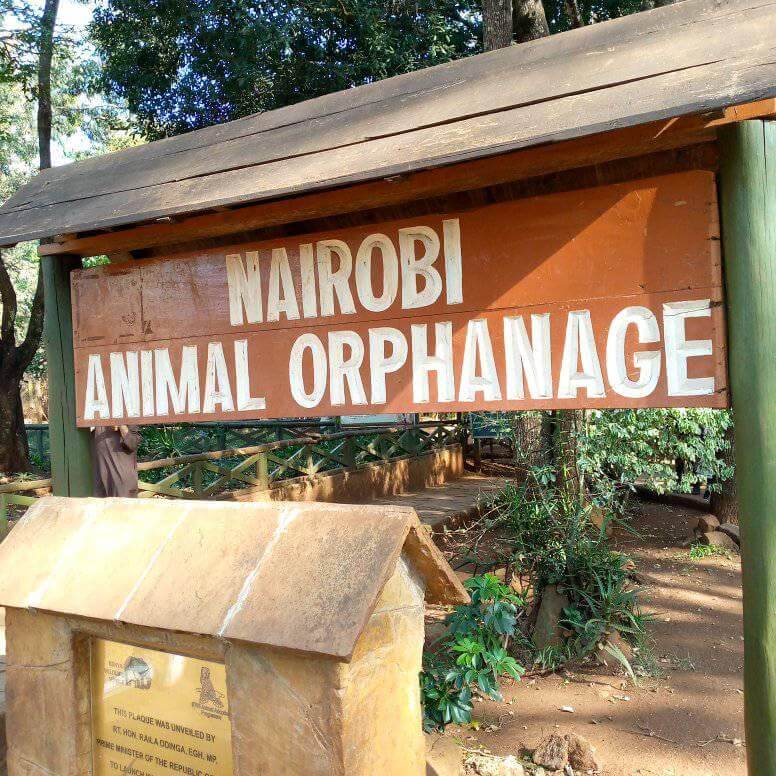
For most Kenyans, most memorable childhood moments happened around the Nairobi Animal Orphanage.
Families and the annual school trips almost always had a visit here. Generations have grown up seeing rescued lions, cheetahs, monkeys and other wildlife housed within its grounds inside Nairobi National Park.
But what many people may not know is that the facility was established in 1964 – more than six decades ago.
Today, Kenya Wildlife Service (KWS) says the orphanage is carrying a much bigger responsibility than it was originally designed for.
This has prompted plans for a major relocation and upgrade aimed at improving wildlife rescue, rehabilitation and conservation education.
According to KWS, the current orphanage sits on 7.4 acres, while the proposed new facility will occupy 89 acres, representing just 0.31% of Nairobi National Park’s land area, which covers approximately 28,911 acres.
The agency argues that the expansion is being driven by growing demand.
Over the years, the number of injured, orphaned and confiscated wild animals requiring care has increased, stretching the capacity of the existing facility.
The current setup was largely designed around traditional cage-based holding systems, whereas modern wildlife management increasingly emphasizes rehabilitation, animal welfare and eventual release back into the wild where possible.
The proposed facility is expected to significantly expand veterinary services, quarantine capacity, rehabilitation spaces and animal nurseries.
KWS also plans to create improved conservation education areas targeting schools, universities and the wider public.
At the heart of the project is what KWS describes as a “rescue-to-release” model.
Under this approach, rescued animals would move through a structured process that includes rescue, veterinary assessment, quarantine, rehabilitation and eventual release or long-term care where release is not possible.
The project has also generated public debate, particularly around concerns about land use within Nairobi National Park.
In response, KWS maintains that no park land is being lost, noting that the proposed site remains part of Nairobi National Park and will continue serving conservation purposes.
The agency further states that the project is not a commercial development but a wildlife rescue, welfare and education facility that will remain open to the public.
KWS also says the project underwent an Environmental Impact Assessment and received the necessary approvals from the National Environment Management Authority (NEMA), alongside public participation processes.
Environmental concerns have equally featured prominently in discussions around the relocation.
According to the project brief, mitigation measures include restricting works to approved areas, restoring sections of the old orphanage site through revegetation, and implementing sustainable water, sanitation and waste management systems.
KWS further states that the proposed site is located on an open grassland area rather than upland forest.
Beyond the immediate debate, the project raises a broader question about how Kenya manages wildlife conservation infrastructure in the future.
As wildlife rescue needs grow and conservation expectations evolve, facilities built decades ago inevitably face pressure to modernise.
The challenge is balancing that expansion with environmental protection, public trust and the long-term conservation goals that make places like Nairobi National Park unique in the first place.
For a country whose wildlife sector remains one of its strongest global assets, the discussion is no longer simply about where animals are housed.
It is increasingly about whether Kenya’s conservation infrastructure is keeping pace with the responsibilities placed upon it.