
Your Daily Ride Could Soon Cost More
What Kenya’s Proposed Ride-Hailing Fare Changes Could Mean for You
Ride-hailing has quietly become one of Kenya’s most important digital industries.
The sector now forms a significant part of the country’s gig economy, which supports about 1.54 million workers.
More than half of Kenyan ride-hailing drivers say the business is their primary source of income, while the market itself is projected to generate approximately Sh7.3 billion in revenue this year.
It is, in many ways, a success story of technology and entrepreneurship.
That is why President William Ruto’s recent directive to the National Transport and Safety Authority (NTSA) to introduce minimum pricing and review per-kilometre rates for ride-hailing services has sparked intense debate.
The Economics of Demand
Ride-hailing operates within a demand-driven marketplace.
Prices play a significant role in determining how often consumers use these services.
When fares rise substantially, customer behaviour often changes.
Some passengers reduce the number of trips they take, while others return to public transport, organise private arrangements, share rides or avoid making non-essential journeys altogether.
This matters because the industry depends heavily on volume.
For many drivers, income is not determined solely by the amount earned from an individual trip.
It is equally influenced by how many trips they complete throughout the day.
A driver who completes fifteen reasonably priced trips may earn more than one who charges higher fares but only secures seven bookings.
The relationship between demand and earnings is therefore more delicate than it first appears.
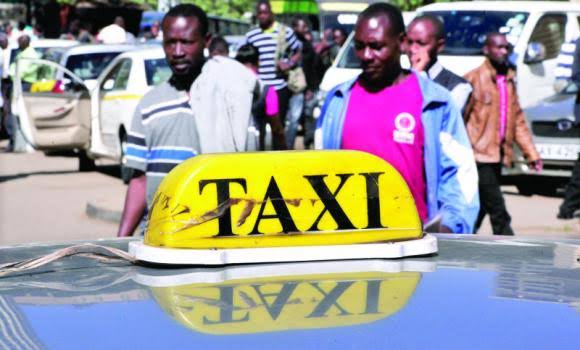
Drivers Could Feel the Most Impact
Ride-hailing’s rapid growth in Kenya has largely been built on accessibility.
The services have become particularly popular among low- and middle-income earners who rely on them for short trips, late-night travel, airport transfers, and journeys to areas where public transport may be inconvenient or unavailable.
If regulated fare increases significantly raise the cost of trips, a portion of these consumers could be priced out of the market.
Fewer bookings lead to longer waiting times between trips and longer idle periods ultimately reduce earning opportunities for drivers.
This is the paradox of price regulation in demand-sensitive industries: higher prices can sometimes result in lower overall incomes.
The concern is particularly relevant in the ride-hailing sector because drivers’ expenses do not disappear when demand slows.
Vehicle financing costs, insurance premiums, maintenance expenses and fuel costs continue to accumulate regardless of how many bookings come through.
As a result, prolonged periods of lower demand could place additional financial pressure on the very drivers the regulation seeks to protect.
A More Nuanced Approach
None of this diminishes the legitimate concerns raised by drivers.
The cost of doing business has risen considerably over the past few years.
Fuel prices, spare parts, vehicle servicing and financing costs have all increased, squeezing margins for many operators.
These challenges deserve policy attention.
However, the assumption that higher prices automatically lead to better outcomes may oversimplify the economics of the sector.
Ride-hailing platforms operate within a highly dynamic ecosystem where demand shifts according to time of day, location, weather conditions, economic circumstances and consumer spending patterns.
Pricing mechanisms have evolved partly because they help balance these factors in real time.
A rigid price floor could unintentionally weaken this balance.
The objective should therefore be to build a sustainable environment where drivers earn fairly while passengers continue to access affordable and reliable transport services.
Ultimately, the health of the ride-hailing industry depends on a simple equation: drivers need passengers, and passengers need prices they can afford.