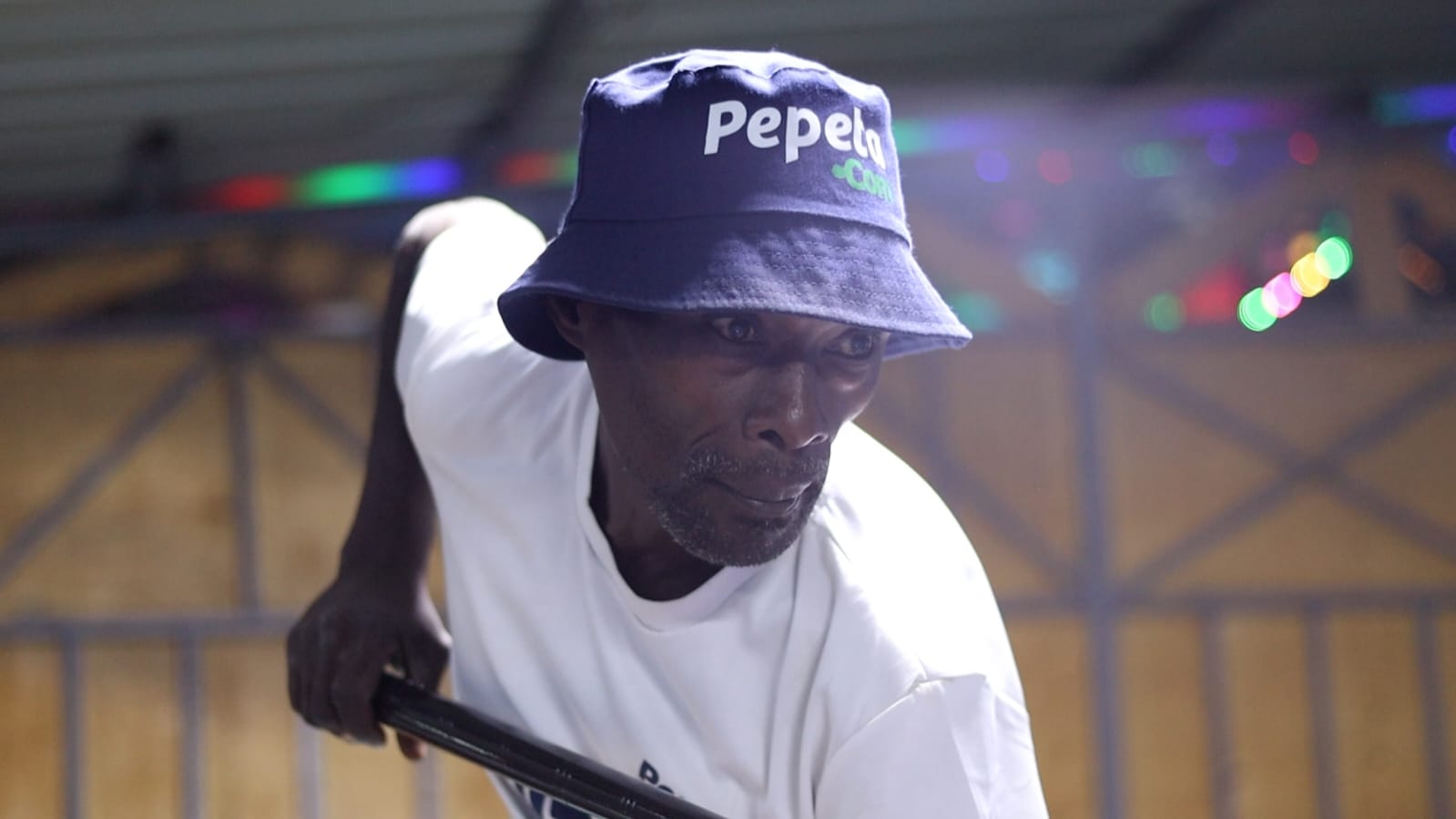
King Kaka Regrets Early Hustle Forging Payslips And Academic Documents
Renowned hip-hop artist and entrepreneur Kennedy Ombima, popularly known as King Kaka, has shocked his fanbase by revealing that he once ran a underground forgery ring, producing fake academic certificates and corporate payslips before finding mainstream success in the music industry.
In a highly reflective video posted on his Instagram account on Monday, June 15, 2026, the Wajinga Nyinyi hitmaker disclosed that the illicit operation took place when he was a struggling 23-year-old graphic designer trying to survive in Nairobi.
“I Got People University Placements and Jobs”
Before his big break in music, King Kaka was already highly skilled in digital design, earning an honest living creating album covers, event posters, and branding materials for local artists. However, looking for higher profit margins, he was eventually introduced to the lucrative world of printing unverified corporate and academic documentation.
With a touch of irony, the rapper described the meticulous precision he poured into the illicit trade to ensure the documents bypassed institutional scrutiny.
“I used to make fake payslips and fake certificates. Original fake certificates,” King Kaka confessed to his followers. “I made a lot of people universities and jobs.”
The corporate executive turned Kaka Empire CEO recalled how desperate individuals would approach him to forge high-quality paperwork, which they subsequently used to manipulate human resource managers and academic registrars. To his surprise, several clients later returned to his studio to thank him after successfully securing employment or gaining admission into major universities using his counterfeit designs.
“Be Legit” — From Forgery to Clean Wealth
Despite the financial relief the dangerous hustle provided him at the time, King Kaka emphasized that he now looks back at that chapter of his life with deep regret. He attributed his past criminal behavior to youthful desperation, peer pressure, and a lack of proper mentorship.
The rapper revealed that he ultimately made a conscious decision to shut down the forgery business and commit himself entirely to a legitimate creative career. Decades later, he is proud to provide for his family using completely transparent, lawful revenue streams.
Closing his raw digital testimony, the father of three issued a stern warning to the current generation of youth who are increasingly tempted by online scams and quick financial shortcuts.
“Don’t be like me when I was young,” the rapper urged. “Be legit.”
By sharing his transition from a backstreet document forger to one of East Africa’s most respected corporate brand ambassadors, King Kaka continues to use his personal life story to advocate for integrity, patience, and hard work among young creatives.