All You Need To Know About Nepal’s Destructive Protests
Nepal has been experiencing a new wave of protests recently, as citizens voice their discontent over government policies, economic hardship, and political decisions. The demonstrations have highlighted deep-seated frustrations and a growing demand for accountability from the country’s leadership.
Protests Against High Taxes and Economic Policies
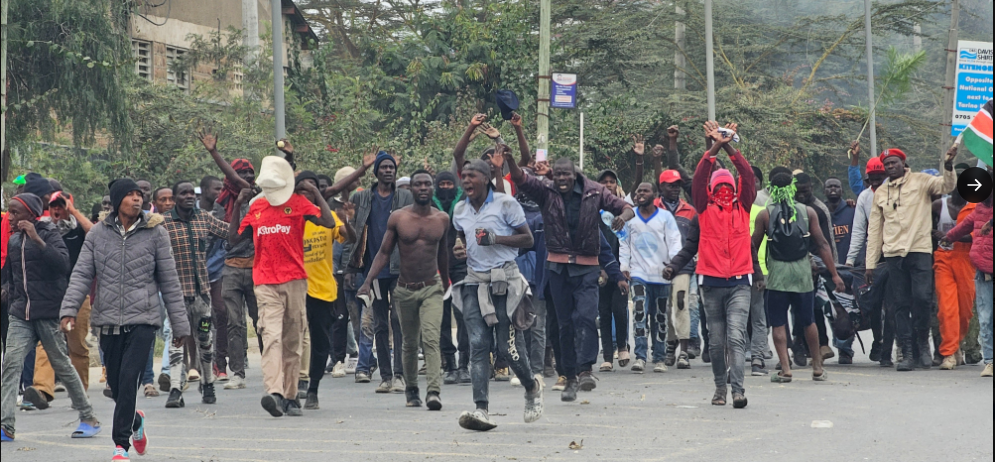
A series of demonstrations erupted in major cities, including Kathmandu, in response to what protesters call burdensome tax policies and rising inflation. The protests have been led by business owners, students, and middle-class citizens who feel that the government’s economic policies are making life unaffordable. The demonstrations have included street marches and sit-ins, with protesters demanding a review of taxes and measures to curb rising prices of essential goods.
The Rise of the “No, Thanks” Campaign
A significant and unique protest movement has emerged online and on the streets, fueled by a campaign known as “No, Thanks” or “Balen Shah’s ‘No, Thanks’ Campaign.” It originated from Kathmandu Mayor Balen Shah’s online posts criticizing the government and what he referred to as its lack of vision. This movement has gained popular support, especially among the youth, who are using social media to express their discontent with corruption and political infighting. The protesters’ message is that they are no longer willing to accept the status quo and demand a new approach to governance.
Demonstrations for Social Justice and Human Rights
Beyond economic issues, there have been a number of protests centered on social justice and human rights. Various groups, including those advocating for LGBTQ+ rights, have taken to the streets to demand legal recognition and protection. These demonstrations reflect a growing push for a more inclusive society and a demand for the government to address the long-standing issues of discrimination and inequality.