Should Kenya Ban Social Media For Under 16’s Like Australia? Lillian Ng’ang’a Weighs In
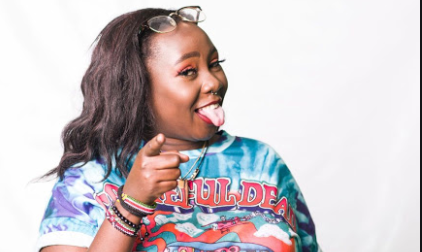
Lillian Ng’ang’a has publicly advocated for Kenya to adopt a policy mirroring Australia’s recent nationwide ban, which restricts children under the age of 16 from using major social media platforms.
On Wednesday, December 10, 2025, Ng’ang’a shared a screenshot of a news item detailing the Australian move, captioning it simply with: “Kenya should do the same.”
Australia became the first country to introduce such a comprehensive ban, announcing that all under-16s are now restricted from accessing platforms including TikTok, X, Facebook, Instagram, YouTube, Snapchat, and Threads. The policy prohibits children from opening new accounts and requires the deactivation of existing accounts belonging to users under the age limit. The government stated the ban is aimed at protecting young people from harmful content and unhealthy online habits.
The Risks Driving the Ban
Lillian Ng’ang’a’s statement echoed the grave concerns raised by parents, educators, and child safety groups across the globe, particularly in light of the findings that motivated the Australian policy.
A study commissioned earlier in 2025 in Australia found that 96% of children aged 10 to 15 were active on social media. The same study revealed disturbing exposure rates, noting that 7 out of 10 children had encountered dangerous material online, including:
- Misogynistic posts.
- Violent content.
- Messages promoting eating disorders and suicide.
Furthermore, the report revealed worrying behavior targeted specifically at minors:
- One in seven children reported experiencing grooming-type behavior from adults or older children.
- More than half of the children reported being victims of cyberbullying.
Design Flaws and Policy Reaction
The Australian government claims the core issue lies in the design of social media platforms, arguing that the apps are specifically engineered to encourage young people to spend long hours on their screens and expose them to harmful content that negatively affects their health and wellbeing.
Lillian Ng’ang’a believes Kenya should consider a similar approach due to these highlighted risks. She noted that the ban is being closely observed by other nations, suggesting its impact may influence future global child protection policies.
While many parents and child advocates have welcomed the move as necessary to protect children from a digital space they are not ready to navigate, major tech companies and free-speech groups have criticized the ban.