Government Defends Fuel Price Surge Amid Planned Strike
The government has mounted a firm defense against growing public outcry following the latest spike in fuel prices, which took effect on Friday, May 15, 2026. The new rates, which will remain in force until mid-June, have pushed pump prices to historic levels across the country.
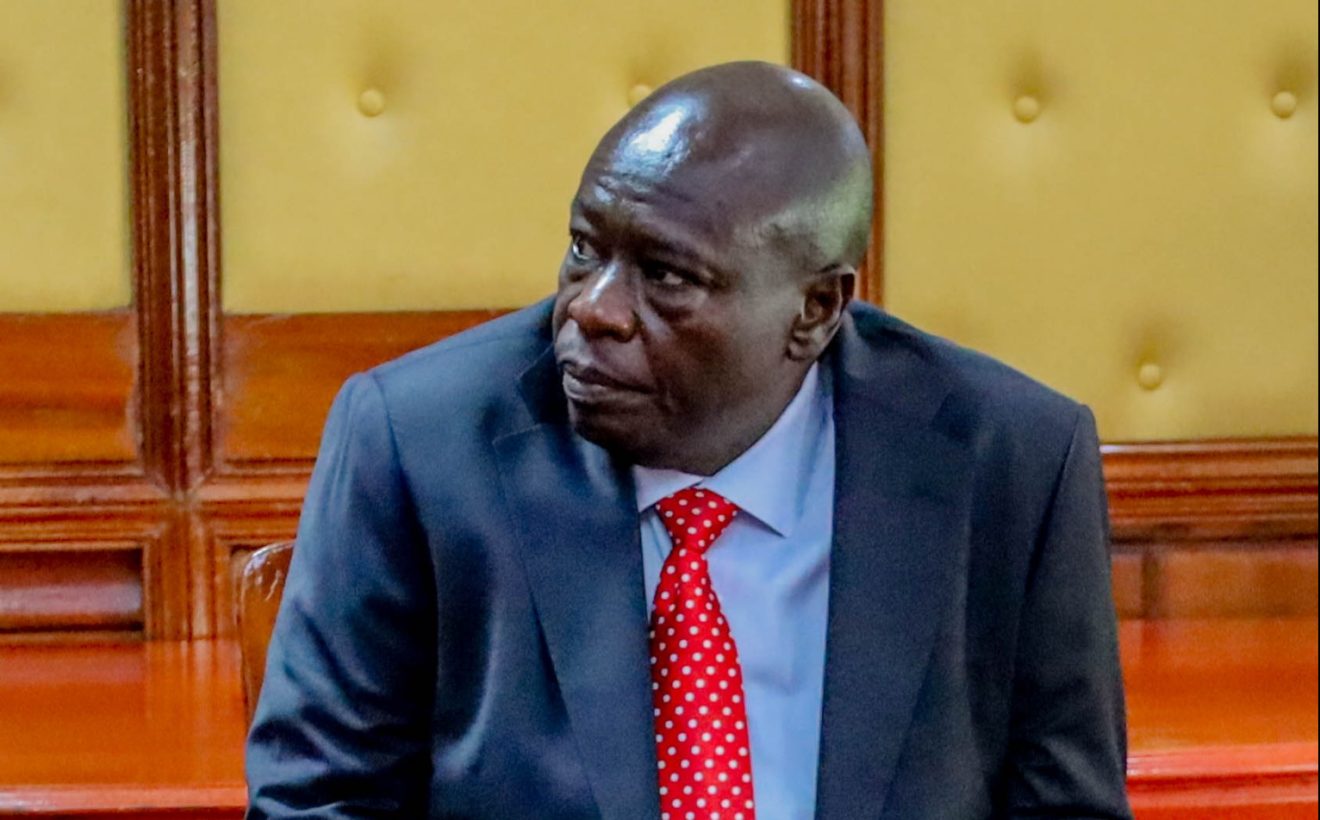
In a detailed statement issued on Friday, Energy and Petroleum Cabinet Secretary Opiyo Wandayi explained that the price adjustments were an unavoidable consequence of sustained volatility in the global oil market. He primarily attributed the surge to the deepening conflict in the Middle East, which has disrupted supply chains and sent shockwaves through international energy hubs.
Global Shocks and Landing Costs
Wandayi emphasized that as a net importer of refined petroleum, Kenya is directly vulnerable to external geopolitical tensions. These regional instabilities have led to higher crude oil prices and significantly elevated freight and insurance costs for shipments arriving at the Port of Mombasa.
The Cabinet Secretary provided a breakdown of the sharp increase in landing costs between March and April 2026:
-
Super Petrol: Increased by 10%, rising from $823.27 to $906.23 per cubic metre.
-
Diesel: Saw a massive 20.32% surge, climbing from $1,073.82 to $1,291.98 per cubic metre.
-
Kerosene: Recorded a marginal increase of 1.59%, moving from $1,311.93 to $1,332.73 per cubic metre.
Defending the Review Process
The CS maintained that the Energy and Petroleum Regulatory Authority (EPRA) conducted the review in strict accordance with the Petroleum Act of 2019. He argued that the adjustments reflect the reality of the international market and the “increased uncertainty” regarding the availability of petroleum products worldwide.
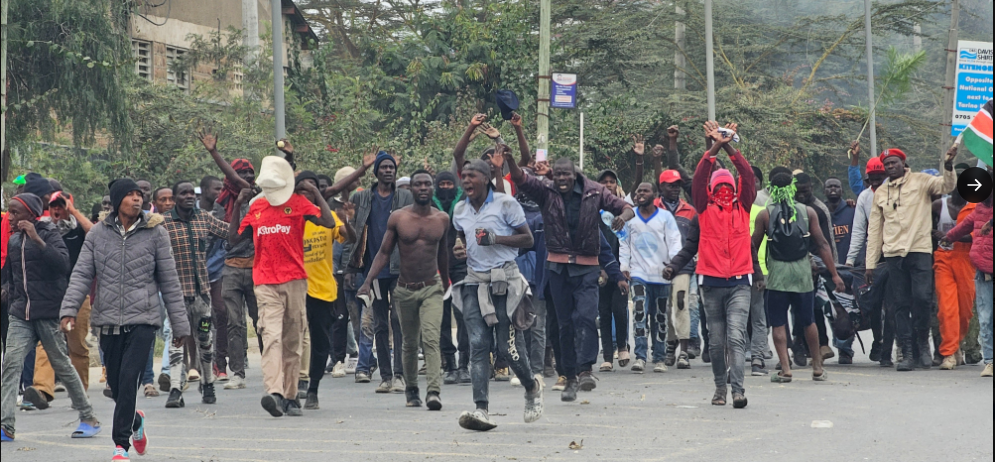
Despite the explanation, the government’s stance comes amid intense pressure from the public and transport stakeholders, who warn that the record-high diesel prices will lead to a sharp rise in the cost of basic goods and services. While the state has deployed a partial subsidy to prevent even higher costs, Wandayi’s statement suggests that further relief may be limited so long as global tensions persist.