EPRA Intervenes To Shield Consumers By Blocking Pipeline Tariffs
Image: Citizens queue for fuel at a petrol station in Kabarnet during a recent shortage (Image: Files)The Energy and Petroleum Regulatory Authority (EPRA) has stepped in to shield motorists from an additional silent surge in pump prices by rejecting a steep transport tariff increase requested by the Kenya Pipeline Company (KPC).
According to a gazette notice released on Friday, May 15, 2026, the energy regulator instead approved a multi-year tariff framework that keeps pipeline transport charges completely flat for the current year, with only marginal adjustments permitted over the next two financial years.
EPRA retained the previous tariff at KSh 5.44 per cubic metre per kilometre for the 2025/2026 cycle. It will then permit a slight rise to KSh 5.53 for the 2026/2027 fiscal year, and cap it at KSh 5.83 for 2027/2028.
EPRA Crushes KPC’s Bid for Steeper Hikes
The regulator’s approved rates fell significantly short of KPC’s ambitious demands. The state corporation had petitioned to immediately hike transport charges to KSh 5.56 per cubic metre per kilometre, with a steady trajectory leading to KSh 6.61 by 2028, arguing the extra revenue was critical to fund major infrastructure overhauls.
Had EPRA granted KPC’s request, the ballooning distribution costs would have been directly factored into depot pricing. This would have driven retail fuel prices even higher for consumers in Nairobi and inland hubs like Nakuru, Eldoret, and Kisumu.
Regional Depot Tariffs Trimmed
Beyond the primary pipeline lines, the regulator also slashed KPC’s proposed regional depot storage and handling fees to ease pressure on oil marketing companies:
-
Nairobi Terminal: KPC wanted KSh 2,912.27 per cubic metre; EPRA capped it at KSh 2,851.80.
-
Kisumu Depot: KPC requested KSh 4,330 per cubic metre; EPRA scaled it back to KSh 4,234.41.
-
Eldoret Depot: KPC requested KSh 4,330 per cubic metre; EPRA restricted it to KSh 4,238.42.
Timing Amid a National Transport Crisis
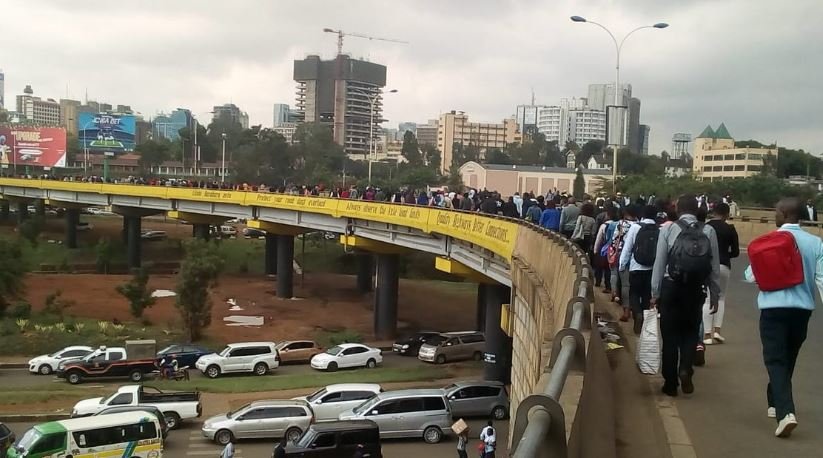
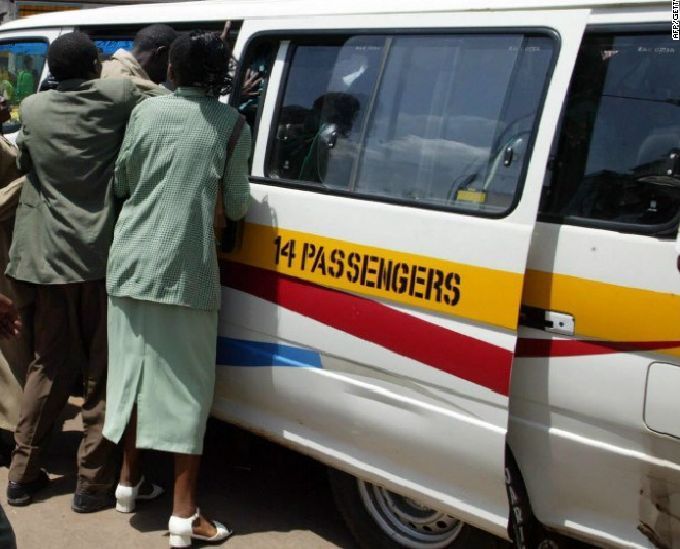
The regulatory pushback comes at a highly volatile moment for the country’s transport sector. Public transport operators have grounded fleets in a nationwide strike that has paralyzed major towns since Monday, May 18.
The transport strike was ignited just a day prior to the gazette notice, when EPRA’s mid-month review sent shockwaves through the economy by spiking Super Petrol by KSh 16.65 and Diesel by a historic KSh 46.29. While the regulatory capping of pipeline tariffs stops further immediate inflation at the pump, it does little to lower the current record-high prices fueling public anger.