Unpacking the 26/27 National Budget: No relief for Kenyans earning less than 30K
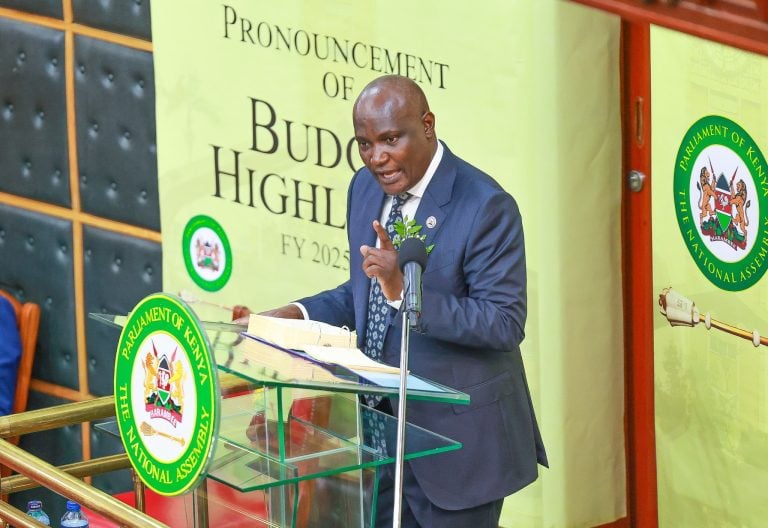
More than one million Kenyan workers had hoped the 2026/2027 budget would bring much-needed tax relief. Instead, Treasury Cabinet Secretary John Mbadi concluded his budget presentation to Parliament without announcing the much-anticipated PAYE exemption for employees earning less than KSh 30,000 per month.
The proposal, which had been publicly supported by both President William Ruto and the National Treasury, was expected to provide relief to low-income earners by exempting them from Pay As You Earn (PAYE) deductions.
Relief Yet to Materialise
Expectations for the tax exemption have been building for months. In February, CS Mbadi indicated that the government was considering the measure, a position later echoed by President Ruto during several public engagements.
However, when the Treasury unveiled the 2026/2027 budget estimates, the proposal was absent, disappointing many workers who had hoped the move would boost their disposable income amid rising living costs.
More than one million formally employed Kenyans fall within the targeted income bracket and stood to benefit from the proposed relief.
Treasury Says Plan Still Alive
Despite the omission from the budget, the Treasury has maintained that the proposal has not been abandoned.
Speaking to journalists shortly after presenting the budget in Parliament, Mbadi said the government remains committed to implementing the pledge once ongoing analysis is completed.
“Even if it’s not in the Finance Bill, it is not off the table. We are going to make sure that the promise by the President and the National Treasury is implemented,” he said.
Earlier this year, the Treasury had postponed a planned Tax Laws Amendment Bill 2026, indicating that the proposed relief measures would instead be incorporated into the main Finance Bill. However, the exemption did not appear in the legislation presented this week.
Revenue Concerns
The delay appears to stem from concerns over the potential impact on government revenue.
President Ruto recently disclosed that Treasury officials had expressed reservations about the proposal, warning that exempting workers earning below KSh 30,000 could significantly reduce tax collections.
According to Treasury estimates, the measure could result in approximately KSh 40 billion in lost revenue annually.
Although the President reportedly supported the proposal despite the concerns, it was ultimately left out of the formal revenue measures submitted to Parliament.
What It Means for Workers
For now, employees earning less than KSh 30,000 per month will continue to pay PAYE as usual.
The government has not provided a specific timeline for when the proposal might be reintroduced or implemented, leaving many workers uncertain about when the promised relief will become a reality.
While Treasury officials insist the plan remains under consideration, the absence of a clear roadmap has raised questions about when, or whether, the tax exemption will eventually take effect.
As the start of the new financial year draws closer, low-income earners will have to continue waiting for the relief they had hoped would be delivered through this year’s budget.