Constitution poses challenge for Ruto plan to reintroduce death penalty for mama pima and drug dealers
President William Ruto has announced plans to introduce the death penalty for drug traffickers and individuals involved in the sale of illicit alcohol, describing substance abuse as a national emergency threatening Kenya’s social and economic stability.
In his New Year’s address, the President said the widespread use of drugs and illegal alcohol was undermining productivity and slowing economic growth. He argued that existing laws are too lenient and have failed to deter offenders.
Under current legislation, individuals found in possession of hard drugs such as heroin can face fines of up to KSh 1 million. President Ruto proposed scrapping such penalties in favour of the maximum punishment, saying harsher consequences are necessary to curb the trade.
The government plans to table new legislation in Parliament that would formally classify drug trafficking and the sale of illicit alcohol as capital offences.
“For those involved in the illicit alcohol trade, we are going to change the law,” President Ruto said. “We are moving away from fines and introducing the ultimate punishment.”
The Scale of the Crisis
The proposal follows alarming statistics on substance abuse in Kenya. Data shows that one in six Kenyans aged between 15 and 65 uses at least one drug or substance, representing more than 4.7 million people nationwide.
Men are disproportionately affected, with one in every three reported to use drugs or alcohol. Young adults are also heavily impacted, with one in five individuals aged between 25 and 35 struggling with substance abuse. Alcohol remains the most commonly used substance, with over 3.2 million current users.
Expanded Police Powers and Enforcement
Interior Cabinet Secretary Kipchumba Murkomen has publicly supported the proposal, citing countries such as Malaysia, China and the Philippines, which impose the death penalty for drug-related offences.
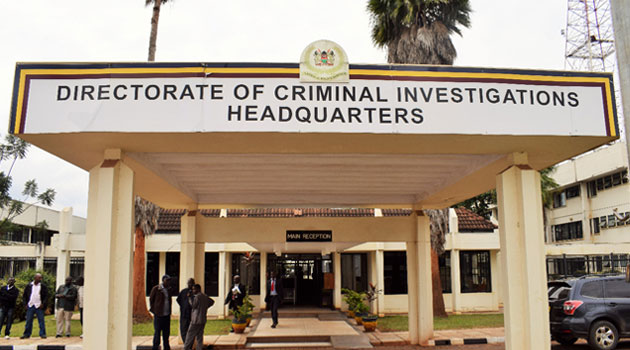
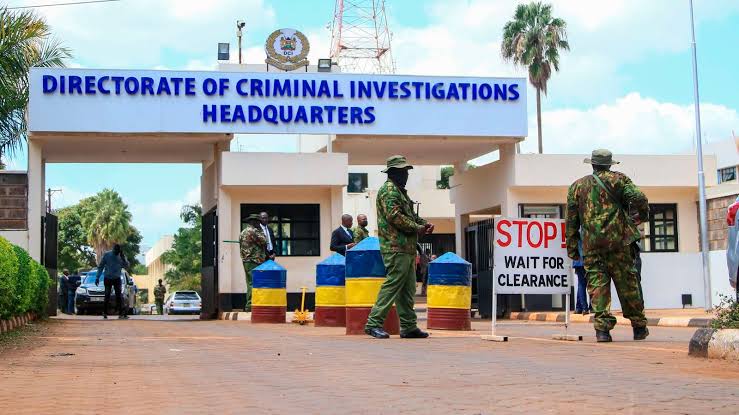
Murkomen argued that existing fines encourage illicit trade because profits far outweigh the penalties. To strengthen enforcement, the government plans to establish a reinforced Anti-Narcotics Unit (ANU) within the Directorate of Criminal Investigations (DCI).
The unit will receive paramilitary-style training and enhanced surveillance equipment. Authorities also plan to seize assets, including vehicles and property, believed to be linked to drug trafficking and the illicit alcohol trade.
“We will begin with the major players — those running illegal businesses behind legitimate fronts,” Murkomen said. “We will pursue them relentlessly.”
Constitutional and Legal Challenges
The proposal is expected to face significant legal scrutiny. Article 26 of the Constitution guarantees the right to life and states that no person shall be deprived of life intentionally except as authorised by the Constitution or written law.
Although Kenya’s Penal Code still lists hanging as the method of execution, the country has not carried out an execution since 1987. In addition, a landmark Supreme Court ruling in 2017 declared the mandatory death penalty unconstitutional, requiring courts to consider mitigating factors in sentencing.
Notably, President Ruto commuted all existing death sentences to life imprisonment in 2023. Human rights organisations continue to argue that capital punishment violates Article 28 of the Constitution, which protects human dignity.
As the proposed legislation heads to Parliament, it is expected to trigger intense legal debate and public discourse on crime, punishment and constitutional rights in Kenya.