Khalif Kairo Speaks Out on Ojwang’s Death and Kenya’s Political Future from Hospital Bed
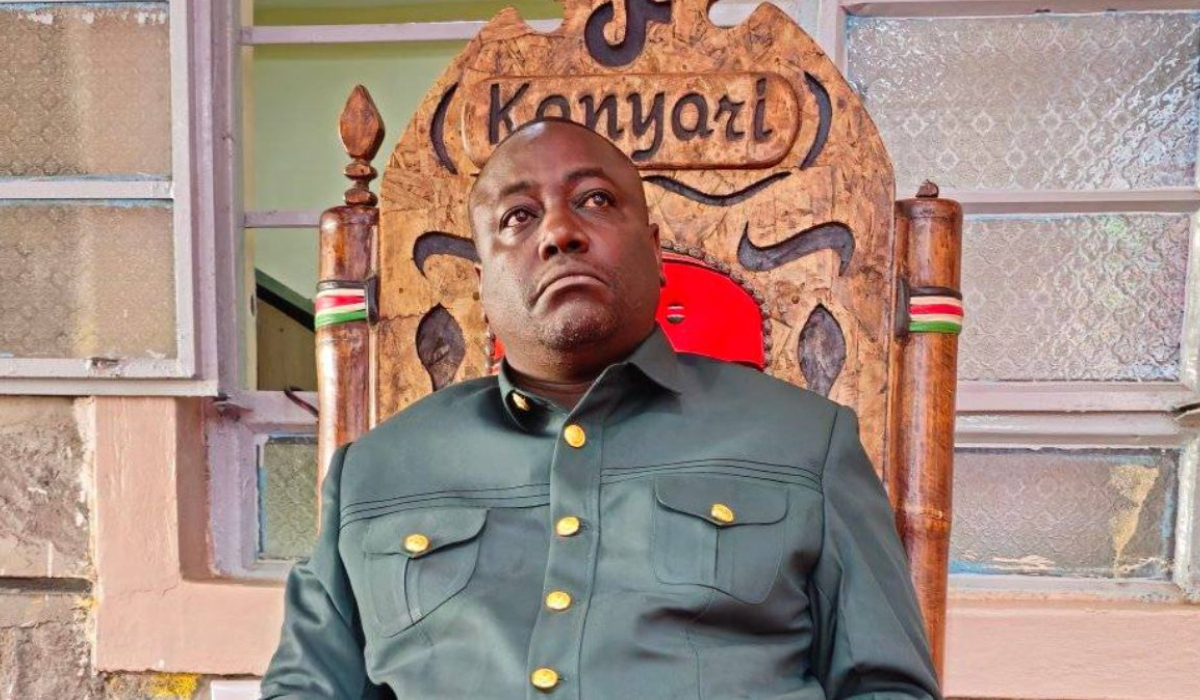
While recovering in hospital after a serious motorbike accident, entrepreneur Khalif Kairo has broken his silence, offering an emotional and unfiltered take on Kenya’s political climate and the recent death of blogger Albert Ojwang.
Speaking to Obinna TV Network during a hospital visit, Kairo said he was heartbroken and outraged by Ojwang’s death, which allegedly occurred in police custody. He condemned the brutality of those in power, describing them as “extremely evil” and willing to go to any length—killing, maiming, even destroying livelihoods—just to silence critics.
“This guy had a child, was his family’s only son,” Kairo lamented. “My heart breaks. I imagine what his father must feel. I put myself in his shoes, or in my mother’s shoes. It’s painful.”
Kairo, who himself spent a month in prison, spoke from personal experience about the vulnerability of confronting the system. “No place is safe,” he said. “You can be kidnapped, killed, or framed. And for what? A social media post? That’s just the lowest we can go as a country.”
He called Ojwang’s death especially tragic, noting that Kenya is witnessing increasing state repression. “I’ve learned the hard way. That’s why nowadays I just observe. But what happened to that young man is deeply tragic,” he said.
Kairo also spoke passionately about the future, predicting that the Gen Z generation—often dismissed for their online activism—will eventually lead the country.
“Today we’re in our 20s, but in 10 to 20 years, we’ll be in our 40s. These same people making noise online? They’ll be the ones in government,” he said. “And we might not be so kind to the people who are in power now.”
He predicted that current leaders could one day face serious consequences:
“I foresee members of this regime ending up in jail for years. Unlike previous generations, we may not forgive. God has a way of balancing the scales.”
Despite growing calls for him to consider political leadership, Kairo distanced himself from direct involvement in politics, describing Kenya’s political landscape as “very dirty and very mucky.”
Still, he voiced confidence that change is coming. “They may feel powerful now—we don’t have the army, the police, or the money. But we have time. Regimes fall. Nothing lasts forever. What’s being done today won’t be forgotten.”
He concluded with a firm warning to the political class: “One day, we will fix this country. And those responsible will pay.”