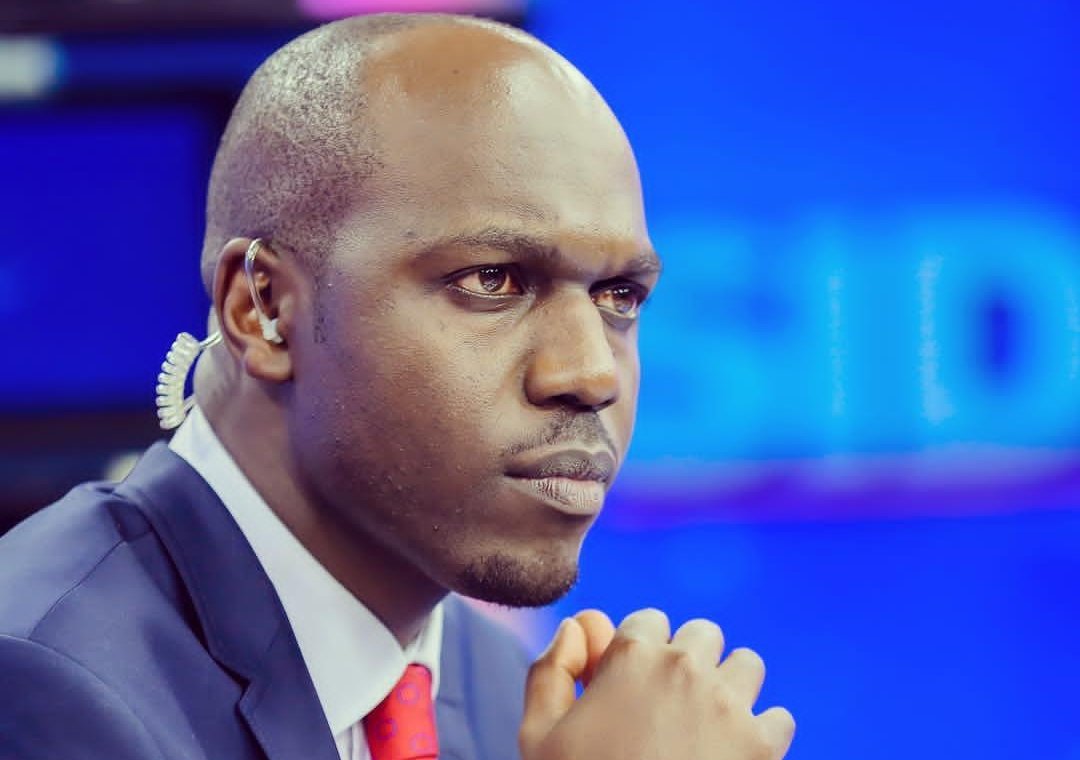
Life Inside Kenya’s Prisons: The Experiences That Changed Investigative Journalist Dennis Onsarigo
Investigative journalism carries many risks, but few assignments leave a deeper mark than those that took veteran journalist Dennis Onsarigo behind the walls of Kenya’s prisons. As the creator of the acclaimed series Case Files, Dennis spent years interviewing some of the country’s most dangerous offenders, navigating threats, studying grisly evidence, and confronting the justice system from the inside.
Speaking on the Iko Nini podcast, Dennis reflected on his earliest days inside prisons with a mixture of fear, caution and respect.
“Prison is a controlled place; they reduce you to nothing,” he recalled. “Some inmates know how to manipulate the system… but my biggest fear was always: ‘How do I get out of here safely?’”
This fear was rooted in reality. Many of the individuals he interviewed had case files filled with horrific photographs, crime scene reconstructions, and admissions of guilt for violent offences.
“When you talk to someone whose file clearly shows they killed a person — and they admit it — it’s intense.”
Finding Humanity Behind Bars
Despite the danger, Dennis gradually learned to navigate the social dynamics within prisons. He discovered that trust — not intimidation — was the key to drawing out honest stories.
“Some inmates became friends,” he said, noting that mutual respect often led to more open conversations.
Certain facilities stood out for their humane approach, particularly women’s prisons such as Lang’ata.
“The leadership understood landscaping, cleanliness, humane environments. Lang’ata Women’s Prison was surprisingly decent — for inmates, not for free people,” he noted.
These experiences showed him that dignity can survive even in restrictive environments.
The Heavy Burden of Accuracy
For Onsarigo, inmate confessions were just the beginning. His investigative process required combing through mountains of documentation before stepping into an interview.
“Sometimes you start with seven full volumes of files. You read police reports, witness statements, postmortems. It can take two weeks to read one case.”
His work didn’t stop there. He often traveled across the country to track down victims’ families — a step he considered essential for fair reporting.
“We weren’t judges; our work was to present all sides and let the public decide.”
Cases That Haunt Him
Some stories have stayed with him long after the cameras stopped rolling. Dennis recounted one case involving a woman initially sentenced to 30 years for killing her husband. When she appealed, her sentence was increased to life imprisonment.
Even more troubling was the fate of a man who happened to be present at the crime scene.
“There was no clear evidence he participated, yet he was also sentenced to life. That kind of injustice stays with you.”
The Emotional Toll
Working inside prisons meant confronting scenes most people never see — reconstructed remains, decapitated bodies, battered victims, and chilling confessions. Over time, Dennis learned to balance emotional resilience with professional objectivity.
“The first years were tough, but eventually I built rapport. You see the worst of humanity, but also resilience.”
His time behind bars ultimately reinforced his belief in empathy, patience, and thoroughness — values he considers essential for responsible journalism.