PLO Lumumba Weighs In On Samia Suluhu’s Landslide Victory
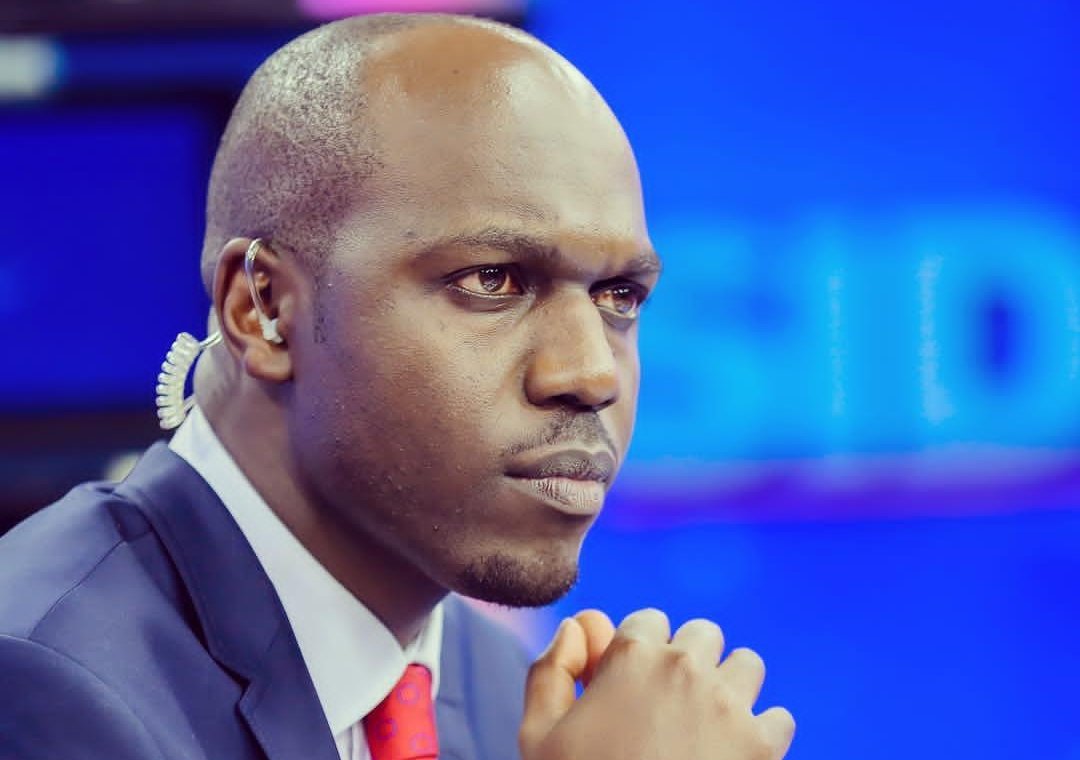
Following the declaration that Tanzanian President Samia Suluhu Hassan had secured a landslide re-election victory—reportedly garnering close to 98% of the vote—renowned Pan-Africanist and governance expert, Professor Patrick Loch Otieno (PLO) Lumumba, has offered a measured yet critical commentary on the outcome.
While acknowledging that President Suluhu was widely expected to win, PLO Lumumba’s remarks focus on the staggering margin of victory and its implications for democracy in the East African nation.
The Inevitable vs. The Incredible
Speaking on the highly contested results, which the main opposition party has rejected as illegitimate, Lumumba noted that the political environment preceding the polls made a Suluhu victory the most likely outcome. However, he expressed skepticism regarding the final tally.
“In any democracy, there are favorites, and President Samia Suluhu Hassan was undoubtedly the favorite to win,” PLO Lumumba stated. “But when you begin to see figures like 98%, it demands a pause. In a truly multi-party, competitive democracy, such a margin is less a measure of popularity and more a measure of the level of democratic space available.”
His comments echo concerns raised by international observers and human rights groups regarding the pre-election climate, which saw opposition leaders jailed, the main opposition party reportedly sidelined, and widespread allegations of fraud and violence.
READ ALSO; Diana Marua & Bahati Extend Congratulations To Yvette Obura On Her Engagement
The Health of Democracy
PLO Lumumba, known for his powerful oratory and unwavering call for good governance across Africa, implied that while winning is essential in a contest, the manner and magnitude of the win are crucial indicators of a nation’s democratic health.
He suggested that such overwhelming figures risk undermining the very legitimacy they are meant to establish.
“Tanzania has a strong history and its people deserve a vibrant, competitive political process,” Lumumba concluded. “The challenge now for the government is not just to govern, but to rebuild trust in the institutions that deliver those results, because a 98% victory, even for the most popular candidate, often suggests a miscalculation of political justice.”
The Professor’s commentary adds a respected legal voice to the chorus of questions surrounding the legitimacy of the election outcome, focusing attention not on who won, but on the credibility of the process itself.