

It’s no secret – Kenya’s youth are full of energy, ambition, and ideas. But for far too many of them, those ideas are stifled by one harsh reality: unemployment.
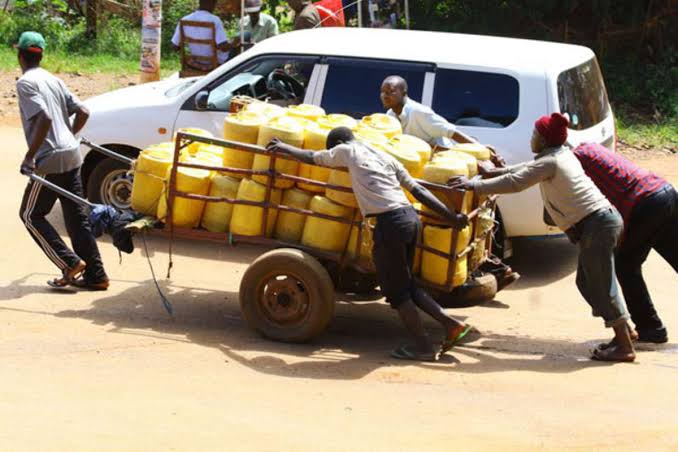
Walk through any town, from Kisumu to Kitui, and you’ll meet bright, capable but idle young people with diplomas and degrees.
Many remain jobless – or worse, underemployed in roles far below their qualifications.
And the numbers don’t lie: Over 15% of Kenyans aged 20–24 are unemployed. That’s not just a statistic – it’s a national emergency.

Why Are So Many Young Kenyans Struggling to Find Work?
The issue runs deeper than just “a lack of jobs.” It’s a complex mix of structural and social barriers:
Mismatch between skills and opportunities: Thousands graduate each year with certificates and degrees that don’t align with market needs.
Urban-rural inequality: Most formal jobs are concentrated in cities, while rural youth are left relying on subsistence farming and informal gigs.
Gender disparities: Young women are hit even harder. Many face limited access to education, cultural barriers, and fewer job openings.
We can’t afford to ignore this anymore.
So, What’s the Solution, Then?
If we want to turn the tide on youth unemployment, we need solutions that create real, immediate impact – not just paper policies.
Here are three bold approaches:
1. Revolutionize Agriculture for the Next Generation
Yes – agriculture. But not the old way.
Imagine an agricultural sector where young people are trained in modern farming techniques, equipped with the right tools, and connected to markets.
By scaling up access to fertilizer subsidies, providing hands-on training, and supporting agribusiness start-ups, we can transform farming into a profitable, youth-driven industry.
2. Expand Public Works Programs with a Purpose
Programs like Climate WorX Mtaani are already making waves – but what if we went bigger?
We need nationwide green jobs programs targeting youth in both urban slums and rural areas.
Think: tree planting, waste management, flood control, and road upgrades – projects that offer income, training, and dignity.
3. Tap into the Digital Goldmine
The future of work is digital – and Kenya’s youth are more than ready.
Let’s invest in digital literacy programs, open remote work training hubs, and build partnerships with the private sector to unlock opportunities in freelancing, IT, and Business Process Outsourcing (BPO).
What Does the Future Hold?
Tackling youth unemployment won’t happen overnight. It calls for long-term, systemic change:
- Education reform to align training with job market trends
- Youth-friendly financing through the Youth Enterprise Fund and Hustler Fund
- Public-private partnerships to scale industries that can hire en masse
Social protection for informal sector workers – because even the hustlers need a safety net.
In a Nutshell ….
Kenya’s greatest asset is its young people. But without jobs, their potential risks becoming a ticking time bomb.
It’s time we reimagined employment – not as a privilege, but as a right. A goal. A national priority.
Because when we invest in youth employability, we don’t just create jobs – we create a future.