Google Unveils Kenya’s Year in Search 2024

Google has released its Year in Search 2024 report, highlighting the topics that captured Kenyans’ attention throughout the year. The annual analysis sheds light on the trending searches and offers insights into what people sought to learn, explore, and experience.

From major events like SHA, the Finance Bill 2024, and the US Elections to trending figures such as Gachagua, Rebecca Miano, and Soipan Tuya, alongside global phenomena like the Olympics and Euro 2024, these searches reflect the issues that resonated most with Kenyans.

Top Trending Topics in Kenya

Key searches included SHA, Gachagua, Vybz Kartel, Brian Chira, AFCON, Supacell, and “Anguka Nayo” lyrics.


Trending News

SHA dominated the news category as Kenyans showed interest in the new Social Health Authority, which replaced the NHIF. The Finance Bill 2024 also sparked significant debate, especially among younger Kenyans, leading to widespread protests and eventual withdrawal by the government. The US Elections 2024 ranked third, reflecting global political interest.

Top 10 Trending News:

  1. SHA
  2. Finance Bill 2024
  3. US Elections 2024
  4. Gachagua Impeachment
  5. Haiti
  6. Cyclone Hidaya
  7. Starlink Kenya
  8. Gen Z
  9. SHIF
  10. Ford Foundation

Trending Local Personalities

Former Deputy President Gachagua led the list after his impeachment captured national attention. He was followed by Rebecca Miano, the Cabinet Secretary for Tourism and Wildlife, and Soipan Tuya, the Cabinet Secretary for Defence.

Top 10 Local Personalities:

  1. Gachagua
  2. Rebecca Miano
  3. Soipan Tuya
  4. Noordin Haji
  5. Kindiki
  6. Robert Nagila
  7. Kawira Mwangaza
  8. Jimmy Wanjigi
  9. John Mbadi
  10. Mutuse

Trending Global Personalities

Jamaican reggae star Vybz Kartel topped the list of global personalities, followed by US President-Elect Donald Trump and televangelist Benny Hinn, who made headlines with his “Healing the Nation” crusade in Nairobi.

Top 10 Global Personalities:

  1. Vybz Kartel
  2. Donald Trump
  3. Benny Hinn
  4. Kamala Harris
  5. Baltasar Engonga
  6. Joe Biden
  7. Diddy
  8. Bonny Mwaitege
  9. King Charles
  10. Katt Williams

Trending Losses

The passing of content creator Brian Chira, who died in a hit-and-run accident, was the most searched loss in Kenya. Other notable searches included actor Charles Ouda and journalist Rita Tinina.

Top 10 Trending Losses:

  1. Brian Chira
  2. Charles Ouda
  3. Rita Tinina
  4. Kelvin Kiptum
  5. Fred Omondi
  6. Allan Kiuna
  7. Mr. Ibu
  8. Njambi Koikai
  9. Lizzie Wanyoike
  10. Peter Morgan Heritage

Local Filmmaker Scores 1.5m with His Short Film

Kenyan filmmaker Omar Kibulanga has recently clinched two significant awards for his short film pitch, Makonde. The film, which tells the story of a stateless Makonde orphan’s struggle for survival and his community’s fight for recognition, was one of 12 projects selected from a pool of 60 at the Some Fine Day Pix awards ceremony.

Kibulanga, a former journalist, received a $10,000 grant from Some Fine Day Pix to produce Makonde. This followed an earlier win at the Alliance Française Sinema Mtaani Short Film Grant, which awarded him Sh250,000 in equipment and post-production support.
Some Fine Day Pix, a platform dedicated to nurturing East African filmmakers, hosted a two-day pitching session in Nairobi where 60 aspiring filmmakers presented their projects to a jury. In addition to the 12 winning pitches, five other teams received funding to develop innovative distribution and marketing strategies for their films.

Kenya’s Streets Echo with Calls to End Femicide

 
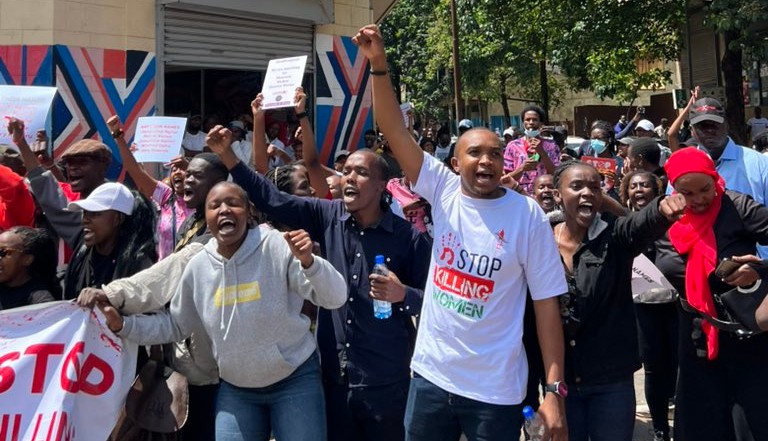
Today, Nairobi and several other Kenyan cities became the epicenter of a renewed push against femicide as thousands marched in the ‘End Femicide’ demonstration. This event, marking the conclusion of the 16 Days of Activism against gender-based violence, turned into a poignant display of solidarity, demand for justice, and a stark reminder of the ongoing battle against violence targeting women.


A Day of Peaceful Protest and Police Response

The march commenced with a clear message: the end of femicide must be prioritized. Protesters, including activists, journalists, and concerned citizens, carried placards with slogans like “We Are Human Beings,” “Say Their Names,” and “Stop Killing Us!” The atmosphere was charged with a mix of resolve and grief, fueled by the memory of numerous women who have fallen victim to gender-based violence.


However, the day’s events took a dramatic turn when Nairobi police resorted to using tear gas to disperse the crowd. Reports from various sources, including posts on X, confirmed that several journalists and activists were injured, and arrests were made. This response from law enforcement has reignited debates about the right to peaceful assembly and the government’s approach to protests, especially those demanding women’s rights and safety.


The Backdrop of Rising Femicide

The urgency of these protests stems from a disturbing trend of femicide in Kenya, with at least 500 women and girls murdered since 2016. This year alone, the beginning of January saw at least 10 women killed, highlighting an alarming rise in such incidents. The march today was not just about those numbers but about every woman who has been silenced, every family left in mourning, and every community shaken by these losses.


Demands and Solidarity

Participants of the march called for immediate governmental action. Their demands included:


  • Legal Recognition of Femicide: Advocates are pushing for femicide to be recognized as a separate crime, which would facilitate specific legal measures and penalties.
  • Data Collection: An emphasis on collecting accurate data on femicides to better understand and combat the issue.
  • Judicial Expedience: Calls for faster judicial processes for cases of violence against women to deliver timely justice.
  • Cultural and Normative Change: A broader societal shift to challenge and change norms that perpetuate violence against women.


The solidarity shown today was not just among women but included men who marched to denounce the violence, signaling a collective societal stand against femicide. However, the police’s use of force has cast a shadow over this solidarity, prompting further criticism of how the Kenyan government handles public demonstrations advocating for women’s rights.


The Path Forward

Despite the violent turn of events, the march has underscored the persistent and urgent need for change. It has highlighted the gap between existing legal frameworks and their enforcement, the need for systemic reforms, and the importance of community and governmental commitment to ending gender-based violence.


The dialogue sparked by today’s march must continue, pushing not only for immediate action but also for a long-term strategy involving education, legal reform, and cultural shifts. The government’s response to the protests today has added another layer to this ongoing discourse, emphasizing the need for dialogue, accountability, and respect for constitutional rights to peaceful assembly.


In Conclusion

Today’s ‘End Femicide’ march in Kenya was meant to be a peaceful call for justice and change. Instead, it turned into a battleground where the rights to protest and freedom of expression were challenged. As Kenya reflects on the events of December 10, 2024, the focus must remain on ensuring that such demonstrations lead to tangible steps towards ending femicide, protecting women, and fostering a society where gender-based violence is not just condemned but eradicated.

Affordable Housing in Kenya: A New Dawn for Homeownership

So, the government’s got this grand plan to give everyone a house. Like, everyone. Even your neighbor who’s always borrowing your sugar. It’s called the Affordable Housing Program, or AHP for short.

Imagine this: You, a regular Kenyan, owning a house. Not just any house, but a house that won’t break the bank. It’s like a dream come true, right? Well, the government seems to think so too.

They’ve got these fancy names for the houses: Social Housing, Affordable Housing, and Affordable Middle-Class Housing. It’s like a housing buffet, but instead of food, it’s houses.

But let’s be real, getting a house in Kenya isn’t as easy as ordering pizza. You’ve got to jump through hoops, fill out forms, and maybe even sacrifice a goat to the housing gods. Just kidding (mostly). You just need to be a Kenyan citizen and have a Huduma Namba.

So, if you’re tired of paying rent and dreaming of owning your own little piece of paradise, the AHP might be your ticket to homeownership. Just remember, patience is key. And maybe a little bit of luck.

After all, who knows? You might just end up with a house with a view of the city skyline. Or maybe just a decent roof over your head. Either way, it’s a step in the right direction.

To be eligible for the AHP, Kenyan citizens must meet specific income criteria and be registered on the Huduma Namba platform. Interested individuals can apply online through the Boma Yangu portal or by dialing *832#.

Remember, your dream home is just a few clicks away! Dial *832# or go to the Boma Yangu portal to apply

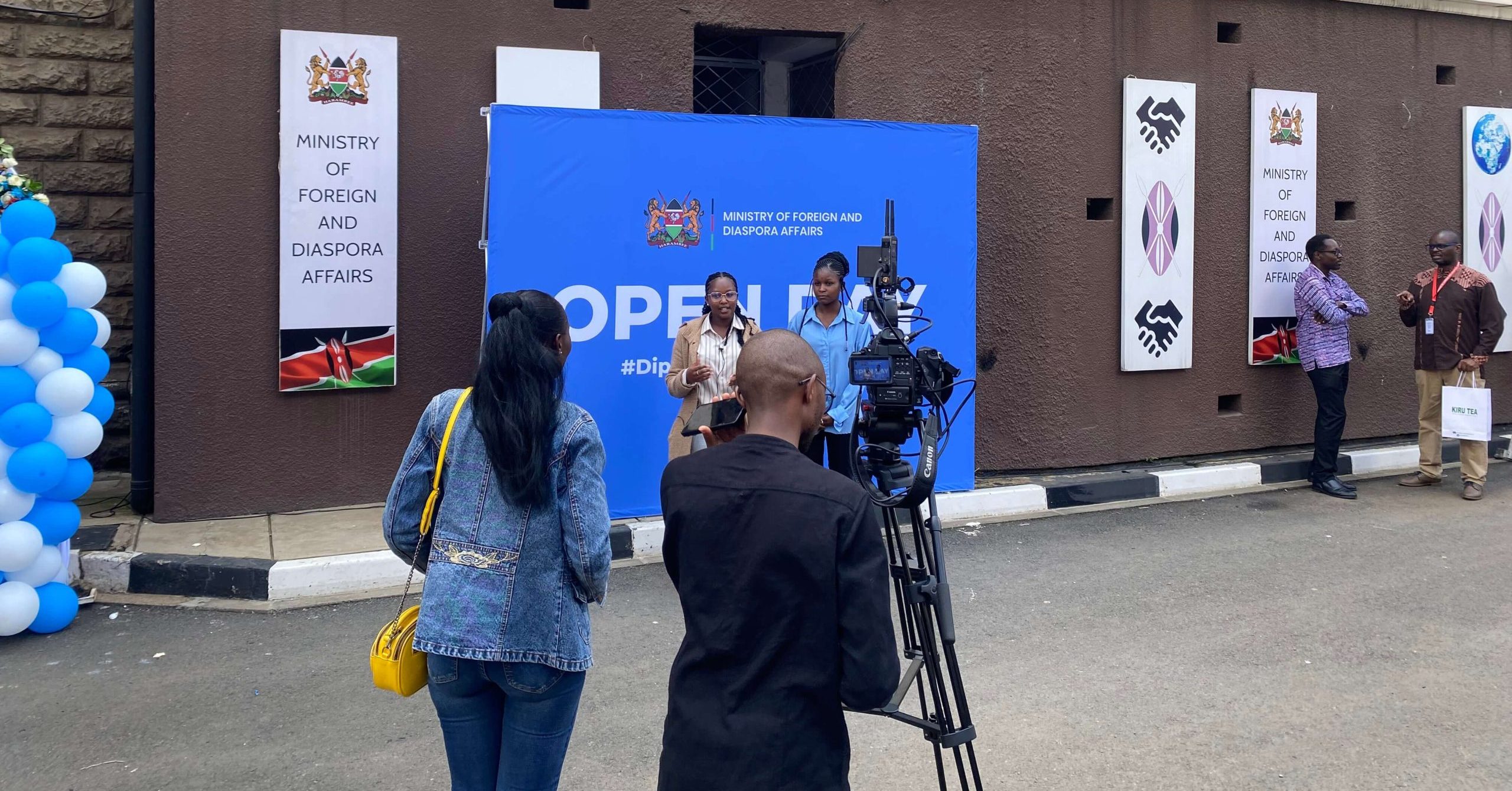
Exploring Art and Heritage at the Kenya Ministry of Foreign Affairs Open Day

The Kenya Ministry of Foreign and Diaspora Affairs recently hosted an Open Day, an event that transcends mere bureaucratic openness to become a vibrant celebration of Kenyan and broader African cultural heritage. This initiative, part of broader efforts to engage with the public and promote cultural diplomacy, offered a unique glimpse into the artistic and historical treasures that define Kenya’s rich cultural tapestry.

A Showcase of Cultural Diversity

Kenya, known for its diverse ethnic communities, each with unique art forms and traditions, used this platform to highlight its cultural wealth. The event featured:

Traditional Artifacts: Visitors could explore an array of traditional Kenyan artifacts. From the intricate beadwork of the Maasai to the wooden carvings representing various Kenyan tribes, these pieces were not just art; they were stories carved in wood, shaped in metal, and woven in threads, narrating the history and daily life of Kenya’s people.
Historic Documents and Memorabilia: The Ministry displayed items from the National Archives, including documents from key historical moments. Letters, speeches, and photographs of notable figures like Mzee Jomo Kenyatta and other leaders provided a historical context, offering insights into Kenya’s journey from colonial times to independence and beyond.

Contemporary Kenyan Art: Modern interpretations by Kenyan artists were showcased, illustrating the dynamic evolution of art in Kenya. This included works that reflected current societal issues, blending traditional elements with contemporary expressions. The Kenyan art scene’s vitality was palpable, showcasing talents that are gaining international recognition.

Cultural Performances

Music and Dance: Live performances added a dynamic layer to the event. Traditional music from different regions of Kenya filled the air, complemented by dance performances that were both a spectacle and an educational experience. These performances not only entertained but also educated attendees about the cultural significance of various dances and musical styles.
Artistic Dialogues: Discussions and workshops on the role of art in diplomacy and cultural exchange were held, emphasizing how art serves as a bridge between cultures, fostering understanding and cooperation. This was particularly poignant in the context of the Ministry’s role in international relations.

Heritage Conservation Initiatives

The event was not just about display but also about discussing the preservation of cultural heritage. There were talks on:

Conservation Efforts: The importance of preserving both tangible and intangible cultural heritage was a focal point. The Ministry, along with partners like the National Museums of Kenya, highlighted ongoing projects aimed at conserving sites like the Gede ruins or the Swahili architecture of Lamu, recognized by UNESCO.

Cultural Education: Programs aimed at educating the younger generation about their heritage were promoted, ensuring that the legacy continues and evolves with time. This included mobile apps and digital exhibitions, making cultural heritage accessible to everyone, especially in light of technological advancements.

Public Engagement and Diplomacy

The Open Day served as a platform for:

Diaspora Engagement: Recognizing the Kenyan diaspora’s role in cultural preservation, the event provided a space for community members to reconnect with their roots, fostering a sense of pride and belonging.

International Visitors: Foreign diplomats and tourists were among the attendees, providing an opportunity for cultural exchange. The Ministry used this event to highlight Kenya’s soft power through its cultural heritage, aligning with global initiatives like UNESCO’s cultural preservation efforts.

Conclusion

The Kenya Ministry of Foreign and Diaspora Affairs’ Open Day was more than an event; it was a statement on the importance of culture in national identity and international diplomacy. It celebrated Kenya’s history, its artistic evolution, and its commitment to preserving this heritage for future generations, while also inviting the world to share in this rich cultural dialogue. This celebration underscored that in Kenya, culture is not just preserved; it’s alive, vibrant, and woven into the fabric of national and international identity.

The Ministry of Foreign Affairs’ Open Day in Pictures

Today’s event at the Ministry of Foreign and Diaspora Affairs in Kenya was an open day celebrating 60 years of Kenya’s Diplomatic journey. The Ministry organized an event where the public could engage with diplomats, ask questions about Kenya’s diplomatic activities, and participate in workshops aimed at young Kenyans. This initiative is part of the broader effort to mark six decades of Kenyan diplomacy, highlighting its journey and missions abroad. Here is a pictoral essay of how everything went down:

The Diplomatic Police Unit engaging with citizens on how they go about their jobs


This is the Middle East Directorate within Kenya’s Ministry of Foreign Affairs which is responsible for managing Kenya’s diplomatic relations with the Gulf States
Kenya’s Permanent Mission to the UN Human Settlements Programme which plays a vital role in advancing the country’s interests in sustainable urbanization


Kenya’s Police College Band provided music and also mingled with the people on the day

Kenyan Model Teddy Rossiter Makes History at Mr. World 2024

Kenya is celebrating a major win! Teddy Rossiter, our very own Mr. World Kenya, has made history by securing a Top 8 position and the title of Mr. World Africa Runner-Up at the prestigious Mr. World 2024 competition held in Vietnam.

Teddy’s impressive performance has put Kenya on the global map of male pageantry. He was a standout in various categories, including:

  • Top 3 People’s Choice Award: A testament to his popularity and charisma.
  • Only African Swimsuit Finalist (Top 15): A historic achievement showcasing his physique and confidence.
  • Top 10 Marathon Finalist: Proving his physical endurance and athletic prowess.
  • Top 12 Top Model Finalist: Impressing the judges with his runway skills.
  • Talent Finalist: Showcasing his unique talents and creativity.
  • Top 20 National Costume Finalist: Representing Kenya’s rich culture and heritage.
  • Top 20 Dances of the World: Demonstrating his dance skills and energy.

Teddy’s journey has been truly inspiring, and his success reflects the growing talent and potential of Kenyan models on the international stage. As we eagerly await the final results of the Mr. World 2024 competition, we extend our heartfelt congratulations to Teddy Rossiter for making Kenya proud!

Kenya listed as leading country with worst slavery practices

On a list of nations with the worst records for using contemporary slavery, Kenya came in at number 12.

According to the Global Slavery Index 2023, which was published this week after looking into several cases, this is the case.

The report states, in part, “This includes people who are forced to work against their will, frequently in hazardous or exploitative conditions after being recruited on social media.”

According to the report, social marginalization, unemployment, and poverty are some of the main causes of modern slavery in Kenya.

According to the research, 360,000 Kenyans—or 0.6% of the nation’s total population—are believed to be living in modern slavery.

The report states, in part, “This includes people who are forced to work against their will, frequently in hazardous or exploitative conditions after being recruited on social media.”

According to the report, social marginalization, unemployment, and poverty are some of the main causes of modern slavery in Kenya.

In addition, forced marriage, sexual exploitation, and financial bondage, all of which are considered to be types of modern slavery, are also widely practiced in Kenya. People who engage in this sort of abuse also experience violent abuse.

For more thought-provoking opinion pieces, click here. And be sure to like our Instagram page.