KARA’s Usalama Mitaani Forum Kicks Off Safer Streets in Kenya

Yesterday the Kenya Alliance of Resident Associations (KARA) dropped a game-changer with their Usalama Mitaani Programme launch at Nairobi’s 7th August Memorial Park. The vibe was all about bringing communities together to make Kenyan neighborhoods safer, and it was a big deal. Big shots like Interior Principal Secretary Dr. Raymond Omollo and Inspector General of Police Douglas Kanja showed up, alongside folks from resident associations, grassroots leaders, and even private security crews from cities like Nairobi, Mombasa, Kisumu, and Nakuru.

The whole idea behind Usalama Mitaani is simple: safety starts at home, in your estate, or right on your street. With Kenya’s police spread thin (one cop for every 688 people) relying just on them isn’t cutting it. So, KARA’s like, “Let’s get residents in the driver’s seat.” They’re rolling out cool tools like the Hatua App for reporting sketchy stuff, plus forums and training to help neighbors team up with cops and private security to tackle crime. We’re talking small-time stuff like break-ins, which Dr. Omollo said make up over 40% of crimes reported.

One big focus? Cracking down on drug and alcohol abuse, especially among young folks in informal settlements. It’s not just a health thing—it’s a security issue too. The programme’s hooking up with faith groups, NACADA, and police to run awareness campaigns and get people into rehab if needed. The goal’s to stop trouble before it starts.

Here’s the wild part: Kenya’s got over 1.2 million private security guards compared to just 100,000 cops. Usalama Mitaani is tapping into that, bringing private firms into the mix for a true team effort. Dr. Omollo was like,

We have slightly over 100,000 police officers. When you think about it, you begin to appreciate how impossible it is to place officers on every corner, which is why security must be a collaborative effort.

KARA’s CEO Henry Ochieng doubled down, saying it’s all about communities and the government linking up for the same goal: safer streets.

This is just the start. Usalama Mitaani’s kicking off in big cities, but KARA’s got plans to take it nationwide. With over 860 resident associations in their corner, they’re ready to make waves. Dr. Omollo summed it up:

Kenya has over 1.2 million private security officers. This shows the untapped power in public-private-community partnerships.

Yesterday’s launch wasn’t just an event—it was a promise to make Kenya’s neighborhoods safer, one street at a time. Here’s to more wins like this!

Homa Bay Shines as Kenya Celebrates 62nd Madaraka Day

The lakeside town of Homa Bay erupted into a vibrant spectacle of color, culture, and national pride as it hosted Kenya’s 62nd Madaraka Day celebrations at the newly refurbished Raila Odinga Stadium. Marking the first time the county has hosted this historic event, the celebrations, themed  around harnessing Kenya’s Blue Economy for sustainable growth, underscored Homa Bay’s strategic role in the nation’s aquatic and maritime ambitions.

By sunrise, thousands of Kenyans had filled the 20,000-seater stadium, waving national flags and chanting patriotic slogans under a scorching sun. The festive atmosphere was electric, with local Luo traditional dancers captivating the crowd with hypnotic Orutu and Nyatiti beats, complemented by the soulful rhythms of Benga music.

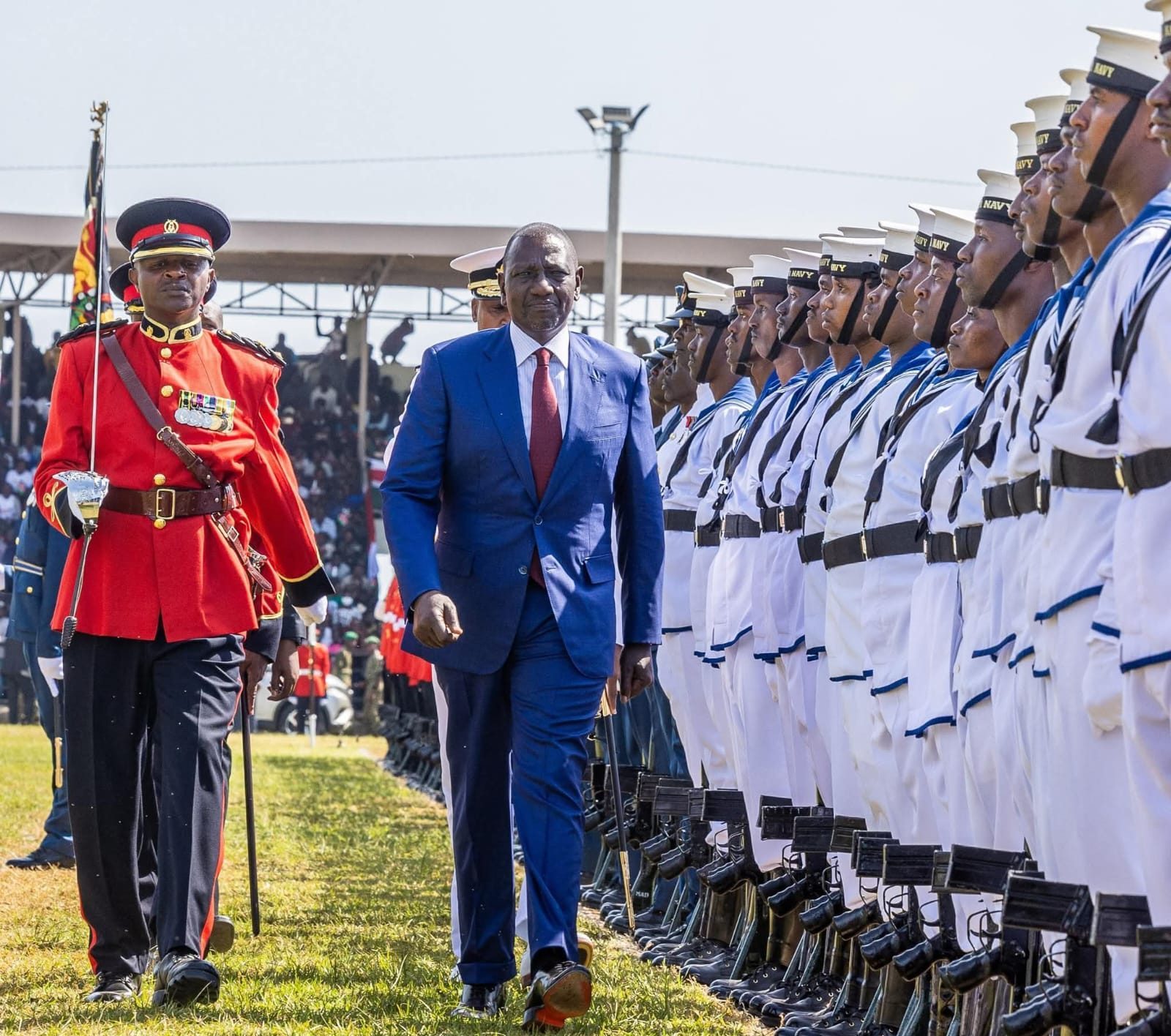
The event took a lively turn when President William Ruto, accompanied by First Lady Rachel Ruto, made a grand entrance at 10am, greeted by a roaring crowd and the Kenya Defence Forces band playing the national anthem. Joined by Slovenian President Nataša Pirc Musar, the chief guest, and former Prime Minister Raila Odinga, President Ruto inspected a crisp guard of honour led by Chief of Defence Forces General Charles Kahariri.

A highlight of the day was an unexpected display of camaraderie as President Ruto, Raila Odinga, and Deputy President Kithure Kindiki broke into spontaneous dance moves to a patriotic tune, “Umoja ni nguvu, utengano ni udhaifu; Kenya nchi yangu, hakika naipenda.” The Slovenian President joined in, adding an international flair to the joyous moment that drew cheers from the crowd.

In a symbolic nod to the Blue Economy theme, President Ruto and Raila Odinga participated in a fish-frying demonstration at the newly inaugurated Homa Bay Modern Fish Market, joined by Governor Gladys Wanga and Mining Cabinet Secretary Hassan Joho. The event highlighted the region’s fishing industry, with the market set to serve 400 traders and boost local commerce.

President Ruto also commissioned several development projects, including the Homa Bay Pier, the expanded Kabunde Airstrip, and the new Homa Bay County Government headquarters, signaling a transformative infrastructure boom for the region. Governor Wanga hailed the event as a “devolution blessing,” noting that hosting Madaraka Day has spurred economic growth, with local businesses like hotels and food kiosks thriving from the influx of visitors.

“This is a historic moment for Homa Bay and a testament to the power of devolution,” Wanga said. “The infrastructure upgrades and economic surge will leave a lasting legacy for our people.”

Raila Odinga echoed her sentiments, emphasizing the significance of hosting the event in Nyanza, a region long regarded as an opposition stronghold. “This is a great day for Homa Bay County, but more importantly, it shows that devolution works when empowered,” he said.

The celebrations also featured a three-day Blue Economy conference, which began on May 29 with Deputy President Kindiki opening the “Our Water, Our Wealth” forum. The conference, headlined by Raila Odinga on its second day, focused on sustainable growth in Kenya’s aquatic sectors, with local fisherfolk calling for increased investment in modern boat-making and marine technology.

Security was tight, with the National Police Service and Kenya Defence Forces strategically stationed across the stadium, ensuring a safe and orderly event. Parallel celebrations took place nationwide, with Baringo County hosting its event at Barwessa Primary School.

As the day concluded with cultural showcases and speeches, Homa Bay set a new benchmark for national celebrations, blending heritage, unity, and a forward-looking vision for Kenya’s Blue Economy. The lakeside county, now firmly in the national spotlight, has proven itself a vibrant hub of progress and pride.

Government Clarifies Finance Bill 2025, Emphasizes Broadened Tax Base and Fairness

The Kenyan government’s 2025 Finance Bill aims to broaden the tax base, promote fairness, and ensure sustainable national development. This will mainly be achieved by widening the tax net, ensuring more individuals and businesses contribute to the national revenue. This approach aims to distribute the financial burden more equitably, ensuring that those who benefit from public infrastructure like good roads, equipped health facilities, and educational opportunities contribute their fair share. A broader tax base will ease the load on any single group, preventing over-taxation.

Several key proposals in the Finance Bill 2025 aim to enhance tax transparency and efficiency. These are the ones that are relevant to our youthful audience:

Capping of Tax Losses: The Bill proposes a five-year limit for carrying forward tax losses. This measure seeks to improve transparency, encourage timely tax filing, and strengthen the government’s revenue base. It also aims to create a more predictable tax environment, with the government open to verifying tax loss claims to ensure fairness.

Deductibility of Sports Sponsorship: The Bill introduces measures to scrutinize sports sponsorships, ensuring genuine efforts that benefit sports, the community, and Kenyans at large. This comes amid concerns that some organizations, including betting companies, may inflate sponsorship budgets to reduce tax obligations. KRA will monitor and review sponsorship claims on a case-by-case basis, promoting investments in infrastructure like stadiums over one-time purchases, fostering long-lasting community benefits, job creation, and talent nurturing, aligning with the Bottom-Up Economic Transformation Agenda (BETA).

Data Management and Reporting: The Bill introduces updates empowering KRA to access data to improve tax compliance, especially targeting tax evasion through online transactions. Despite potential data privacy concerns, the government asserts that a robust Data Protection Act and an empowered Office of the Data Protection Commissioner will ensure responsible use of data for lawful purposes.

Digital Marketplace and Lenders: The Finance Bill aims to harmonize the digital marketplace across the VAT Act and Income Tax Act, promoting fairness and expanding the tax base to include all online or offline businesses generating income in Kenya. While recognizing concerns from content creators and small online traders, the government is exploring the waiver or review of the digital content withholding tax as a gesture of goodwill. Digital lenders extending credit through electronic platforms will be subject to a 20% excise duty on fees charged, an upward review of existing percentages to ensure equity and regulate the space to protect consumers from exploitative rates.

Electronic Services: Taxing electronic services reflects an effort to align tax policy with evolving media consumption trends, promoting equity between traditional and digital broadcasters. The rationale is that digital platforms, which profit significantly, should contribute to national revenue, benefiting from public infrastructure like roads, power, and internet access, which are tax-payer funded.

Tax Refunds: The Bill broadens the legal framework for handling refunds, penalties, and interest objection fees, moving beyond just section 47 of the Tax Procedures Act. The government emphasizes that while refunds are due, one must pay first. An amnesty for tax returns prior to 2024 ends in June this year, after which penalties and interest will apply, except for errors due to system-related issues.


It appears that the Finance Bill 2025 is not intended to stifle creativity or growth but rather to promote fairness, economic justice, and national progress.

Kenyan & Tanzanian MPs Showcase Unity At National Prayer Breakfast Amidst Diplomatic Tensions

An extraordinary display of unity unfolded today, Wednesday, May 28, in Nairobi as Kenyan and Tanzanian Members of Parliament joined voices in song during the National Prayer Breakfast. This moment of cooperation at the Safari Park Hotel was particularly notable given the recent strain in relations between the two East African nations, following the detention of Kenyan activist Boniface Mwangi in Tanzania for over three days.

During a praise and worship session, Tanzanian MPs took to the stage alongside their Kenyan counterparts to sing the renowned Swahili hymn “Bwana ni Mchungaji Wangu” (The Lord is My Shepherd). The camaraderie displayed suggested no lingering animosity, despite recent public jabs exchanged between officials from both sides.

Recent Diplomatic Friction

The display of unity at the prayer breakfast stands in contrast to recent heated exchanges. Just this past Monday, May 26, a section of Tanzanian MPs launched a scathing attack on People’s Liberation Party (PLP) leader Martha Karua and five other activists. Led by Pandani MP Maryam Omar, they questioned why Tanzanian authorities allowed Karua to leave the country without any disciplinary action, suggesting she and her colleagues should have faced punishment for allegedly “meddling in their affairs.”

Furthermore, other Tanzanian lawmakers, led by Iringa Urban District MP Jesca Msambatavangu, tasked President William Ruto to take action against Kenyans disrespecting their Head of State, Samia Suluhu. They expressed displeasure over social media insults targeting Suluhu for her decision to deport six Kenyans and accused Kenyan youth of perpetrating “violent activities” that threatened Tanzania’s regional and global reputation.

However, Msambatavangu’s stance quickly drew backlash, with her phone number reportedly shared on social media, leading to a barrage of texts and calls from Kenyans.

While Kenya’s Foreign Affairs Cabinet Secretary Musalia Mudavadi has maintained that diplomacy was key in averting a potential diplomatic spat, the long-term implications of these recent events on Kenya-Tanzania relations remain to be seen

Treasury CS Engages Youth on Finance Bill, Fostering Fiscal Literacy and Accountability

In a significant move towards greater transparency and youth engagement in national economic policy, Treasury Cabinet Secretary John Mbadi recently held a comprehensive session with Kenya’s Youth Parliament. The interactive forum saw the CS demystifying the intricacies of the Finance Bill, providing a crucial platform for the nation’s future leaders to understand the foundational elements of the country’s fiscal framework.

CS Mbadi commenced the session by delving into the multifaceted aspects of the budget process. He meticulously outlined the journey of national finances, from their initial conceptualization to their eventual implementation. A key focus of his presentation was to clarify the critical distinctions between the budget estimates and the Finance Bill. This elucidation is vital for public understanding, as the budget estimates lay out the government’s projected expenditures and revenues, while the Finance Bill provides the legal framework for implementing the tax proposals and other financial measures necessary to achieve those estimates. By explaining these nuances, the CS aimed to equip the young parliamentarians with a clearer perspective on how the government plans its spending and generates its income, fostering a more informed citizenry.

Furthermore, the Cabinet Secretary elaborated on the rationale underpinning some of the proposed tax measures. While specific details of each tax proposal were not outlined in the summary of the discussion, the CS’s explanation would have highlighted the strategic objectives behind these fiscal decisions. Typically, such measures are designed to achieve various economic goals, including funding essential public services, stimulating specific sectors of the economy, managing national debt, or promoting equitable wealth distribution. His insights provided context to the government’s revenue-generating strategies, emphasizing the necessity of a robust tax regime to support national development initiatives.

A pertinent concern raised by the Youth Parliament, and addressed by CS Mbadi, was related to data privacy in tax collection. In an era of increasing digital integration and heightened awareness regarding personal information, the youth’s query underscored the importance of trust between taxpayers and revenue authorities. The CS’s response would have likely focused on the safeguards and legal frameworks in place to protect sensitive financial data, assuring the young leaders of the government’s commitment to upholding privacy standards while ensuring efficient tax administration. This dialogue is crucial for building confidence in public institutions, especially among a generation that is highly attuned to digital rights.

CS Mbadi also took the opportunity to outline the government’s ongoing efforts to cut expenditure. This aspect of fiscal management is paramount for ensuring efficiency and prudent use of public funds. Discussions on expenditure cuts typically revolve around streamlining government operations, eliminating wastage, prioritizing essential services, and optimizing resource allocation. By shedding light on these efforts, the CS demonstrated the government’s commitment to fiscal discipline and responsible financial stewardship, aiming to reassure the youth about the sustainability of public finances.

The interactive session culminated in a robust Question and Answer segment, where the Youth Parliament posed a range of pressing issues. Among the key topics discussed was funding for mental health. This highlights a growing awareness among young people about the importance of mental well-being and the need for adequate resources to support mental health services. The CS’s response would have addressed the government’s plans and commitments in this vital area.

National debt also featured prominently in the discussion. This is a significant concern for future generations who will inherit the financial obligations of the present. The CS would have provided clarity on the government’s strategy for debt management and sustainability. Additionally, the perennially critical issue of corruption was brought to the forefront, with the youth seeking accountability and outlining the government’s measures to combat graft within the public finance sector.

In a reflection of the evolving digital economy, questions were raised regarding the taxation of content creators. This emerging sector, largely driven by youth, presents unique challenges and opportunities for revenue collection. The CS’s insights would have offered a perspective on how the government intends to balance fostering innovation and growth in this space with ensuring equitable taxation. Finally, regional disparities were discussed, a testament to the youth’s concern for balanced development across the country. The CS’s response would have touched upon policies aimed at addressing economic imbalances between different regions.

This engagement between Treasury CS John Mbadi and Kenya’s Youth Parliament serves as a powerful example of direct dialogue and participatory governance. It not only enhances fiscal literacy among young citizens but also provides a crucial avenue for their voices to be heard on matters of national economic policy, shaping a more accountable and responsive future for Kenya.


Widow Rose Obuya Receives New Home, Signifying Hope and Dignity in Migori County

A new chapter of hope has unfolded for Rose Obuya, a 38-year-old widow and mother of five, in North Sakwa Ward, Awendo Constituency, Migori County. Through the transformative Widows Empowerment Program, Rose has been gifted a newly built, fully furnished house, providing her family with a stable and dignified home after years of hardship.

Previously, Rose and her children endured the vulnerability of a crumbling mud-walled structure.

Now, that insecurity has been replaced with a permanent residence equipped with bedding, household items, and kitchen essentials, marking a complete turnaround in her family’s living conditions. This initiative aligns with the program’s core mission to restore dignity to widows across Kenya.

Beyond providing shelter, the program has also addressed other significant burdens faced by Rose. With one of her children currently in Form Four, the Widows Empowerment Program, under the stewardship of Interior PS Dr. Raymond Omollo, has committed to clearing her school fees, paving the way for her child’s education and a brighter future for the family.

Rose is an active member of the Kuja Widows Group, a community-based collective in Awendo that has also received tailored support from the program. This group has been empowered with resources for poultry farming and catering equipment, facilitating income generation during local functions. This strategic support ensures that empowerment extends beyond individual homes, fostering sustainable, collective progress within the community.

The handover of Rose’s new home was conducted by local coordinators and community champions, emphasizing the program’s grassroots, community-first approach. Rooted in compassion and delivered through local networks, the Widows Empowerment Program is steadily transforming rural lives, one woman, one home, and one future at a time. Rose’s journey from vulnerability to stability and from despair to dignity stands as a powerful testament to the impact achievable when leadership addresses the genuine needs of its people.

Government Makes a Radical Step Towards Transparency With Finance Bill Townhall

In learning from the mistakes of the past, the government has enhanced transparency on the publishing of this year’s finance bill. In previous regimes, government budgeting was a huge surprise that people only got to know about on the day the budget was released. While this process had all our fathers glued to the TV to see where the winds of change were blowing, it was a source of emotional tension which reached a boiling point in the Maandamano Tuesdays of yesteryear. To rectify this, the current government has organized a series of townhalls where Treasury CS John Mbadi and 4 of his director generals explain all the incoming changes before they hit our collective wallets.

Highlighting the process

CS Mbadi explained how the budgeting process commenced last August with a circular distributed to Ministries, Departments, and Agencies (MDAs). This was followed by the crucial Budget Review and Outlook Paper in September. This document serves as a comprehensive assessment of the outgoing financial year’s performance, providing vital insights into the nation’s economic trajectory and future projections. However, for now the document remains a draft, subject to public participation until the Finance Bill finally gets signed into law

The effect on our pockets

Mr. Mbadi emphasized that there will not be much additional revenue collection this coming financial year. We’re talking about 20 billion extra, which comes to about an extra 33 shillings every month that the government will be asking from Kenyans this time around. The main objective of this finance bill is to create a predictable tax policy for business people to be able to plan around.

Equity of resource distribution

Yussuf Adan Haji, the chairman of the national cohesion and equal opportunity committee was quick to add the importance of inclusivity in the budget process. Haji stressed the critical need for equity and ensuring that the budgetary considerations adequately address the needs of marginalized communities within Kenya.

Echoing this sentiment, the Inter-Religious Council of Kenya (IRCK) noted a positive shift towards greater public participation in this year’s budget formulation, suggesting that the government has taken lessons from past experiences.


Public engagement

The panel took in questions from key stakeholders in the vital boda boda, small scale traders and students sectors. The session showed how it can be a delicate balancing act of managing expectations of all the people who support the government. Everyone wants their special interest spared from the taxman’s grasp, but keeping everyone happy both inside and outside the government is no mean feat

NEMA Orders Closure of Habanos Lounge Over Noise Pollution Concerns

Today the National Environment Management Authority (NEMA) of Kenya issued a closure order against Habanos Lounge, a popular nightclub located along the Northern Bypass near Kiambu Road. The directive, effective immediately, came after persistent complaints from nearby residents about excessive noise pollution and the club’s failure to comply with prior noise control orders.
NEMA’s decision follows weeks of escalating tensions, highlighted by a senior government official’s public call on April 6 for the club to address the noise issue. The official, previously associated with the Hustler Nation Intelligence Bureau, pointed out that the noise was severely impacting families and schoolchildren in the Ridgeways area, with some residents forced to soundproof their homes to cope. The official urged Habanos to follow the example of neighboring clubs like BND, which had already implemented soundproofing measures.
Habanos Lounge, strategically positioned near affluent residential neighborhoods, had been under scrutiny for its loud operations. NEMA’s statement confirmed that despite earlier warnings, the club did not take adequate steps to mitigate the noise, prompting the closure. The authority emphasized its commitment to enforcing environmental regulations, particularly in residential areas where noise pollution can significantly disrupt quality of life.
This action is part of a broader crackdown by NEMA on noisy establishments. In March 2025, the authority issued warnings to three nightclubs in Lavington and Kilimani, demanding robust noise control measures with the threat of closure for non-compliance. NEMA’s Environmental Education Director, Ayub Macharia, recently reiterated that the agency would not spare any establishment—be it clubs, companies, or even churches—found violating noise pollution regulations. This stance aligns with Nairobi County Governor Johnson Sakaja’s 2024 directive banning nightclubs from operating in residential zones and restricting them to commercial areas.
The closure of Habanos Lounge raises questions about the balance between entertainment businesses and community well-being. While nightclubs contribute to the local economy and nightlife culture, their proximity to residential areas often leads to conflicts. NEMA’s firm action signals a prioritization of environmental and public health over commercial interests, but it also underscores the need for better urban planning and stricter adherence to zoning laws.
For residents near Habanos, the closure brings relief, though some wonder if the club will appeal the order or take steps to reopen with proper noise mitigation. For now, NEMA’s enforcement serves as a reminder that environmental regulations are not mere suggestions—they are mandates meant to protect the public from the often-overlooked harm of noise pollution.

Controversy Erupts at National Drama Festivals as Butere Girls Stage Walkout Over “Echoes of War” Play

The Kenya National Drama and Film Festivals in Nakuru County descended into chaos on Thursday morning as students from Butere Girls High School staged a dramatic walkout, refusing to perform their controversial play, Echoes of War. The play, which has been at the center of a national debate on freedom of expression, governance, and youth empowerment, has sparked widespread criticism of the government’s handling of the situation, with allegations of censorship, police intimidation, and deliberate sabotage.
The drama unfolded at Melvin Jones Hall, one of the venues hosting the 63rd edition of the annual festival, which runs from April 7 to April 15. Butere Girls, who had fought a legal battle to secure their spot at the nationals, were scheduled to perform at 8:00 AM. However, the students took to the stage, sang the national anthem, and promptly walked off, citing multiple grievances. According to the students, they were denied access to a public address system, stage props, and an audience—resources that other schools had been provided. They also claimed they had been barred from rehearsing for the past three weeks and were unable to meet with their director, former Kakamega Senator Cleophas Malala, who was arrested the previous night.
“We want to perform. We want to rehearse with our director. We want to perform in front of an audience,” one student declared from the school bus, her voice trembling with emotion. The students also demanded the release of Malala, who scripted the play and has been a vocal critic of the government. Malala, a former UDA Secretary General now at odds with the ruling party, was detained on Wednesday evening in Rongai, Nakuru County, and is currently being held at Eldama Ravine Police Station. His arrest followed a tense standoff with police, who reportedly blocked him from accessing Kirobon Girls High School, where the Butere students were staying.
The situation escalated as other schools joined Butere Girls in protest, chanting anti-government slogans, including some directed at President William Ruto. Police responded by lobbing tear gas into Melvin Jones Academy, forcing students to retreat to their buses. Several students were caught in the chaos, with some falling as they rushed for safety. “Funga dirisha, funga dirisha!” (Close the window, close the window!) students were heard shouting as tear gas filled the air. Journalists covering the event were also targeted, with six reporters sustaining injuries after police assaulted them and fired tear gas canisters. Affected journalists included Nation Media Group’s Purity Kinuthia, Citizen TV’s Mary Ann Nyambura, and Standard photographer Joseph Kipsang, whose camera was damaged in the melee.
Echoes of War, written by Malala, is set in a fictional nation recovering from civil war and follows a generation of young people using digital platforms to demand accountability, democracy, and justice. The play’s themes of governance, technology, and civil liberties resonate deeply with Kenya’s Gen Z, particularly in light of the 2024 protests against the government’s proposed Finance Bill. However, its critical portrayal of state structures has made it a lightning rod for controversy. The play was initially banned from the Western Regional winners’ gala, with the school’s drama club ordered to disband. This decision was overturned on April 3 by High Court Justice Wilfrida Okwany, who ruled in favor of free expression and ordered the school’s principal, Jennipher Omondi, to recall the 50 drama students and facilitate their participation in Nakuru.
Despite the court ruling, the students faced continued obstacles. On Wednesday, festival organizers imposed new rules, barring journalists and the public from accessing venues and prohibiting photography, videography, and live streaming of performances. The Kenya Institute of Curriculum Development (KICD), which had been broadcasting the festival on Edu TV, was forced to pack up its equipment. Critics argue that these measures were specifically designed to suppress the impact of Echoes of War.
The controversy has drawn sharp reactions from political figures and the public. KANU National Chairman Gideon Moi condemned the government’s actions, calling the students “daughters of this nation” who should be celebrated, not punished, for speaking truth through art. “The play is a bold and thoughtful satire on the collapse of social services, entrenched patronage politics, and broken promises, reflecting the lived frustrations of our young people,” Moi said in a statement. He likened the situation to the 2013 banning of Butere Girls’ play Shackles of Doom, also written by Malala, which was reinstated after a court battle.
Posts on X reflect a growing public outcry, with many users accusing the government of attempting to censor dissent. One user noted, “Stopping Butere Girls from performing at the national level seems like an attempt to censor dissent. When a school play begins to trend nationally, drawing praise for its courage and truth, it threatens the carefully crafted image the government wants.” Another user remarked, “The government is now performing the play on behalf of Butere Girls,” pointing to the irony of the state’s actions mirroring the play’s themes of oppression and resistance.
The play’s content has also stirred debate. A character in Echoes of War declares, “This is a generational war. A war against authorities who have turned a deaf ear to our cries. A war against our own parents, who cling to their rigid ways, are still trapped in the outdated norms and primitive practices of the past.” Such lines have been praised for their boldness but have also fueled the government’s unease, with reports suggesting that influential figures ordered the play’s suppression out of fear it could embarrass First Lady Rachael Ruto, an alumna of Butere Girls.


Controlled Demolition of an 11-Storey Building in Mombasa

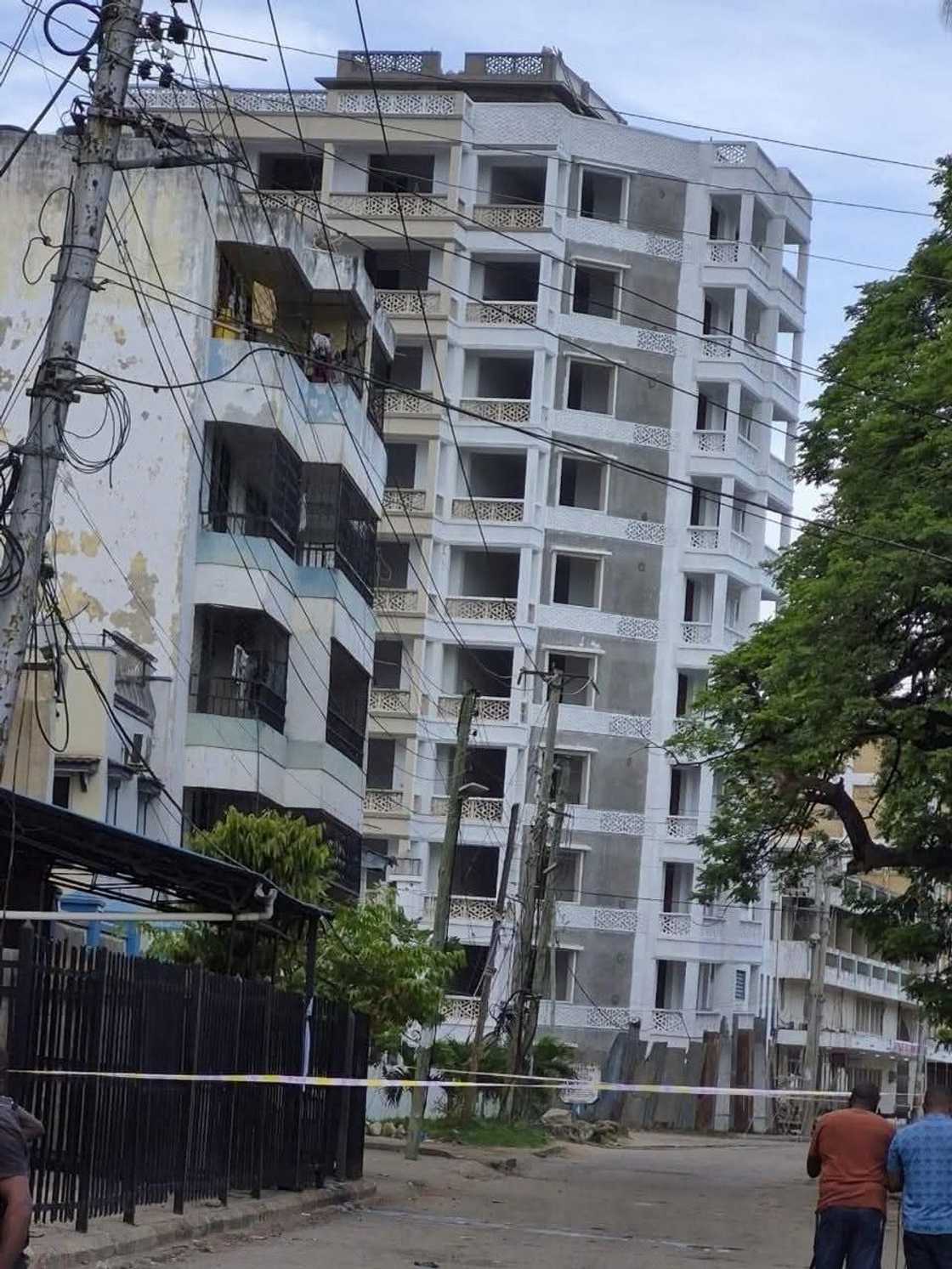
Today, the city of Mombasa witnessed a dramatic yet carefully orchestrated event: the controlled demolition of an 11-storey building located off Abdel Nasser Road. The structure, which had become a ticking time bomb due to severe structural weaknesses, was brought down in a matter of seconds by a team led by the Kenya Defence Forces (KDF), marking one of the most significant risk mitigation efforts in the region’s recent history. The demolition ended weeks of anxiety for residents and officials alike, who had feared an uncontrolled collapse that could have claimed lives and caused widespread destruction.

A Building on the Brink

The saga began on April 2, 2025, when cracks and signs of tilting were first observed in the building, situated near the Coast General Teaching and Referral Hospital in the Lighthouse area of Mombasa. Initial assessments revealed that the structure, originally approved for only nine storeys, had been extended to eleven, raising immediate questions about oversight and adherence to construction standards. More alarmingly, a multi-agency investigation pinpointed the root cause of the instability: unauthorized borehole drilling near the building’s foundation. This ill-advised activity had compromised the structural integrity, causing the ground-floor columns to collapse by approximately three meters and the building to sink, with the first floor effectively becoming the ground level.
Mombasa Governor Abdulswamad Sheriff Nassir described the situation as a “severe foundational compromise,” warning that the building posed an imminent threat to adjacent residential and commercial properties, as well as the nearby hospital. By April 3, residents in surrounding buildings were evacuated as emergency teams cordoned off the area, and plans for a controlled demolition were set in motion.

A Multi-Agency Response

The operation to bring down the building was a collaborative effort involving the KDF, the National Police Service (NPS), the National Youth Service (NYS), and the Mombasa County Government. The Ministry of Interior and National Administration, through the National Disaster Operation Center (NDOC), enlisted the KDF’s logistical and engineering expertise to ensure the demolition was executed safely. Defence Cabinet Secretary Soipan Tuya formalized the deployment via a gazette notice on April 7, citing the KDF’s constitutional mandate to assist civil authorities in times of emergency.
Governor Nassir announced a raft of precautionary measures ahead of the demolition, including the evacuation of residents within a 1.2-kilometer radius of the site by 6:00 AM on April 9. Nyali Bridge, a critical artery connecting Mombasa Island to the mainland, was closed to traffic, and schools and businesses in the vicinity were shuttered. Patients at the Coast General Hospital, including those in the ICU, were relocated to safer facilities, with authorities urging residents to leave windows open to mitigate the blast’s impact. Emergency teams, including fire engines and ambulances, were stationed on standby, while security was bolstered by a multi-agency presence.

The Demolition: A Moment of Relief

A single, powerful explosion reverberated through Mombasa as military engineers detonated strategically placed explosives. Within seconds, the 11-storey structure crumbled into a heap of rubble, sending up a cloud of dust that took about an hour to settle. Videos circulating online captured the dramatic moment, with the loud thud startling birds into flight but leaving nearby buildings unscathed—a testament to the operation’s precision. No casualties were reported, and after the dust settled, KDF officers gathered atop the debris, breaking into song and applause to celebrate a job well done.
Governor Nassir had warned residents not to be alarmed by the loud bang, assuring them that “all necessary safety measures have been observed.” The successful demolition brought an end to what he had called a “ticking time bomb,” a sentiment echoed by Mombasa County Commissioner Mohammed Noor, who praised the multi-agency coordination for ensuring public safety.

The central dilemma? How to deal with your child suddenly announcing they want to be the next MrBeast instead of, you know, a respectable accountant. “How do we bridge that gap?” PS Omollo pondered, “where parents start to open up and see opportunities that are unconventional in terms of education?” It’s a valid question. After all, explaining to your grandma that your career goal is “going viral” is a recipe for a very awkward Christmas dinner.

Dr. Omollo, ever the diplomat, stressed that education is still really important. “I think education still remains that big thing because without it, you actually lose the entire society,” he stated. Which, fair enough. We don’t want a society run entirely by people who can only communicate in emoji. However, he also wisely acknowledged that learning isn’t just about memorizing dates and formulas anymore. Thanks to the magic of the internet, you can now get a degree from a prestigious university while wearing your pajamas.

His advice for parents? Talk to your kids. Actually listen to them. Find out why they want to spend their lives filming themselves unboxing toys or whatever it is the kids are doing these days. As PS Omollo explained, using a very relatable personal anecdote: “I am a scientist, so why would I want my son or my daughter or my nephew or my niece to also be a scientist? Part of it will be maybe they need to look at how I do my things, how I carry myself, and then they were like, ‘Okay, I would want to be like you,’ or ‘I would want to be like so and so.’ And from there, then you can have a conversation on what it takes to get there.” So, basically, if your kid wants to be like you, you’re doing something right (or very, very wrong).

PS Omollo also gave a shout-out to educational institutions for trying to keep up with the times. They’re adding more practical learning, which is good news for anyone who’s ever wondered when they’d actually use algebra in real life. The goal, he says, is to let talented kids pursue their passions while still, you know, getting some kind of actual education.

But here’s the bottom line: while being open-minded is key, PS Omollo also emphasized the importance of parental guidance. “Not everything a child says we just have to accept it because the world has changed,” he wisely cautioned. “We must be able to insist on certain things, but with some level of measure.” So, maybe don’t let your kid drop out of school to become a professional video game streamer just yet. Unless, of course, they’re really good. Then, maybe… just maybe… you can start looking into sponsorship deals.


Grammys Reject Claim of $500 Million Payment from Kenyan Government

In a significant development that has sparked widespread debate and scrutiny, the Recording Academy, which organizes the Grammy Awards, has categorically denied receiving a payment of Ksh 500 million from the Kenyan government for the right to host the prestigious music event.

President William Ruto recently announced during a public address that Kenya had made a substantial financial commitment to host the Grammys, stating, “The money for the Grammys, we already paid… we already paid Sh500 million.” This claim, however, was swiftly refuted by the Recording Academy.

According to posts on X, the Recording Academy clarified that they do not accept payments from governments for hosting their events, highlighting their status as a nonprofit organization dedicated to recognizing artistic excellence rather than as a venue for financial transactions. This rebuttal has led to an uproar on social media platforms, with Kenyans questioning the transparency and accountability of their government’s spending.

The controversy has raised eyebrows over the use of public funds, with many Kenyans expressing skepticism and demanding clarity on where the alleged payment was directed if not to the Grammys. Discussions on X have been rife with terms like “corruption” and “accountability,” as citizens and political commentators alike call for an investigation into the government’s expenditure.

The Kenyan government has yet to respond to these allegations, but the incident has fueled existing tensions regarding governance and financial management. President Ruto’s administration had previously emphasized investments in the creative economy to position Kenya as a cultural and entertainment hub. However, this claim’s rejection has cast a shadow over those ambitions.

The situation has also spotlighted the broader issue of governmental transparency in Kenya, with many online voices urging for a thorough audit of public spending. This incident coincides with ongoing debates about the allocation of national resources, particularly in light of other pressing domestic issues like healthcare, education, and infrastructure.

As the debate continues, the Kenyan public remains eager for an explanation from their leaders, hoping for clarity on whether this was a misunderstanding, a misrepresentation, or an indication of deeper issues within the management of public funds. The rejection by the Grammys has not only embarrassed the administration but has also intensified calls for better governance and financial oversight.

This controversy underscores the importance of transparency in government dealings, especially when it involves significant sums of money intended for cultural or international prestige. The Kenyan populace, increasingly active on social media, is demanding answers, and the government’s next steps will be closely watched.

Love, Pain and Inspiration: Here Are The Topics Africa’s Podcast Community Loved in 2024

Podcasts are one of Africa’s favourite ways to tell stories. With almost 4 billion minutes of podcast audio played in Sub-Saharan Africa in 2024, the continent’s appetite for this content is loud and clear.


South Africa, Nigeria, and Kenya listened to the most shows this year, with South Africa contributing over two billion minutes. If you started playing podcasts on one device today, it would make for about 30 centuries of listening.


“The numbers don’t lie. Podcasting is here to stay because it lets creators take control of their narratives and tell these stories on their terms while bringing their community along for the journey,” says Ncebakazi Manzi, Spotify’s Sub-Saharan Africa Podcast Manager.


Podcasts are personal, but trends do exist across the continent’s leading markets and beyond.


Faith, spirituality and motivation through audio


Motivational shows around issues like managing finances, relationships, personal goals and health remain popular across the three leading countries. Shows like “The Diary Of A CEO with Steven Bartlett”, “Motivation Daily by Motiversity” and “The Success Addicted Podcast” have attracted listeners who want to get their lives in order and learn from the stories of inspirational people.


Audiences in Nigeria and South Africa embrace shows about spirituality. “Christian Motivation” had one of the most shared episodes in South Africa while “Apostle Joshua Selman” maintained his popularity in Nigeria for another year. As the continent’s second-largest podcast market, Nigeria listened to 700 million minutes in 2024 and it created half of the new shows published in Sub Saharan Africa this year.


Even though spirituality dominated Nigeria’s top charts, the continued popularity of shows like “I Said What I Said” and “The HonestBunch Podcast” tell us that listeners also want conversation-style shows. Listeners in Kenya and South Africa also showed an affinity toward these shows.


A good laugh with friends


The “ShxtsnGigs” podcast, an opinion show hosted by two best friends James and Fuhad, tapped into audiences’ hunger for conversational shows. The humorous podcast has made its way to the top charts in six of the top 10 podcast-playing African countries. In Kenya, The 97s Podcast has been inspired by this approach where funny and frank chats between hosts Trevor, Frank and Dante have led the podcast to take the number-one spot in the country for the first time.


Kenya’s broader listening data shows that relationships are a meaningful taking point. Seven of the 10 most shared episodes in the country discuss love, sex lives and dating. Julia Gaitho’s “So This Is Love” holds three out of the top five most shared podcast episodes in the country. Her interviews resonated because she draws lessons from her guest’s stories about lost lovers.


Some listeners just wanted to laugh through the pain. Ensemble shows like “Mic Cheque Podcast” and “The Sandwich Podcast” made Kenyans feel like they were hanging out with a close circle of friends. When difficult topics come up, moments of infectious laughter help lighten the mood.


Women creators like Murugi Munyi, Julia Gaitho, Sharon Machira and Lydia K.M. take this comedic approach to a new level on shows like “The Messy Inbetween” and ‘It’s Related, I Promise’. This genre contributed heavily to the country’s 400 million podcast minutes streamed in 2024.

The Tragedy at Zetech University: A Wake-Up Call for Change

In the quiet morning of December 11, 2024, the academic community of Zetech University was shaken by the heart-wrenching news of a student, Ryan Kitari, taking his own life. This incident not only leaves a void in the lives of those who knew him but also casts a long shadow over the systemic issues within our educational institutions that demand urgent attention.


Ryan, a 21-year-old student, was found dead in his apartment in Witeithie, Nairobi. In a poignant and revealing suicide note shared through his social media, he detailed his struggles with financial hardships, academic pressure, and personal traumas. His note highlighted a failing system where students, particularly those from less privileged backgrounds, are pushed to their limits without adequate support. He pointed fingers at a lecturer, blaming her for his academic setbacks, which he felt were unjust and contributed significantly to his despair.


This tragedy underscores several critical points about the state of mental health and student support in higher education:


The Pressure of Perfection

The narrative of success in academia often revolves around perfection and relentless achievement. For many students, like Ryan, the pressure to excel academically while managing personal and financial challenges can be overwhelming. The educational system must recognize that students are not just academic beings but individuals with complex lives outside the lecture halls.


Inadequate Support Systems

Ryan’s case brings to light the dire need for robust mental health support systems in universities. While many institutions have counseling services, the availability, accessibility, and effectiveness of these services are often questioned. There’s a pressing need for universities to not only have these services but to ensure they are proactive, visible, and culturally sensitive to the diverse student body they serve.


The Role of Educators

The accusation against the lecturer in Ryan’s note cannot be ignored. Educators hold significant power in shaping the academic journey and, by extension, the mental health of students. There should be a continuous evaluation of teaching practices, ensuring that they do not inadvertently become barriers to learning but instead foster an environment where every student can thrive.


Financial Struggles

Ryan’s situation also points to the broader issue of financial stability for students. The cost of education, combined with living expenses, often leaves students in precarious financial positions. Universities, alongside government bodies, need to explore and implement more comprehensive financial aid options, work-study programs, and emergency support systems to alleviate the burden on students.


The Stigma of Seeking Help

There’s an undercurrent of stigma associated with mental health issues, making students hesitant to seek help. Universities must cultivate an environment where discussing mental health is normalized, and seeking assistance is seen as a strength, not a weakness.


In the aftermath of this tragedy, Zetech University and indeed all institutions of higher learning must look inward. This isn’t just about one student’s story; it’s a clarion call for systemic change. We must ask ourselves:


  • Are we providing an environment where students can voice their struggles without fear of retribution or failure?
  • How can we better integrate mental health education into our curricula to prepare students for life’s challenges?
  • What measures can we take to ensure that no student feels so cornered by academic or personal issues that suicide seems the only escape?


Ryan’s story should not be the end but the beginning of a conversation, of reform, and of a collective commitment to safeguarding the mental well-being of every student. It’s a call to action for universities, educators, policymakers, and society at large to rethink how we support our youth through the transformative years of higher education. Only then can we hope to prevent such tragedies from recurring, ensuring that our campuses are places of learning, growth, and, above all, safety.