
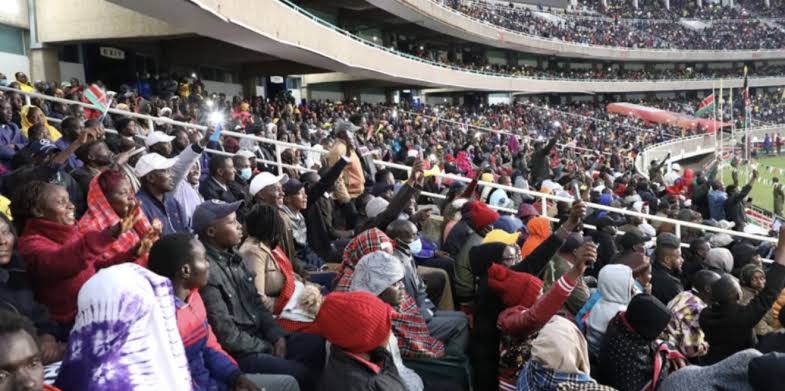
Government, Private Sector to Develop National Framework on Event Security and Disaster Management

The Government will partner with the private sector to strengthen security and disaster preparedness for major events across the country.

The move follows a meeting at Harambee House between the Ministry of Interior and the Kenya Private Sector Alliance (KEPSA).

Internal Security and National Administration Principal Secretary Dr Raymond Omollo and KEPSA Security Board Chairperson Annette Kimitei led the engagement, which brought together representatives from the Events Managers Association of Kenya (EMAK) and the Bouncers Association of Kenya.

The discussions focused on improving the security of businesses, conferences, sporting tournaments, political gatherings and other large-scale events.

In a joint statement issued after the meeting, the two sides agreed to establish a multi-stakeholder working group under the leadership of the Internal Security Principal Administrative Secretary.

The team will develop a national event safety and security framework and set minimum safety standards for different categories of events.

The proposed framework will guide event planners, security firms, venues and public authorities.

It will outline requirements on crowd management, medical preparedness, fire safety, counter-terrorism coordination and post-event reporting.
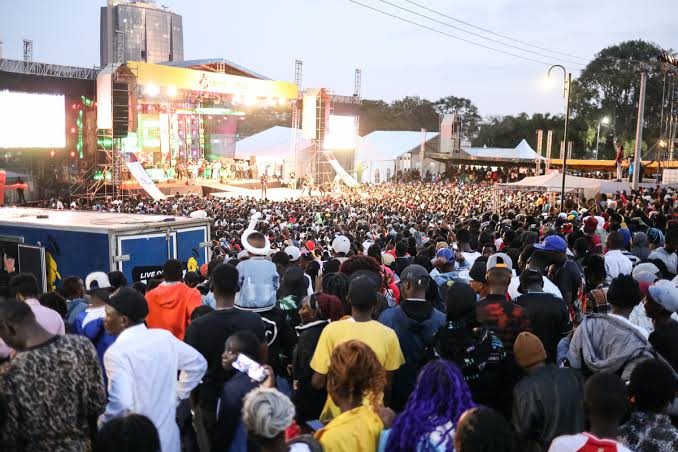
The Nairobi Festival 2023 held in Nairobi, Kenya. (Image: Files)

Stakeholders noted that security planning has often been treated as a secondary consideration in event organisation.

Under the new approach, formal risk assessments will be required before approval of large gatherings.

Organisers will also be expected to demonstrate coordination with police, ambulance services and fire departments.

The partnership will further focus on improving crowd control and ticket management systems, training of security personnel and strengthening medical emergency response during events.

Other areas of collaboration include investment in infrastructure and technology, addressing counterfeit tickets and public health risks, and enhancing cybersecurity and data protection.

Officials said the initiative is aimed at ensuring that events – which contribute significantly to tourism, employment and business growth – are safe, well-coordinated and professionally managed.

The framework is expected to enhance coordination between government agencies, private security providers and event organisers, particularly as Kenya continues to host large-scale regional and international gatherings.

State And KEPSA Partner To Launch National Framework For Event Safety & Security

The Government will work closely with the private sector in securing key events and disaster management.

Speaking in a meeting between the Ministry of Interior and the Kenya, Private Sector Alliance (KEPSA), Internal Security and National Administration Principal Secretary, Dr Raymond Omollo and the lobby’s security board Chairperson, Annette Kimitei, at Harambee House, said conference tourism and events were vital to the country’s economy and their security as well as safety of participants were critical.

The KEPSA team including the Events Managers Association of Kenya (EMAK) and Bouncers Association of Kenya engaged the Principal Secretary to discuss security of businesses, conferences and events.

The two teams later issued a joint statement on partnership aimed at improving security management during key events.

Under the leadership of the Internal Security Principal Administrative Secretary, a multi-stakeholder working group will be constituted to develop a national event safety and security framework, and establish safety standards for various events.

The working group will also improve security coordination led by the PSRA among all events stakeholders including police, emergency services, and private security officers as well as strengthen risk assessment and disaster preparedness protocols.

“Tourism and events are a vital part of the economy. From international sporting tournaments and concerts to political gatherings, conferences, and community celebrations, events create jobs, attract visitors, and support thousands of businesses,” they said.

“The new initiative will involve government agencies, private security providers, event managers, sports organizations, and industry associations to ensure events are safe, well-coordinated, and professionally managed.”

The proposed framework will serve as a practical guide for event planners, security firms, venues, and public authorities. It will outline minimum standards for crowd management, medical preparedness, fire safety, counter-terrorism coordination, and post-event reporting. Stakeholders said they were concerned that security was often treated as an afterthought in event planning. Under the new approach, security planning will be given priority.

It was also agreed that large-scale gatherings would require formal risk assessments before approval. Organizers will be expected to demonstrate coordination with police, ambulance services, and fire departments.

The State-KEPSA partnership will focus on crowd management and ticket control, training of officers and medical emergency response. Others areas of collaboration include investment in infrastructure and technology, addressing counterfeits and public health risks, and cybersecurity and data protection.