
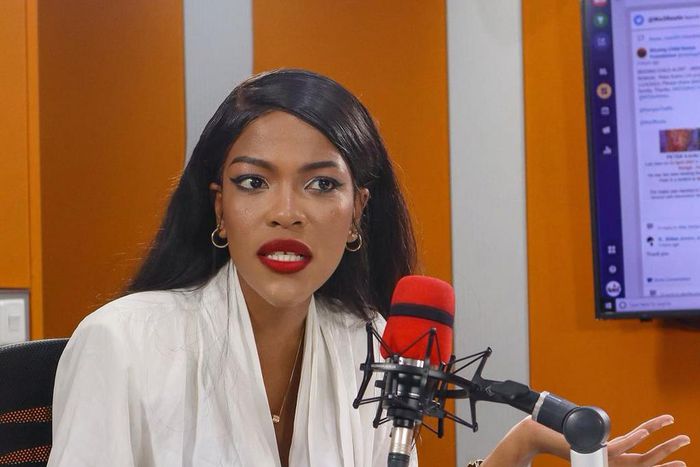
In a candid and polarizing conversation about modern dating and adulthood, TV host Laura Mbatha has revealed a rather unconventional preference when it comes to her ideal partner. Speaking during a recent interview on the Boxpod TV YouTube channel with co-host Kwambox, Mbatha admitted that she prefers dating men who no longer have parents, sparking an immediate conversation about independence, family dynamics, and the “mother-in-law” factor in relationships.
When asked directly on Wednesday, February 4, 2026, about her dating criteria, Mbatha didn’t hold back. “I prefer my men without parents,” she stated. When a surprised Kwambox pressed for clarification, asking if she meant she specifically looked for orphans, Mbatha doubled down: “Yeah, that is my ideal man. That is my ideal.” While the statement sounded harsh to some, Mbatha framed it within the context of total independence and the freedom from the complexities that often come with extended family involvement in a romantic union.
The discussion quickly shifted from the existence of parents to the physical distance from them. Mbatha argued that for men who do have parents, moving out of the family nest is a non-negotiable requirement for adulthood. She suggested that by the ages of 28 to 30, it is “about time” a man established his own household.
Kwambox Preference
Kwambox, however, set the bar even higher, suggesting that the “cut-off” age for a man living at home should be 25. According to Kwambox, leaving the nest is essential for personal growth, noting;
“Especially if you want to experience manhood, you have to be outside.”
Kwambox further argued that staying at home for too long can lead to a stagnation that might even become “dangerous.” She cited extreme news reports of domestic violence over trivial matters like food or money as a symptom of adult men feeling frustrated or entitled while living under their parents’ roofs. “I feel like there is an age you become a danger to your parents,” she noted, emphasizing that the struggle of independence is what builds character in men.
Interestingly, both hosts agreed on a significant gender double standard regarding this issue. While they were firm on men moving out early, Kwambox suggested that society is much more lenient with women. “For babes, I think you can live in your parents’ house for eternity,” she said, reflecting on how cultural roles have shifted. Despite acknowledging the current economic hardships many young Kenyans face, the duo maintained that no woman is truly “raised” to settle down with a man who still lives with his mother, even if they don’t necessarily view it as a “bad thing” in a vacuum.