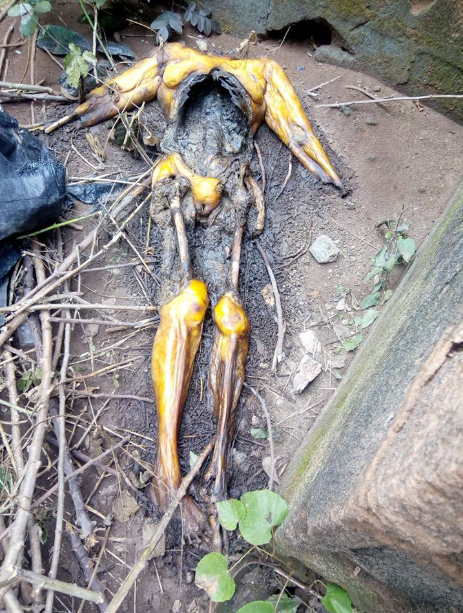
Nigeria has been ranked the third-largest consumer of dog meat in the world, according to findings by the Dog Friendly Country Index.
The report places South Korea at the top of the list, followed by Vietnam, with Nigeria coming in third globally. The ranking has sparked renewed debate around cultural practices, animal welfare, and evolving attitudes toward pets across different regions.
Cultural and Regional Context
Dog meat consumption in Nigeria is largely concentrated in specific communities and regions, where it is regarded as a traditional delicacy. In some areas, it is served at social gatherings and is believed by certain consumers to have health or medicinal benefits.
However, the practice remains controversial, particularly in urban centres where changing lifestyles and increased pet ownership have reshaped perceptions of dogs — from livestock or food sources to companion animals.
Global Conversation on Animal Welfare
The Dog Friendly Country Index evaluates countries based on various indicators, including attitudes toward dogs, legal protections, and reported consumption patterns. While some nations have introduced stricter animal protection laws or outright bans on the dog meat trade, others continue to grapple with balancing cultural traditions and global animal rights advocacy.
South Korea, which tops the index, has in recent years taken steps toward phasing out the dog meat industry amid shifting public opinion. Vietnam has also faced mounting pressure from animal welfare groups, particularly in major cities.
Nigeria’s ranking highlights the ongoing complexity of the issue, where tradition, economics, and personal beliefs intersect.
Changing Attitudes
Despite the report’s findings, attitudes toward dogs in Nigeria are not uniform. Pet ownership is rising in major cities such as Lagos and Abuja, with veterinary services, grooming businesses, and pet-related industries expanding steadily.
Animal welfare organisations within the country have also been advocating for stronger protections and greater awareness around humane treatment.
The index’s latest ranking is likely to intensify conversations about cultural practices, regulation, and the future of the dog meat trade both in Nigeria and globally.