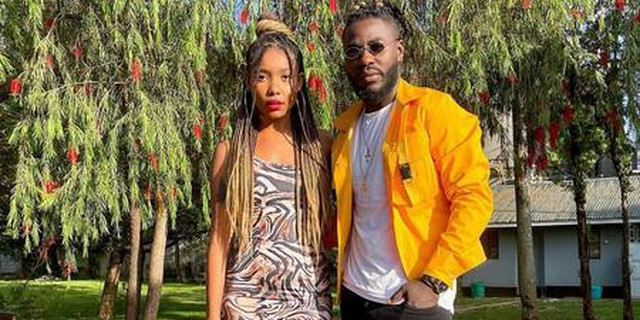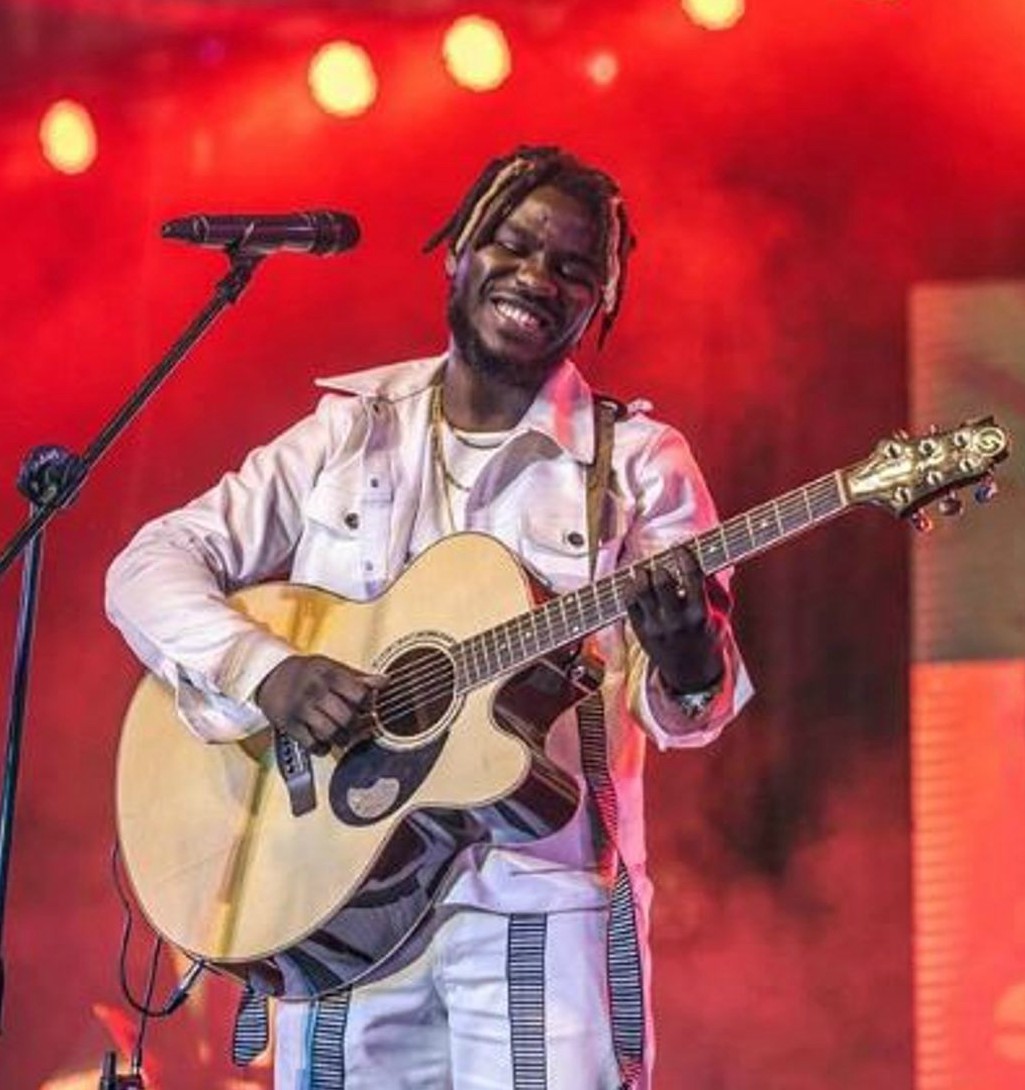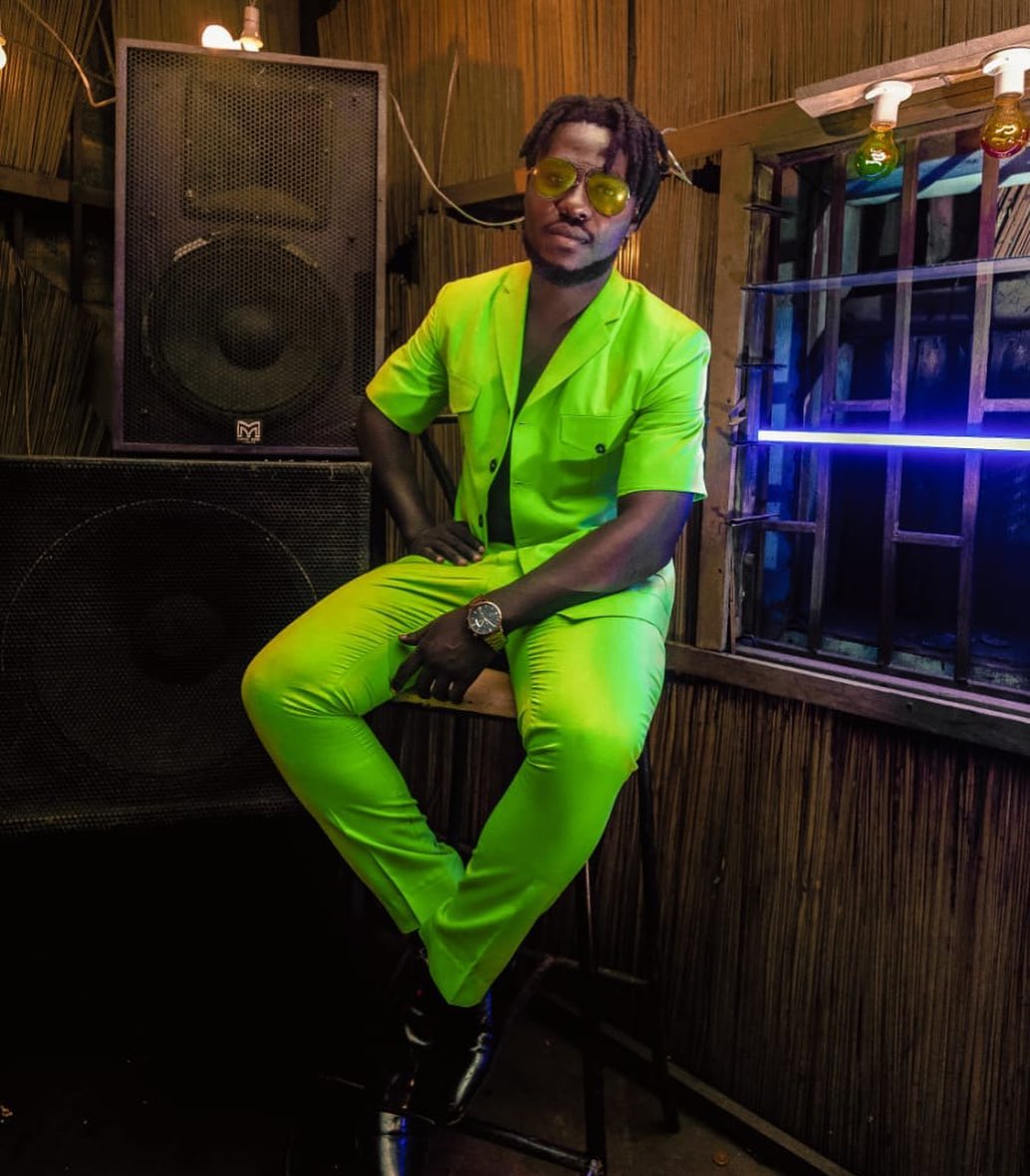
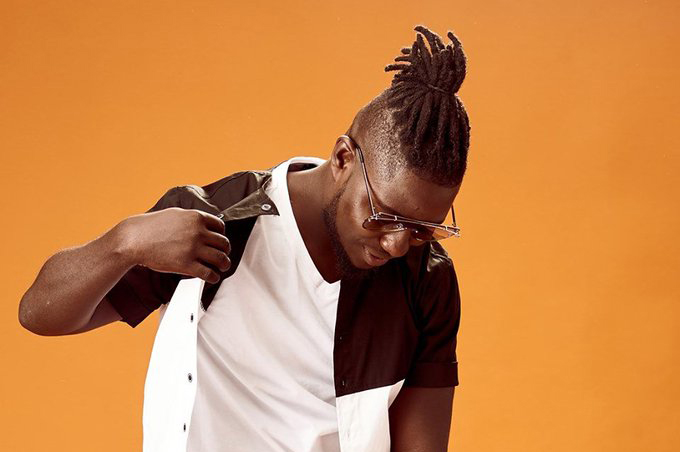
Nviiri Sande, widely known as Nviiri the Storyteller, has taken a bold stand in support of the government’s proposed ban on alcohol promotions by celebrities and influencers. Breaking away from the norms of celebrity marketing culture, Nviiri shared a personal moment of reckoning that sparked his shift in perspective.
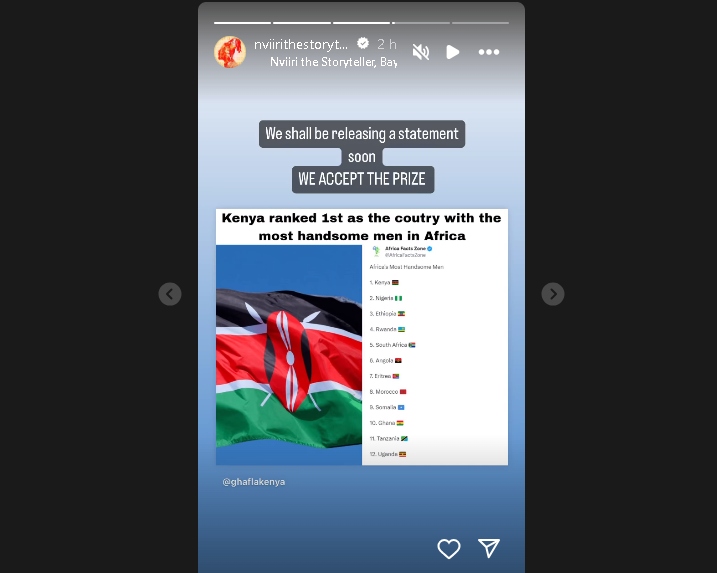
In an emotional Instagram Story posted on Monday, July 14, the Sol Generation artist revealed that a past alcohol promotion he participated in left him with deep regret—particularly after witnessing its real-life impact during a campaign in Kayole.
“Chochote ambacho hakiwezi muinua mwenzako usije ukamdanganya ni kizuri… Tujifunze kuishi kwa ukweli,” he wrote.
(Translation: Don’t promote something that doesn’t uplift others—let’s learn to live truthfully and stand by our values.)
Government Crackdown on Alcohol Advertising
Nviiri’s post comes as the government, through NACADA (National Authority for the Campaign Against Alcohol and Drug Abuse), moves forward with sweeping reforms aimed at curbing underage and irresponsible drinking in Kenya.
Among the key proposals under the newly approved National Policy on the Prevention of Alcohol, Drugs and Substance Use (2025):
-
Raising the legal drinking age from 18 to 21
-
Banning alcohol ads during children’s shows and school-related events
-
Prohibiting celebrities and influencers from promoting alcoholic beverages
The Cabinet approved the policy on June 24, citing rising concern over youth alcohol abuse. A recent NACADA 2025 survey found that 87.3% of university students in Kenya consume alcohol—often through informal, unregulated sources.
Mixed Reactions from the Music Industry
While many applauded Nviiri’s integrity and willingness to speak out, not all voices in the entertainment industry share his view.
Fellow Sauti Sol member Bien-Aimé Baraza pushed back against the proposed ban, cautioning that overregulation could stifle creativity and deny artists critical sources of income.
“We need smart, balanced regulation—not blanket bans,” Bien argued. “Many creatives survive through brand partnerships. Silencing them is not the solution.”
A Larger Conversation
Nviiri’s public reflection has added nuance to a growing national debate over the role of influencers and the ethics of brand endorsements—especially when it comes to sensitive products like alcohol.
His message resonates with a generation of Kenyans increasingly concerned about authenticity, mental health, and social responsibility in digital spaces.
While the final shape of the new alcohol policy remains to be seen, one thing is clear: influencers, artists, and policymakers alike are being called to rethink their roles in shaping public behavior—and the cultural values they promote.