Bonfacie King (M4J): The Artist Behind Bahati’s Early Steps Now Tells His Own Story

If you vibed to M4J back in the day, you probably asked the same question we all did: Na huyu jamaa alienda’ga wapi?

One minute, he’s all over the urban gospel wave – dancing, singing, mentoring half the artists who now dominate the playlists – and, the next – he’s just… vanished.

Well, turns out, Bonfacie King – singer, poet, video director and drone pilot – relocated to the United States.

He’s been down in the trenches, rebuilding identity, healing old beefs and serving God through music.

He speaks to Ghafla about his past, vision and challenges.

What’s the Beef with Bahati?

Kenyans never forget a good story, and the whispers never really died in regard to M4J’s fallout with Bahati – over rights to the ‘Bado Nangoja’ hit.

Bonfacie doesn’t flinch or dodge questions. He says:

I’m not beefing with Bahati. He’s still my brother. I forgave him long ago.”

Bonfacie has clearly stifled old wounds, considering his fiery diss track ‘Mtoto wa Diana‘ back in 2018.

Today, he speaks with the calmness of someone who has nothing left to prove in the industry.

Bahati is actually my son in the music scene. I mentored him back when we danced together in Bonebreakers.”

Why Did You Leave Kenya for the US? 

Before he left for the US, Bonfacie had already started withdrawing from the Kenyan gospel industry.

Not because he’d lost the passion – but, because the environment had become toxic.

He talks about DJs split into cliques, where your music played only if you aligned with certain camps. If you didn’t, best of luck breaking out.

Then came a wave of gossip that nearly suffocated his career:

“When I opened my business in the CBD, some DJs and promoters decided I shouldn’t be called for shows because I was ‘doing well in town’.”

Imagine being told you’re too stable to deserve bookings.

The behind-the-scenes shenanigans around then-trendy Groove Awards was especially disheartening.

“I’d submit my music year after year. They’d invite me to gala events, camps… but never once nominated me. Maybe bias, maybe hate. Only the artists in their circles got in ….”

Some of the musicians celebrated today are a work of my hands. I thank God for using me to usher them in – even though most have backslided now.”

(He doesn’t mention Bahati – but, hey – that one’s so far off the narrow path it’s no longer news!)
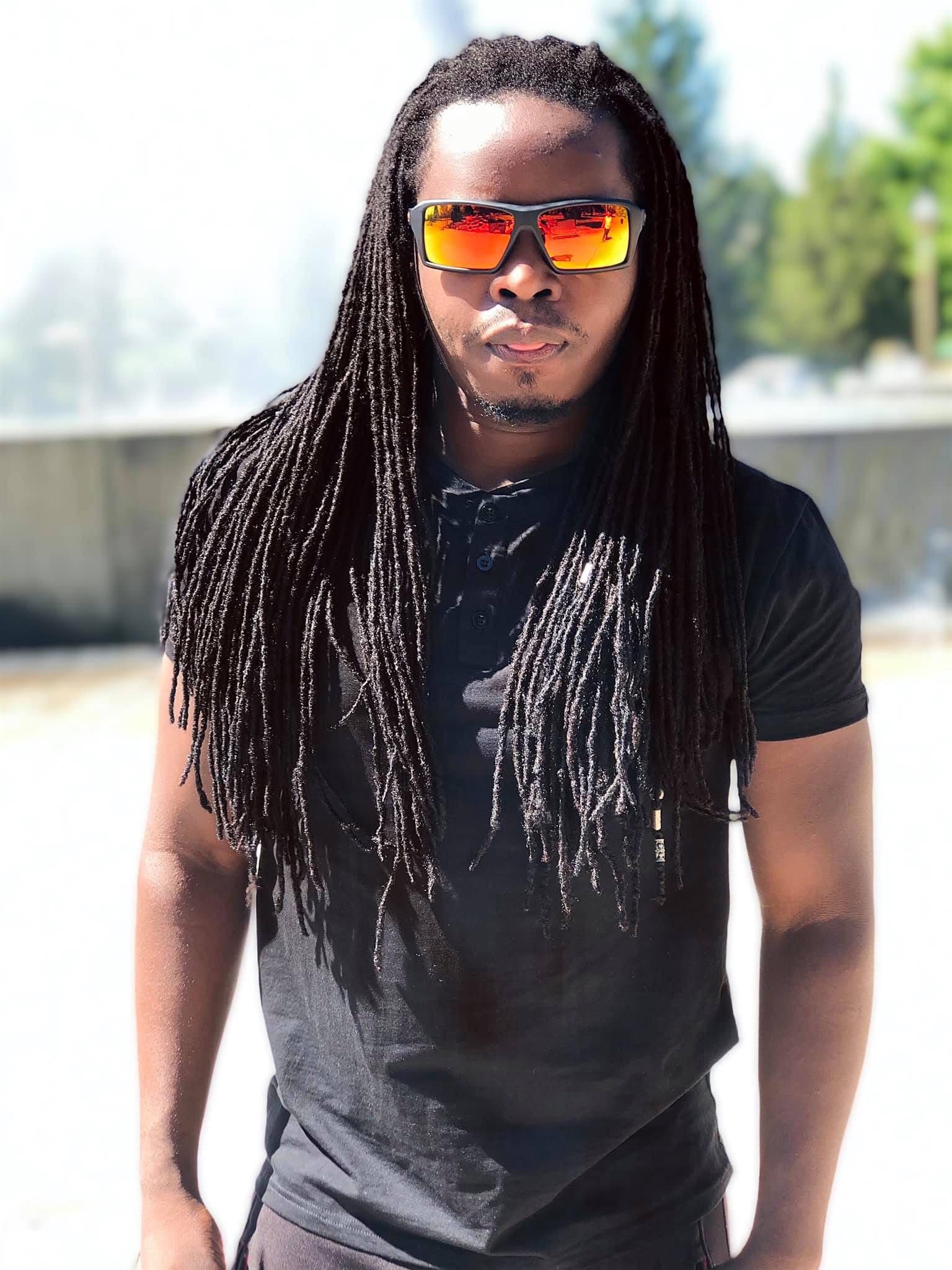
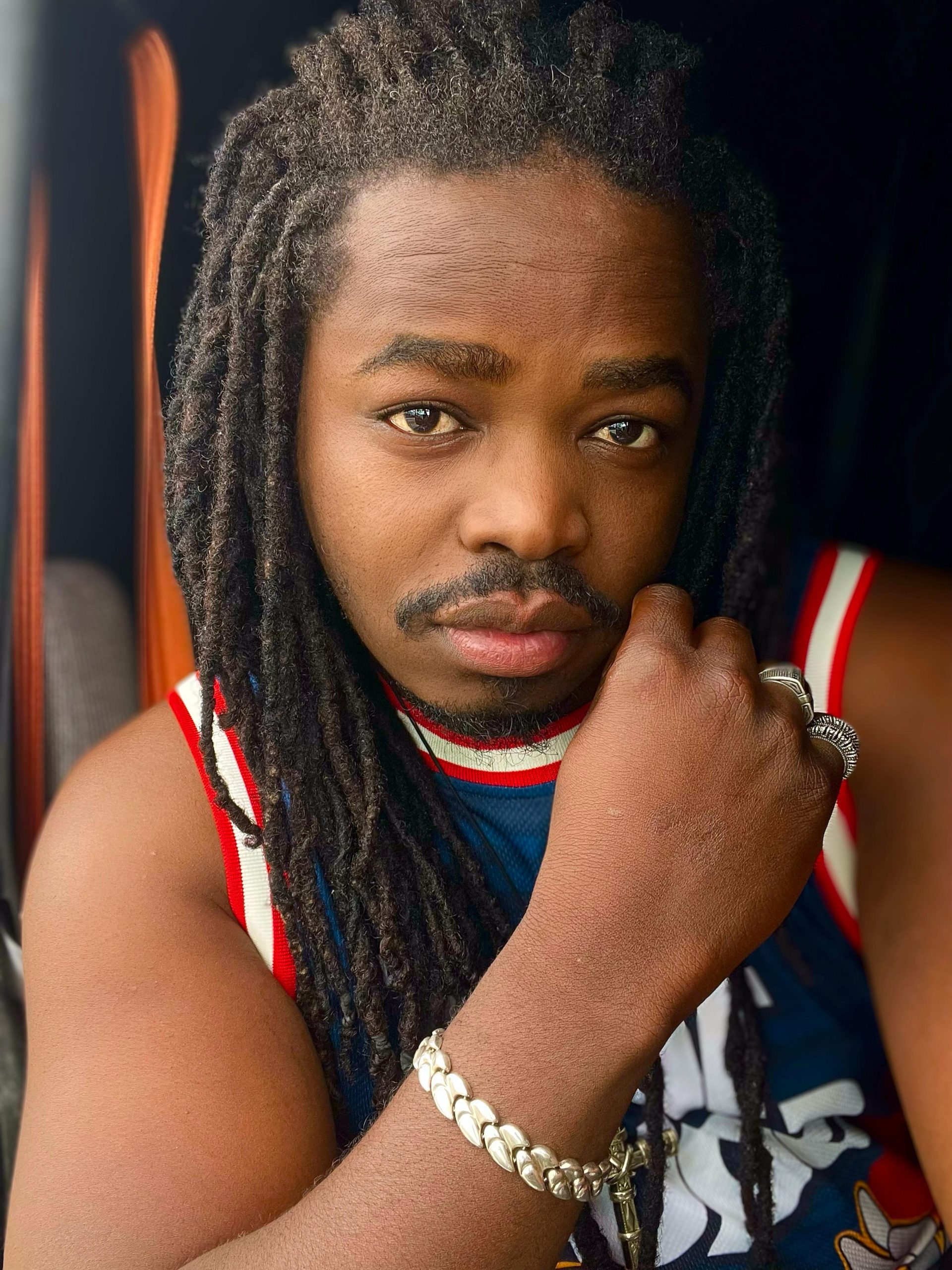
US-based Kenyan Gospel artist Bonfacie King, aka M4J (Image: Files)

Why Change of Names?

Bonfacie King insists that he didn’t drop the name ‘M4J’. It simply evolved.

“I’m still M4J – which stands for ‘Made for Jesus’. It’ll always be part of me. But Bonfacie King is my face for this new season.”

His sound has expanded, too.

He’s moved from the Swahili-Bongo style of the early 2010s to Afrobeat/Afropop with a global polish.

Most of the album ‘Kingdom Come’ is in English – not for trends, but because that’s how the songs came to him.

You just write music the way it composes itself.”

He’s versatile, showing tangible promise across the genres.

Kingdom Come: The Album 

What’s really striking about the album is its intention. This isn’t “gospel for radio”, per se It’s gospel for the soul – the wounded.

The hits “Hulalala” and “Mirror” speak to people dealing with low self-esteem, rejection or that silent heaviness life sometimes throws at you.

There’s the gospel ballad “Champion” – M4J wrote it especially for children growing up with single parents, or those battling emotional gaps at home.

“I’d want them to know they are champions. Period.

It’s simple, easy to sing along but very powerful – exactly the kind of message missing in the current gospel landscape.

Is this Your Return to the Gospel Scene? 

Kingdom Come is now streaming everywhere including TikTok.

Bonfacie promises that this is only the beginning.

There’s more music, visuals and collaborations lined up.

I’m not coming back to chase clout. I’m coming back to reconnect with the people who believed in and supported my music, without the sideshows…”

The gospel scene in Kenya has lately lost the oomph – with contemporary artists dropping off the bandwagon to join the secular train – Bonfacie’s re-entry will definitely stir it up.

Sample the song ‘Mirror‘ here – a portal to an inspiring Gospel heaven captured in the ‘Kingdom Come’ album…..
Msanii Foreman Marks a Spiritual Milestone with a New Gospel Album ‘Mungu Milele’

Msanii Foreman, the Kenyan‑born, US‑based artist, unveiled his new album Mungu Milele (God Forever).

The album arrives at a powerful turning point in his personal and creative journey – his spiritual and biological birthday.

It makes this release not just a musical venture, but a heartfelt dedication of gratitude and purpose.

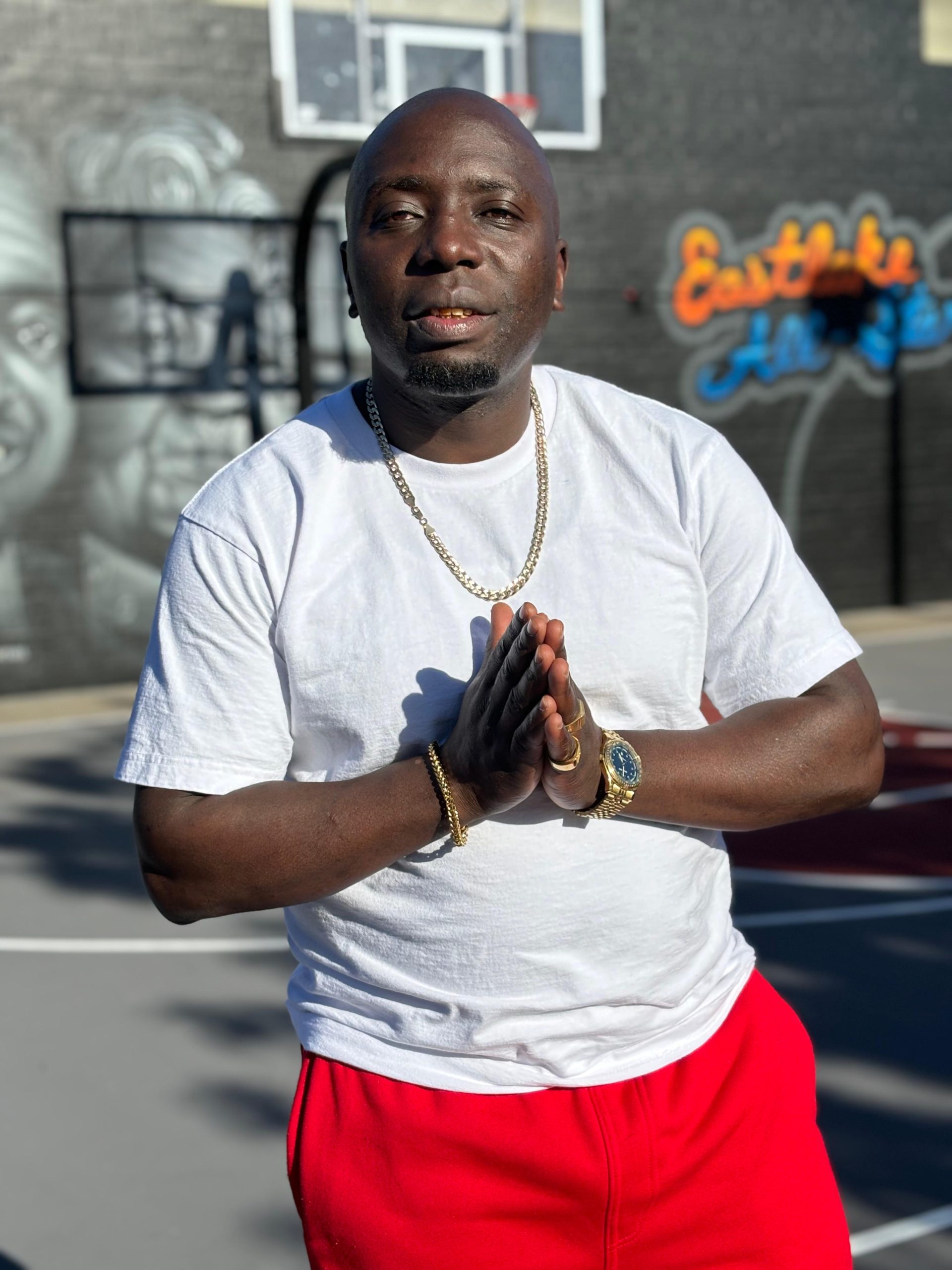
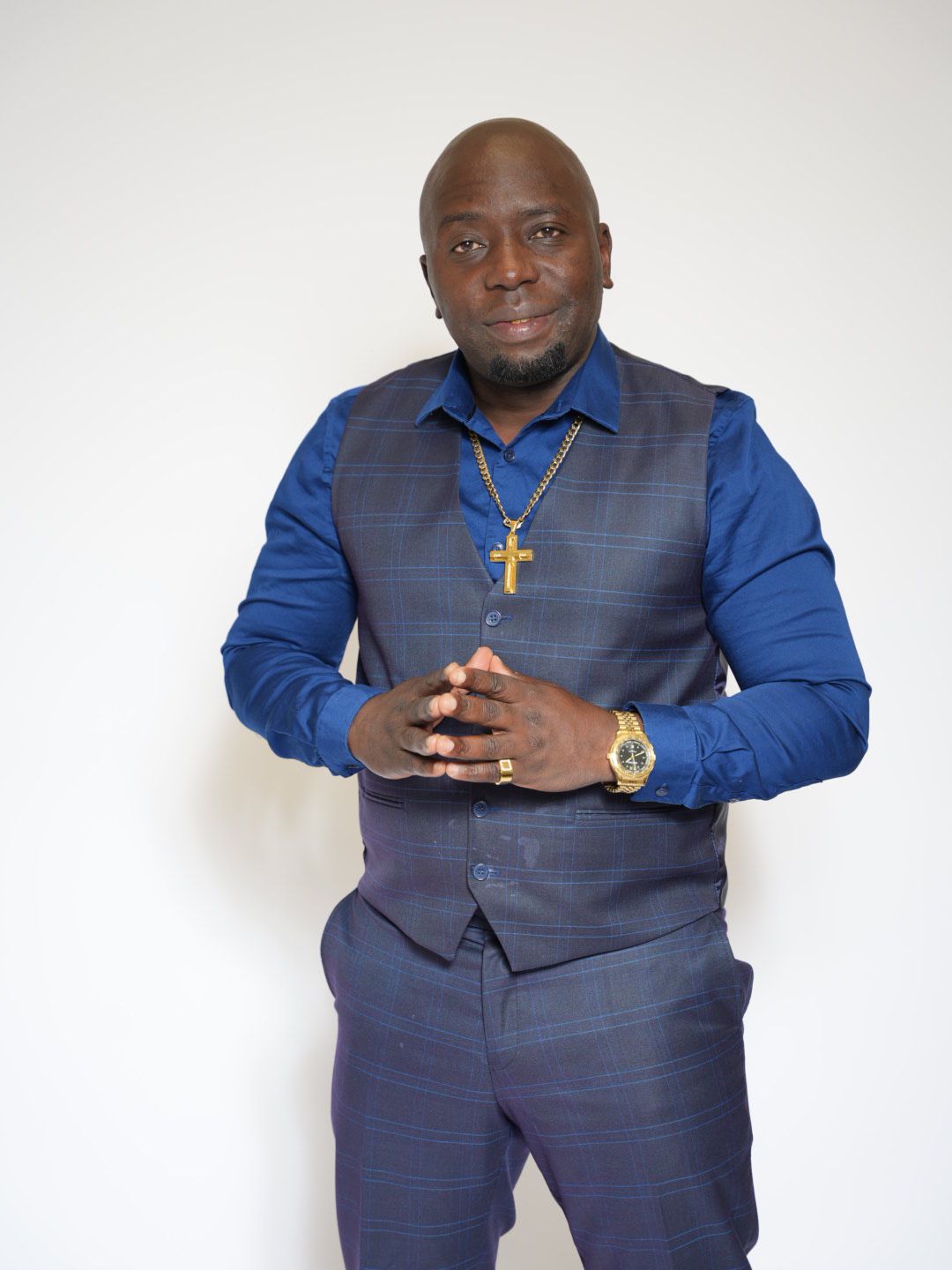
US-based Kenyan Gospel artist and performer Msanii Foreman (Image: Files)

Msanii Foreman, the Performing Artist

Long before the Mungu Milele album, Msanii Foreman had established himself as more than a singer.

He’s a dynamic gospel artist and philanthropist whose vibrant performances and evangelistic storytelling set him apart.

Foreman has built a reputation as an energetic entertainer with a message – that gospel music can move both spirit and feet .

After a period away from the spotlight, Msanii Foreman returned earlier this year with the Afro‑gospel anthem “Baba Unanibamba”, a poignant declaration of resilience from a personal battle with depression.

The song bore witness to healing and growth and became a platform for men’s mental health advocacy.

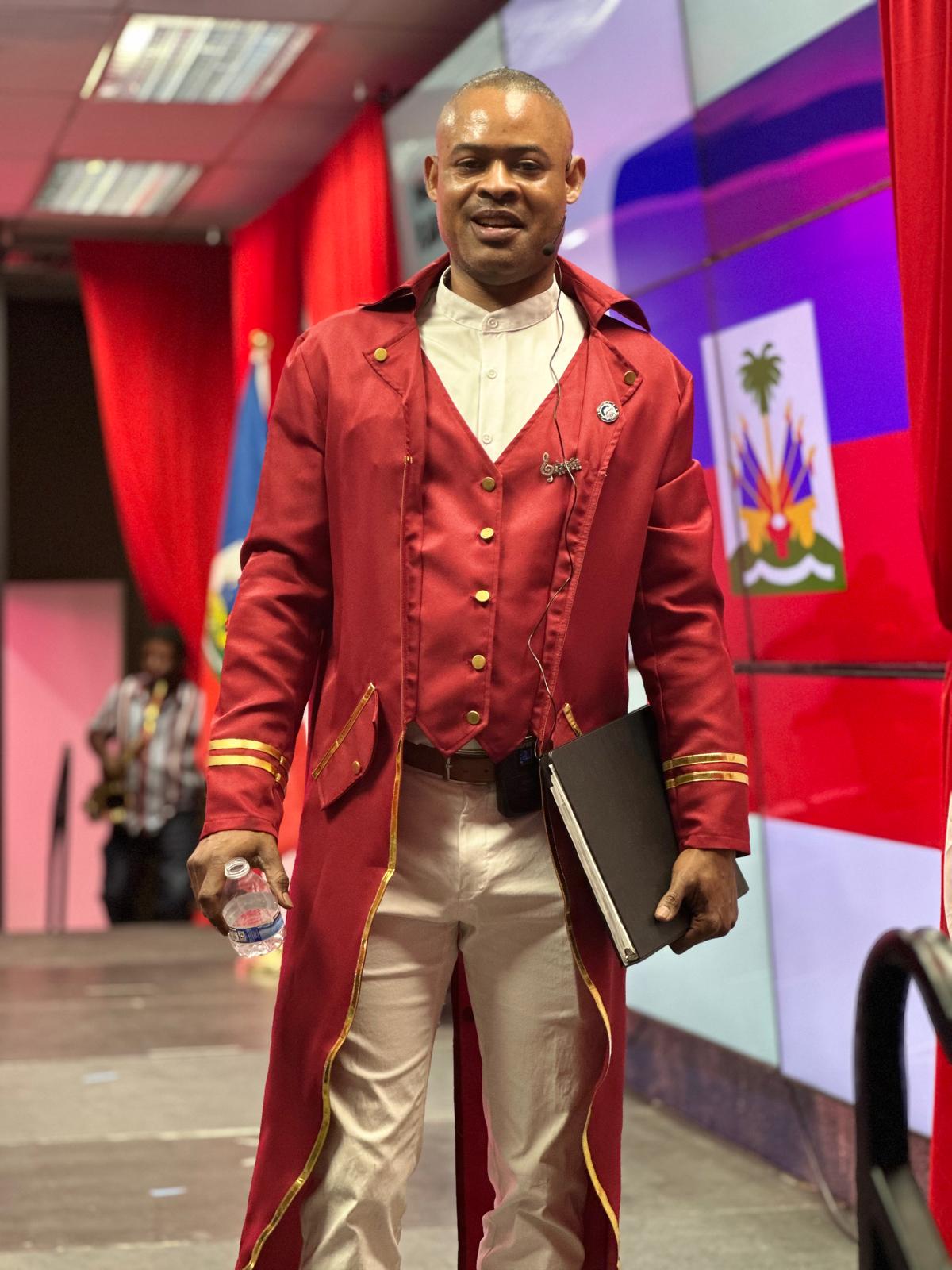
Ernst Maestro, Haitian artist features on the Mungu Milele album (Image: Files)

Collaborators on Mungu Milele Album 

Msanii Foreman brought together a beautifully diverse ensemble of voices on Mungu Milele, weaving in rhythms and testimonies across borders:

  • Erst Maestro (Haiti)
  • Moise (Congo)
  • Abudja Mwangale (Congo)
  • Anti Kolea (Liberia)
  • D Worship (Kenya, US-based)
  • Moabi Kotu (South Africa) – who previously collaborated with Foreman on the energetic hit “Kua Tayari

The production, too, is a testament to collaboration between seasoned producers Akwanga Jrii from Towdah Studios contributed and Sean On The Beat of Champions Music.

Recording took place with YYBY at Loss Leadas Studio in Mesa, Arizona, and the tracks were mastered by Vincent Otieno.

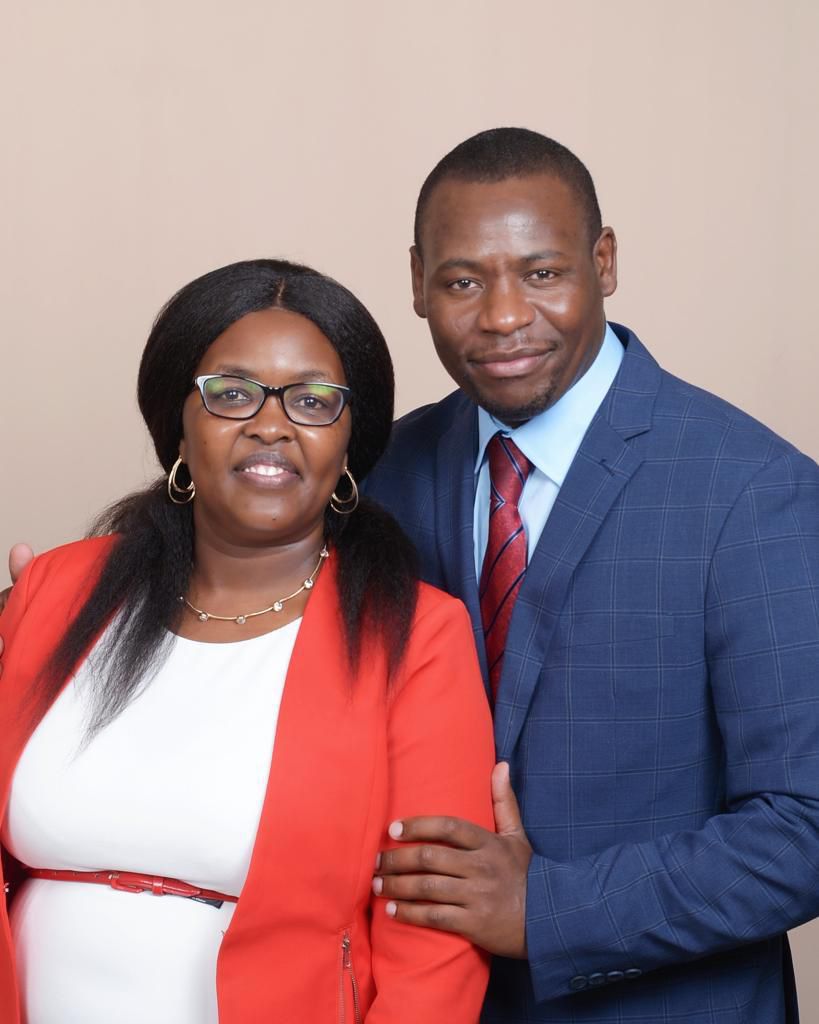
The album launch was held at the Jabbok Community Church under the leadership of Pastor Sam & Sarah Mwangi.

Pastor Sam and Sarah Mwangi of the Jabbok Community Church, Arizona (Image: Files)

A Testament of Faith in Music

This deeper-than-music release arrives at a crossroads of faith, creativity, healing, and testimony.

Msanii Foreman’s story combines his personal victories over mental health challenges, rekindled passion for ministry through song, and a spirit of unity across continents.

Mungu Milele is more than an album – it’s an offering of praise, hope, and a renewed vision for gospel music as a bridge between heart, mind, and soul.

Support and Networking

Fans can network and support Msanii Foreman’s musical journey – and he notes that his budget is tight – you can do so via CashApp: AZSRadio or Zelle: 6232198268.

Msanii Foreman Triumphs over Depression with a New Afro-Gospel Anthem ‘Baba Unanibamba’

When artists go silent, we often assume it’s the usual industry slump. But sometimes, silence is survival.

For US-based Kenyan artist Msanii Foreman, the year-long hiatus wasn’t just a break from music – it was a fight for his life.

A regular name in East African gospel circles under his record label W@zito Classic Entertainment, Foreman briefly stepped away from the limelight to wrestle with something far more personal: depression.

US-based Kenyan gospel artist Msanii Foreman during a past event in Arizona, US (Image: Facebook)

Triggered by a painful breakup and made heavier by the pressure of juggling med school and a quietly crumbling emotional life – Foreman disappeared – not from failure, but the need to focus on his mental health.

Now, with ‘Baba Unanibamba’ there’s an almost tangible feel of growth and musical maturity with this artist.

There’s an overbearing vibe of honesty – like, hey, I’ve been through the wringer but thanks to powers of the Most High, I’m back!

Produced by Sean OnTheBeat, the song is a rhythmic Afro-gospel jam built for both personal reflection and public celebration. Foreman’s vocals carry maturity – smooth, controlled and brimming with sincerity.

The hook, “Baba, unanibamba,” – loosely translates to ‘Father, you amaze me …’ – is a loop of praise and awe. While easy to sing along, it’s still weighty with meaning and gratitude for anyone who’s crawled out of the dark.

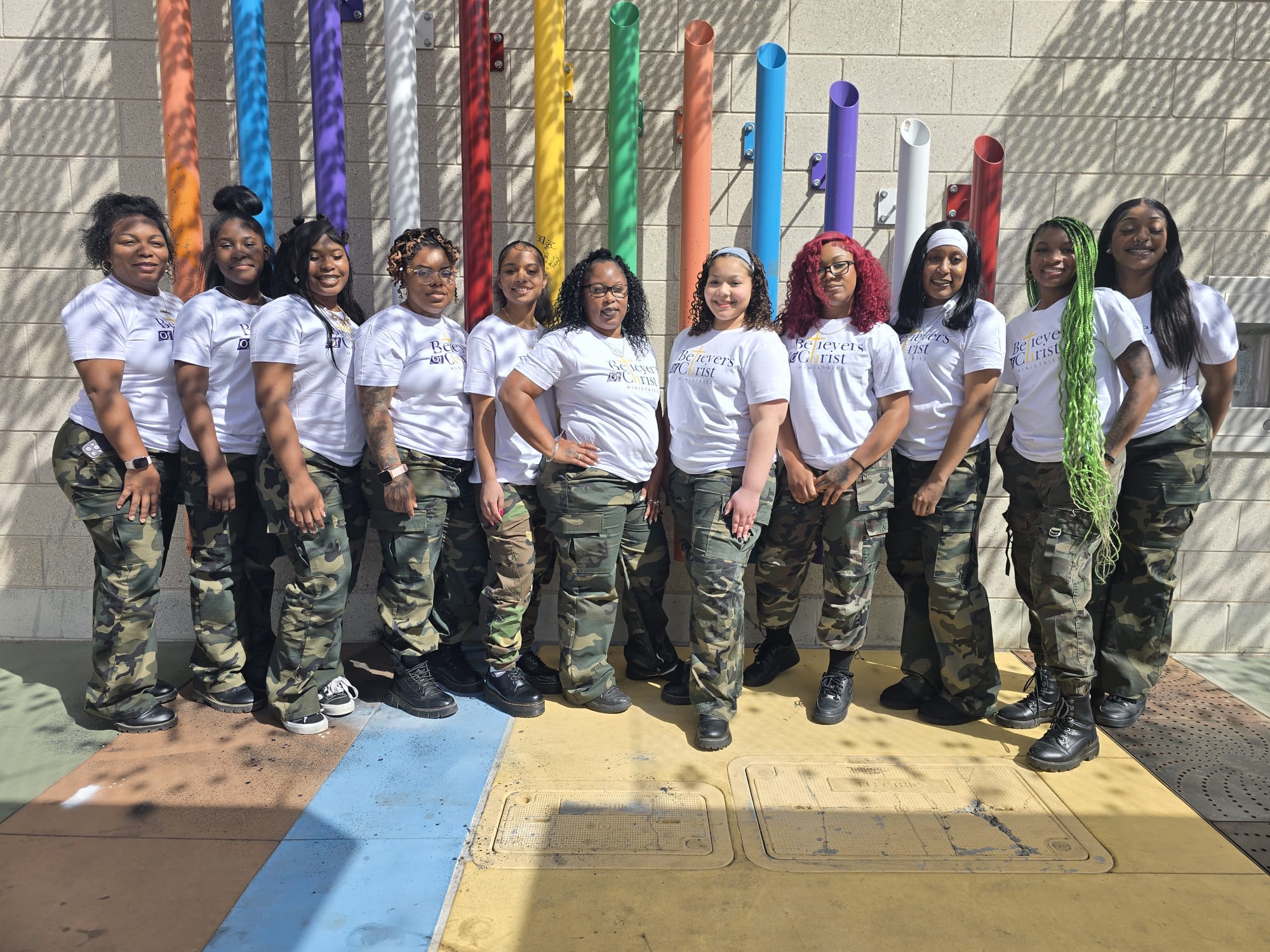
The dance crew on the set during the ‘Baba Unanibamba’ gospel hit shoot. (Image: Facebook)

The production feels grounded – no frills, unnecessary gimmicks. Just a tight blend of Afrobeat drums, melodic synths and an arrangement that does not cloud the message.

The video producer – Ona Tena- has gifted us with aesthetic therapy. It’s set on the street which brings a feel of youth, rebellion and self-expression.

Foreman and his crew’s choice of matching military fatigues is a creative nod to the spiritual warfare he’s been through.

The video choreography is sharp, bold, and purposefully unpolished – like real-life praise breaking through struggle. The energy, electric.

Msanii Foreman also brings a bigger message, for men: It is OK to talk about it – when things go wrong, expectations tank and lights seem to be deem. Do not be depressed, you ain’t alone.

In this regard, Foreman is launching an initiative aimed at sparking conversations around male mental health.

His own story becomes the platform – a testimony that it’s okay for men to feel, to struggle, to ask for help, and to heal out loud. This is artistry with intention. Music with ministry.

‘Baba Unanibamba‘ isn’t just a gospel comeback – it’s a defiant celebration of resilience, healing, and faith.

With powerful visuals, rich vocals, and a deeper mission to unearth the silent battles men fight daily, Msanii Foreman offers more than a song.

Here’s the link to the Afro-gospel hit, ‘Baba Unanibamba’!