Treasury CS Mbadi Explains Why Free Education Is Not Possible
Image: Cabinet Secretary for Finance John Mbadi explains the Finance Bill 2025 in a recent media interview. (Image: Files)Treasury Cabinet Secretary John Mbadi has delivered a sobering reality check to the nation regarding the feasibility of universal free education, citing severe budget constraints that make such a policy currently impossible. Speaking during an interview on Ramogi TV on Tuesday, February 3, 2026, Mbadi clarified that while public pressure for relief is mounting, the government’s role remains limited to subsidizing education costs rather than clearing them entirely. He emphasized that the national budget allocation for the education sector is simply insufficient to cover the total fees for all learners, leaving a significant balance that must still be met by parents.
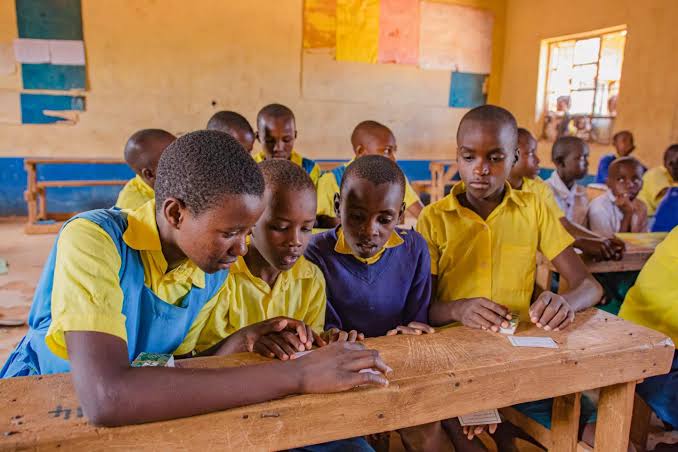
To illustrate the magnitude of the financial challenge, the Cabinet Secretary outlined the sheer scale of enrollment across the country’s learning institutions. With approximately 11 million learners in primary school and 4 million in secondary school, the subsidy bill alone is staggering. At the primary level, where each pupil receives a subsidy of Ksh 3,000, the total cost amounts to roughly Ksh 33 billion. In secondary schools, the government allocates Ksh 22,000 per student, which translates to a massive Ksh 88 billion annually. Mbadi pointed out that combining these two figures already pushes the education budget beyond recommended limits, even before accounting for the 650,000 students in universities and other tertiary institutions.
The Cabinet Secretary further broke down the actual costs of schooling to highlight the gap between government support and reality. He noted that boarding schools cost nearly Ksh 75,000 per child annually, while day schools cost around Ksh 35,000. Under the current framework, the government subsidizes only Ksh 22,000 for boarding students and Ksh 12,000 for day scholars, leaving parents to shoulder the remaining balance. Mbadi argued that even if the state attempted to turn all secondary schools into day schools to save money and then tried to clear their fees in totality, the move would still be unsustainable for the current education budget.
Mbadi’s cutting point
Addressing common suggestions for reform, Mbadi debunked the idea that consolidating various bursaries, such as the CDF and county funds, would provide enough capital to fund free education. He revealed that he had once entertained such a proposal but ultimately found it to be unviable. He cautioned Kenyans against comparing current demands to the legacy of former President Mwai Kibaki, noting that even the landmark free primary education policy of that era was limited in scope and did not extend to every child or every level of learning.
Ultimately, the CS argued that financing truly free education in Kenya would require a radical reallocation of funds from other vital sectors, such as health or infrastructure, a trade-off that the Treasury is not currently prepared to make.