‘Why Do You Need 35 Vehicles?’-Governor George Natembeya Challenges Excessive Presidential Motorcades
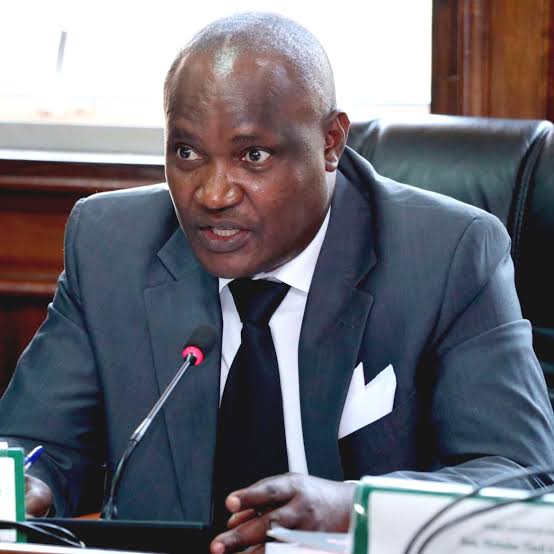
Trans Nzoia Governor George Natembeya has taken a bold stance against the culture of expansive presidential convoys and disruptive road closures, questioning if such displays of power align with the principles of leadership.
Speaking in an interview on Wednesday, March 11, 2026, the Governor voiced his concerns over the sheer volume of vehicles that accompany the Head of State to official events. He argued that these heavy motorcades do more than just inconvenience the public—they create a disconnect between the leadership and the citizens they serve.
“Is This Servant Leadership?”
Natembeya was particularly critical of the logistical impact these movements have on ordinary Kenyans. He questioned the necessity of having dozens of escort vehicles for routine engagements and lamented the common practice of halting traffic for nearly an hour.
The Governor highlighted the irony of a leader enjoying an empty road while the rest of the country remains stuck in man-made gridlock. He questioned why 35 vehicles are required for a small function and why roads must be cleared for 45 minutes for a trip from the airport, suggesting that such privilege contradicts the very idea of a leader being a servant of the people.
The Evolution of the Presidential Fleet
These remarks come at a time when the presidential motorcade has seen significant upgrades. A few years ago, President William Ruto integrated an armored Toyota Land Cruiser 300 series VX-R into his fleet.
This specific vehicle, valued at over KSh 23 million, is a highly specialized machine designed for 360-degree protection.
The 300 series joined an already formidable collection of vehicles, which includes several Land Cruiser 200 series, a Lexus 570, high-end Mercedes-Benz sedans, and the traditional presidential limousine. While these vehicles are essential for security, Natembeya’s critique suggests that the scale and execution of their movement on public roads may be due for a rethink to better respect the time and needs of the Kenyan public.