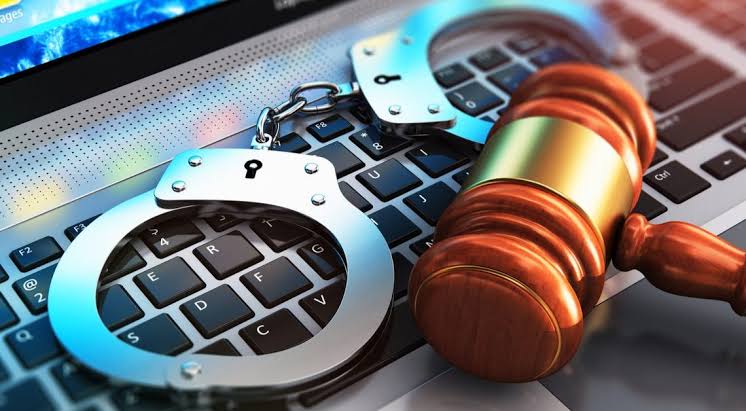
The internet in Kenya has become both a blessing and a battlefield.
You can open a business, pay bills, flirt, and get scammed – all before lunch.
Then the government dropped the new Cybercrime Law, in a strategy that seeks to bring some safety and sanity for internet users in Kenya.
Some called it censorship. Others said it’s long overdue.
How Necessary is the Cybercrime Law?
Kenya’s online life is on steroids.
We’re a country that buys, sells, jokes, and campaigns online.
M-Pesa runs our wallets, eCitizen runs our errands, and social media runs our opinions.
With that growth, came the darker side – fake job posts, crypto scams, catfishing, hacked school systems, and those “investment opportunities” that disappear faster than your bundles.
Between 2022 and 2024, cyber incidents shot from 158m to over 350m.
Schools, hospitals, and even small shops got caught in the crossfire. It was clear: the old 2018 law wasn’t cutting it anymore.
The new Computer Misuse and Cybercrimes (Amendment) Act, 2024 is Kenya trying to catch up – to protect people, thought it appears like an attempt to police them.
How Exactly Does it Protect Kenyans?
The first thing this law does is putting power in check.
No government officer or agency can just pull down your post or page without a court order.
Read that again.
It means gava can’t wake up one morning and decide they don’t like your tweet.
They have to go through a judge. That’s what they call judicial oversight – and it’s the law’s built-in seatbelt against abuse.
The law also fights the kind of online chaos we all know too well:
- Fake job adverts that steal your data,
- Online bullying and grooming,
- Fake news that spreads faster than facts.
- Digital fraud – from crypto traps to hacked M-Pesa accounts.
It even protects the big stuff: hospitals, power systems, and government data centres are now classified as critical infrastructure – meaning hackers targeting them can face serious time.
What Notable Features Are There?
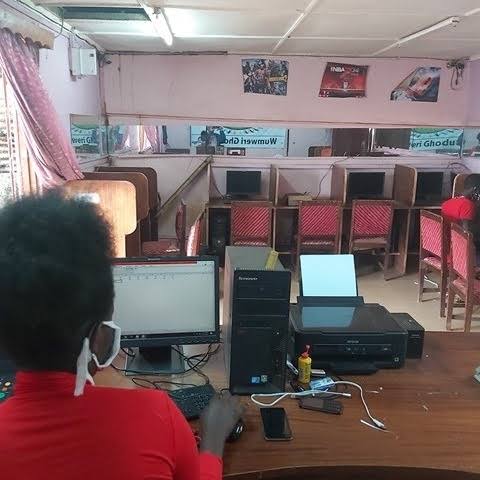
For most Kenyans, this law won’t stop how we post, share, or scroll.
What it changes is how safe we are while doing it.
If you get defamed online – you can now report it and actually get a fair hearing.
If your hustle page gets hacked – there’s a process to trace it and hold someone accountable.
If your kid is bullied online – there’s now legal muscle to protect them.
Basically, it gives power to citizens, not just government.
Because a safer internet isn’t about less freedom – it’s about more fairness.
It Doesn’t Open the Door For Abuse?
Any law touching the internet raises eyebrows – especially in a country that thrives on expression.
But, that’s where the court order clause comes in.
It’s the line between law and overreach.
No officer can knock on your digital door without a judge’s say-so.
No takedown without a signature.
No surveillance without a reason.
That’s not control – that’s structure.
Kenya’s Digital Future
The internet moves fast – laws can’t afford to crawl.
This Cybercrime Law is Kenya’s attempt to match the speed of tech with the sense of justice.
Will it solve everything?
Probably not.
But it’s a start – one that protects your voice, your data, and your digital hustle from bad actors.
Because at the end of the day, a free internet only works when it’s safe too.