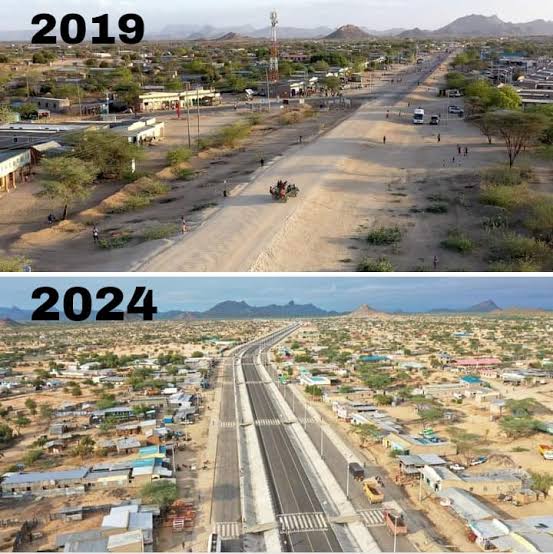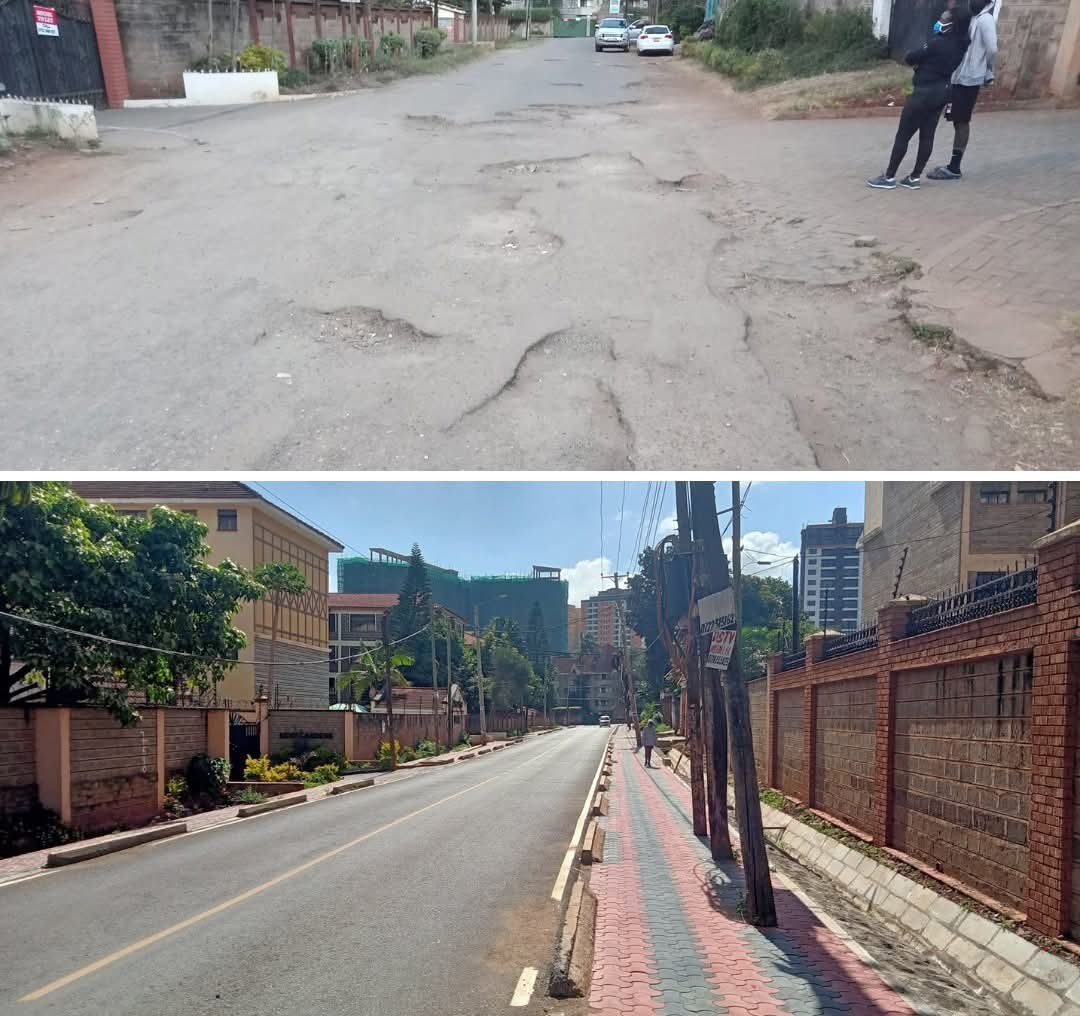
The government is set to pay contractors at least Sh20 billion this week for road works completed in the first quarter of the year, as part of a broader push to eliminate pending bills.
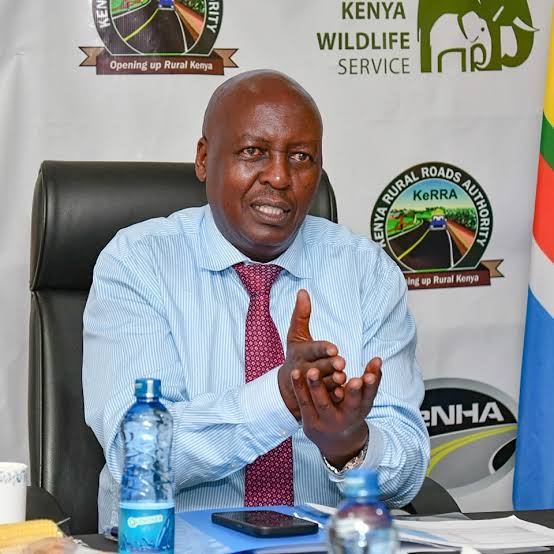
Roads Principal Secretary Joseph Mbugua said the State has already cleared Sh177 billion in arrears accumulated since 2020, signalling a shift toward timely payments and improved project continuity.
The clearance of pending bills has been driven by the securitisation of the Road Maintenance Levy Fund (RMLF) – a financing model that converts future fuel levy collections into immediate cash.
Under the initial arrangement, Sh7 per litre of fuel was securitised, enabling the government to raise Sh175 billion. Combined with exchequer allocations, this has allowed full settlement of contractor dues.
Cabinet has since approved securitisation of up to 50% of the levy (Sh12.50 per litre) to sustain funding for infrastructure.
“We don’t have any pending bills, and this week we plan to pay certificates raised in Q1. Going forward, we don’t want to accumulate new arrears,” Mbugua said.
At least 875 stalled contracts had been affected by delayed payments. Smaller claims – 560 contracts valued at Sh50 million and below – were prioritised and cleared early, with the remainder settled by the end of last year.
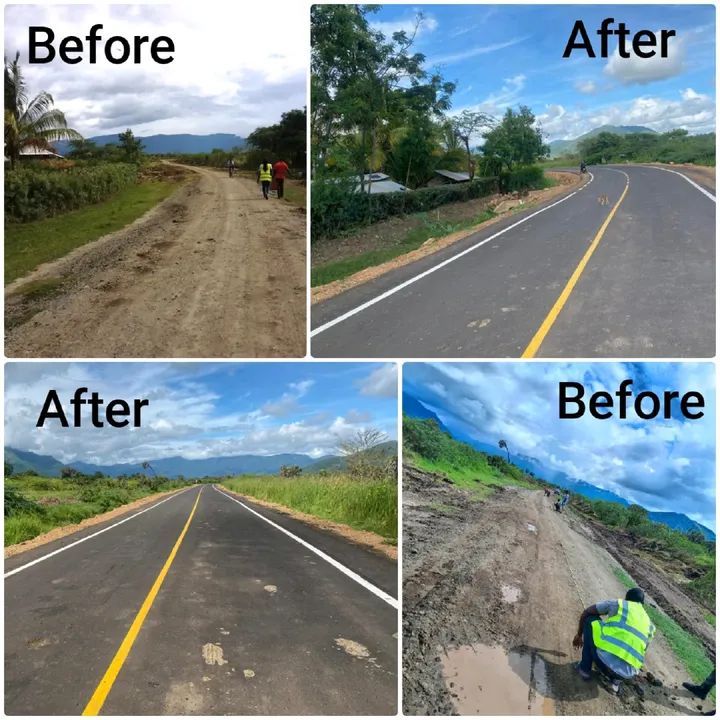
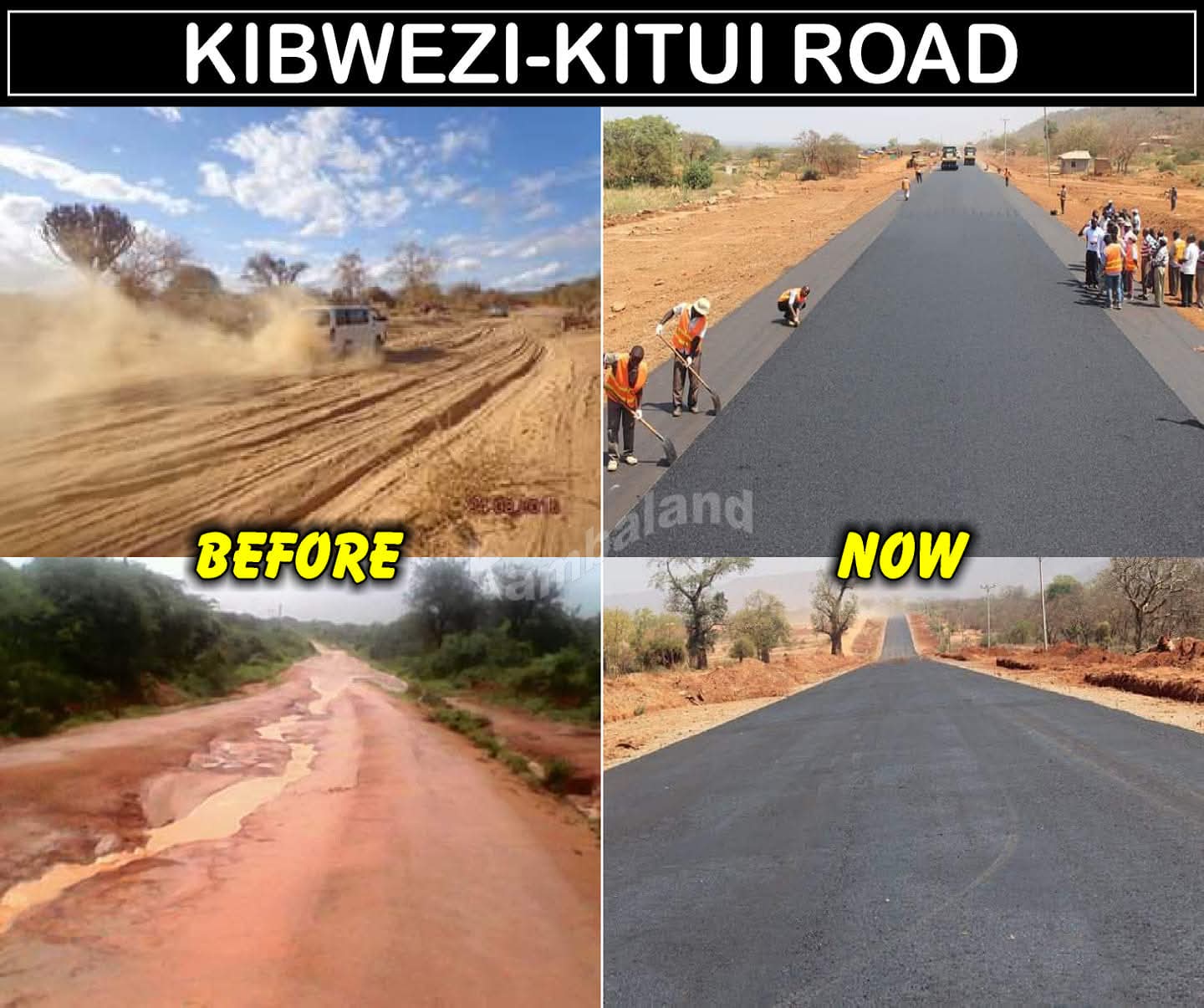
The payments have since revived road construction projects nationwide, with spillover benefits in sectors such as cement, steel, and quarrying.
Despite renewed momentum, infrastructure gaps remain significant:
- Only 20% (48,052 km) of roads are in good condition
- 46% (109,463 km) are rated fair
- 33% (77,720 km) are in poor condition
Kenya’s total road network stands at 239,122 km, with 181,858 km under county governments and 57,263 km classified as national trunk roads.
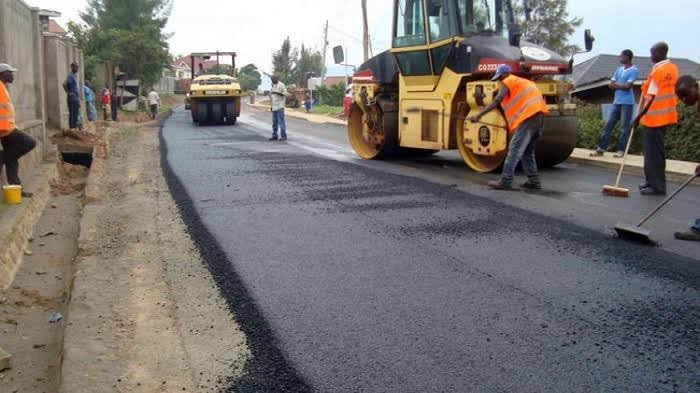
Currently, 3,887 km of roads are under construction.
The government requires an estimated Sh600 billion for maintenance alone, and up to Sh1.78 trillion for full development and upkeep of the network – far above the Sh60 billion annual allocation.
Mbugua attributed past pending bills to this mismatch between funding and ongoing projects but said new measures are aimed at preventing recurrence.
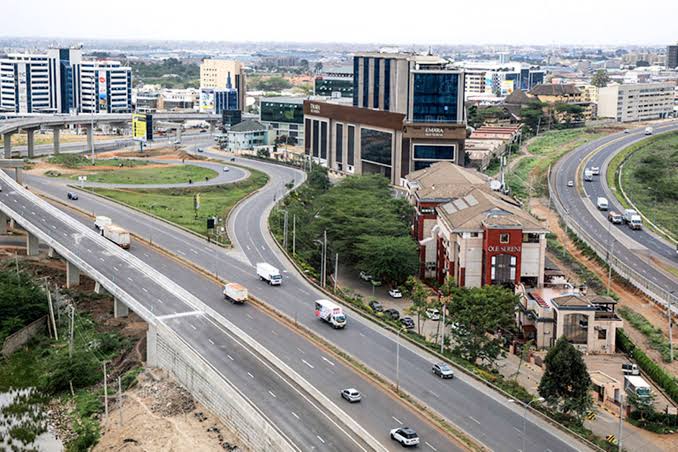
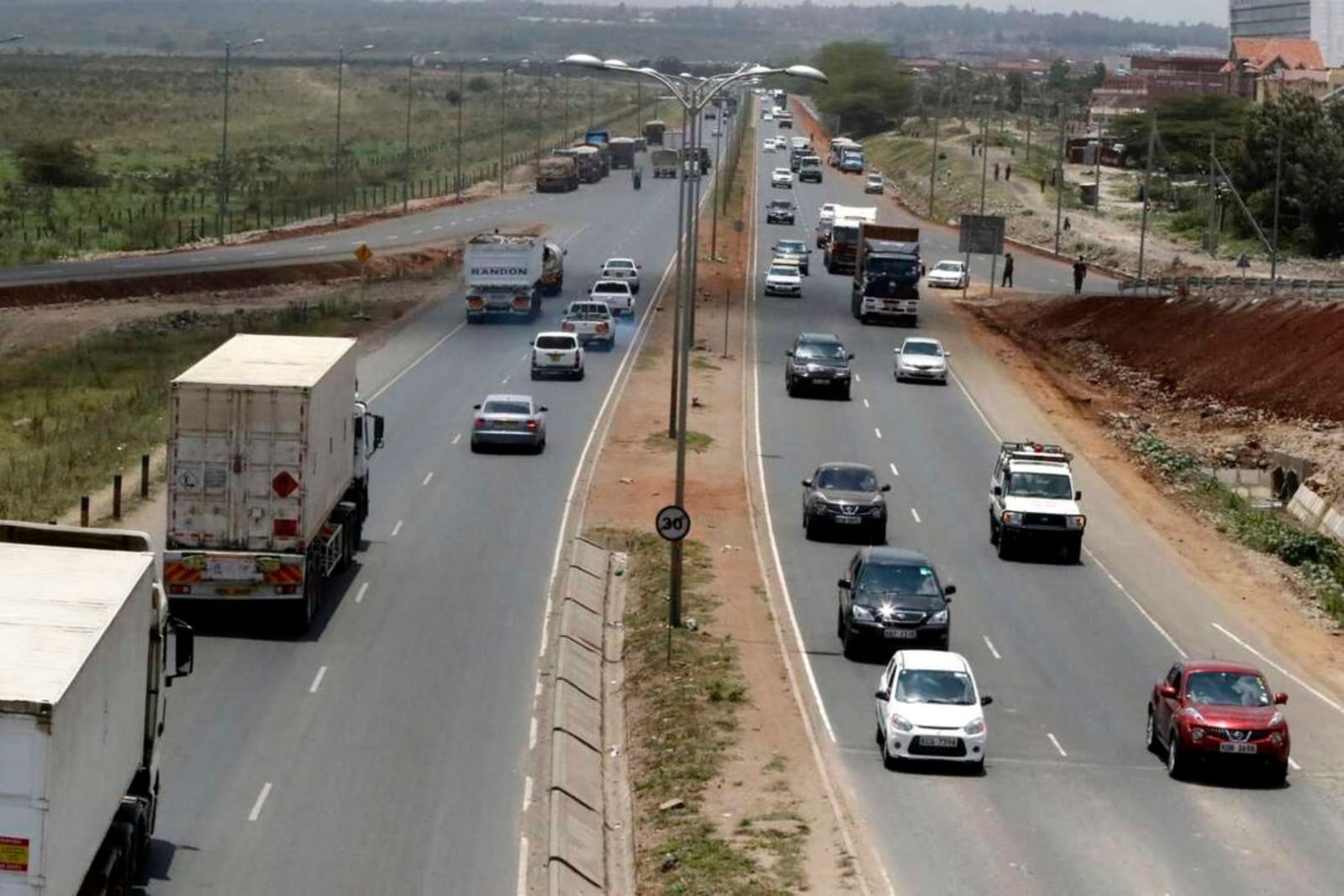
In Nairobi, key projects underway include upgrades to Mombasa Road–JKIA (lower road) and the Ngong Road corridor, which features a modern dual carriageway with a viaduct to ease congestion.
Both projects incorporate non-motorised transport (NMT) infrastructure, including pedestrian walkways, cycling lanes, and urban landscaping.
The government is targeting the construction of at least 6,000 kilometres of new roads in the medium term, as it seeks to stabilise the sector and improve national connectivity.