For many Kenyans, the Middle East has long been viewed as a land of opportunity, offering better employment prospects and higher wages.
Countries such as Saudi Arabia, the United Arab Emirates, Qatar and Kuwait host a sizeable Kenyan diaspora working in healthcare, hospitality, construction and domestic service.
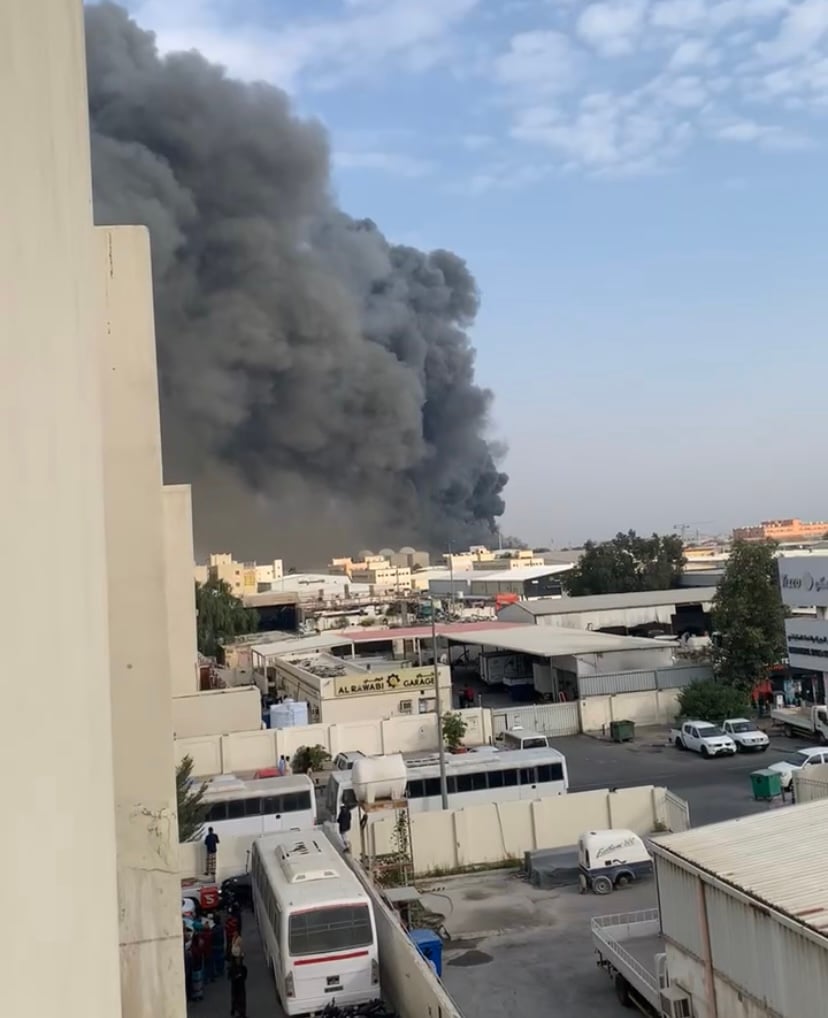
However, the recent escalation of hostilities — triggered by joint US–Israel strikes on Iran and retaliatory attacks across the Gulf — has heightened anxiety among Kenyan workers in the region and raised broader economic concerns back home.
Rising Security Concerns
Kenyan authorities have issued travel and security advisories urging citizens living in or transiting through the Middle East to exercise caution amid rapidly evolving security developments.
The Ministry of Foreign and Diaspora Affairs, alongside Prime Cabinet Secretary Musalia Mudavadi, has warned that the fluid situation could affect cities and regions where Kenyans reside — particularly in Gulf states such as Qatar, the UAE and Saudi Arabia, where more than 400,000 Kenyans are estimated to live and work.
Kenyans in the region have been advised to:
-
Register with their nearest embassy or consulate
-
Keep their contact details updated
-
Avoid non-essential movement
-
Rely on official communication channels for updates
Some Gulf governments have temporarily closed airspace and restricted movement in certain areas due to military alerts, affecting travel and work arrangements for expatriates.
Although there have been no confirmed reports of Kenyan casualties, families back home remain anxious. Many households depend heavily on remittances sent by relatives abroad to cover daily expenses, school fees, healthcare and savings.
Travel and Employment Disruptions
The escalation has already disrupted international travel.
Major carriers, including Kenya Airways, have temporarily suspended or adjusted flights to Gulf destinations due to safety concerns and airspace closures.
These disruptions:
-
Complicate contract renewals and visa processes
-
Interrupt seasonal labour movements
-
Create uncertainty for workers relying on regular travel
For those in sectors such as domestic work and construction — jobs that cannot be performed remotely — restrictions and uncertainty over mobility directly affect employment stability and income. As remittance flows slow, families in Kenya face growing financial strain.
Economic Implications for Kenya
The impact extends beyond individual workers. Kenya maintains significant trade and financial ties with the Gulf region.
Recent assessments estimate that trade between Kenya and Gulf countries amounts to roughly KSh 700 billion annually, covering agricultural exports, energy imports, machinery and consumer goods.
Ongoing conflict — particularly around critical shipping routes like the Strait of Hormuz — risks disrupting supply chains and raising shipping and insurance costs.
Since Kenya imports most of its refined petroleum products, any spike in global oil prices or supply interruptions could:
-
Increase local fuel prices
-
Drive up transport and food costs
-
Raise manufacturing expenses
-
Intensify inflationary pressures
Higher import costs place additional strain on household budgets and business operations, potentially slowing economic growth.
Dependence on Remittances
Remittances from Kenyans abroad are a key source of foreign exchange.
They:
-
Help stabilise the Kenyan shilling
-
Support household consumption
-
Fund education and healthcare
-
Strengthen foreign exchange reserves
A prolonged conflict could weaken remittance flows through job losses, disrupted contracts or reduced labour placements in the Gulf. Economists caution that sustained instability may exert pressure on Kenya’s foreign reserves and heighten vulnerability to external economic shocks in 2026 and beyond.
Looking Ahead
The Kenyan government continues to monitor developments and issue guidance to citizens abroad.
As diplomatic efforts focus on de-escalation, Kenyan workers and their families remain hopeful that stability will return, allowing employment and remittance flows to normalise.
The unfolding crisis highlights how closely global peace, labour migration and national economic stability are intertwined in today’s interconnected world.