The Structure Behind Kenya’s Infrastructure Fund

The government has released a governance paper outlining how the proposed Kenya National Infrastructure Fund (KNIF) would be structured and managed.

The document focuses largely on how to design a fund that can mobilise large-scale capital for infrastructure while maintaining accountability and investor confidence.

Kenya faces a persistent infrastructure financing gap.

Traditional infrastructure projects in Kenya are often financed through:

  • Direct government borrowing.
  • Bilateral loans.
  • Public-private partnerships (PPPs).

The proposed Fund introduces a pooled investment vehicle that can blend public and private capital under one professionally managed structure.

Roads, energy projects, water systems, housing and logistics corridors require long-term capital, yet public budgets are constrained by debt levels and fiscal limits.

The proposed National Infrastructure Fund is designed to:

  • Pool capital from government, development partners and private investors.
  • Finance commercially viable infrastructure projects.
  • Operate with professional investment discipline rather than traditional public budgeting rules.

The governance paper argues that conventional government structures are not always suited to attracting institutional investors such as pension funds or sovereign wealth funds, who require clear governance standards and predictable returns.

What’s The Proposed Structure? 

According to the governance framework, the Fund would be established with:

1. A Professional Board

An independent board would oversee strategy, risk management, and accountability. The aim is to reduce political interference in investment decisions.

2. Clear Investment Mandate

The Fund would focus on projects capable of generating sustainable returns – meaning not every public project would qualify. The emphasis is on bankable infrastructure.

3. Corporate Governance Standards

The structure leans toward a corporate-style model rather than a traditional government department. This includes:

  • Defined fiduciary duties
  • Risk management systems
  • Transparent reporting standards
  • Independent audits

The intention is to make the Fund credible to both domestic and foreign investors.

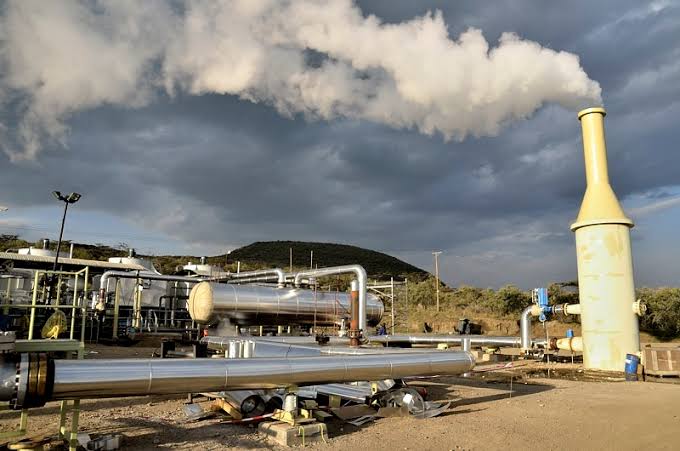
Ngong Hills Wind Power Station in Kenya (Image: Files)

Proposed Key Governance Safeguards

The paper highlights several accountability measures:

  • Separation between government ownership and day-to-day management.
  • Clear procurement and project evaluation frameworks
  • Performance monitoring mechanisms
  • Defined conflict-of-interest rules

The broader goal is to strike a balance between attracting private capital without compromising public oversight.

If implemented as outlined, the National Infrastructure Fund would represent a structural shift in how Kenya finances large-scale development projects.

In a Nutshell …. 

By adopting a professionally governed, corporate-style structure similar to global sovereign and strategic funds, Kenya is positioning infrastructure not merely as public expenditure, but as a long-term investment platform.

If implemented with strong transparency and merit-based management, the Fund could serve as part of the financial architecture required to support Kenya’s long-term transformation agenda while reducing fiscal strain and attracting institutional capital.

What Exactly is the National Infrastructure Fund?

The National Infrastructure Fund (NIF) is basically a pooled fund meant to finance large infrastructure projects – without depending too heavily on expensive external borrowing.

The country doesn’t need to depend on foreign loans for every new project – say, a road or a powerplant.

The NIF is a structured vehicle that mobilizes capital locally and internationally, invests in infrastructure – then, pays back investors over time from the project’s revenue.

How Does the NIF affect the Ordinary Mwananchi?

Infrastructure directly influences the cost of living. For instance:

  • Improved roads can lower transport costs and reduce supply chain delays.
  • Reliable electricity can support manufacturing and reduce business costs.
  • Water and irrigation systems can boost agricultural output and stabilise food supply.
  • Efficient logistics corridors can improve trade flows.

If infrastructure reduces production and transport costs, consumers may benefit from more stable prices over time.

However, the impact depends on efficient project execution, strong governance and clear revenue models.

Does it Impact Personal Savings and Investments? 

One notable aspect of infrastructure funds globally is the participation of institutional investors such as pension funds.

If structured accordingly, long-term savings – including pension contributions – could be invested in infrastructure projects through the Fund.

This can provide steady returns tied to essential services and national assets. For savers, this presents both opportunity and responsibility.

Infrastructure investments can offer stable, long-term yields, but they require strict oversight and transparency to safeguard capital.

In this sense, the National Infrastructure Fund is not only a public finance mechanism – it could also intersect with personal retirement savings.

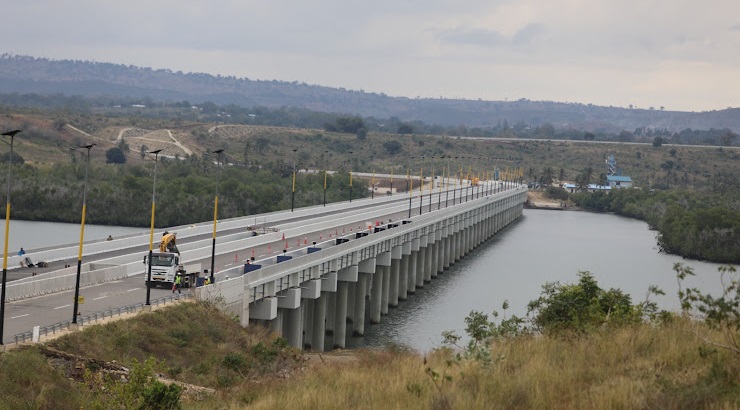
An overhead representation of the Express Way in Nairobi, Kenya. (Image: Files)

What are Associated Risks with the NIF?

As with any large financial vehicle, governance will determine success. There are several factors to consider:

  • Project selection criteria,
  • Risk allocation frameworks,
  • Transparency in fund management,
  • Clear return structures,
  • Accountability mechanisms.

If managed prudently, the Fund could enhance economic resilience and reduce long-term fiscal pressure.

If the NIF is mismanaged, it could add to far-reaching financial liabilities.

The NIF in the Economic Context

Kenya, like many developing economies, faces the dual challenge of expanding infrastructure while managing debt sustainability.

It influences inflation, interest rates, investment confidence, and long-term economic stability.

A well-structured infrastructure fund can:

  • Spread financial risk.
  • Attract private-sector participation.
  • Provide predictable financing.
  • Support long-term economic growth.

Ultimately, infrastructure financing affects more than construction.

In a Nutshell ….

National Infrastructure Fund represents a structural shift from short-term, politically driven project financing to long-term, rules-based capital allocation.

Developed economies are not defined merely by the presence of infrastructure, but by how they finance, manage and sustain it.

If governed transparently and disciplined by clear investment criteria, the Fund could help institutionalise predictability in infrastructure development.

This reduces fiscal shocks, attracting stable capital and aligning national projects with long-term economic strategy.

In that sense, the NIF is less about building roads and more about building financial systems that support durable growth.

Ghafla!
Privacy Overview

This website uses cookies so that we can provide you with the best user experience possible. Cookie information is stored in your browser and performs functions such as recognising you when you return to our website and helping our team to understand which sections of the website you find most interesting and useful.