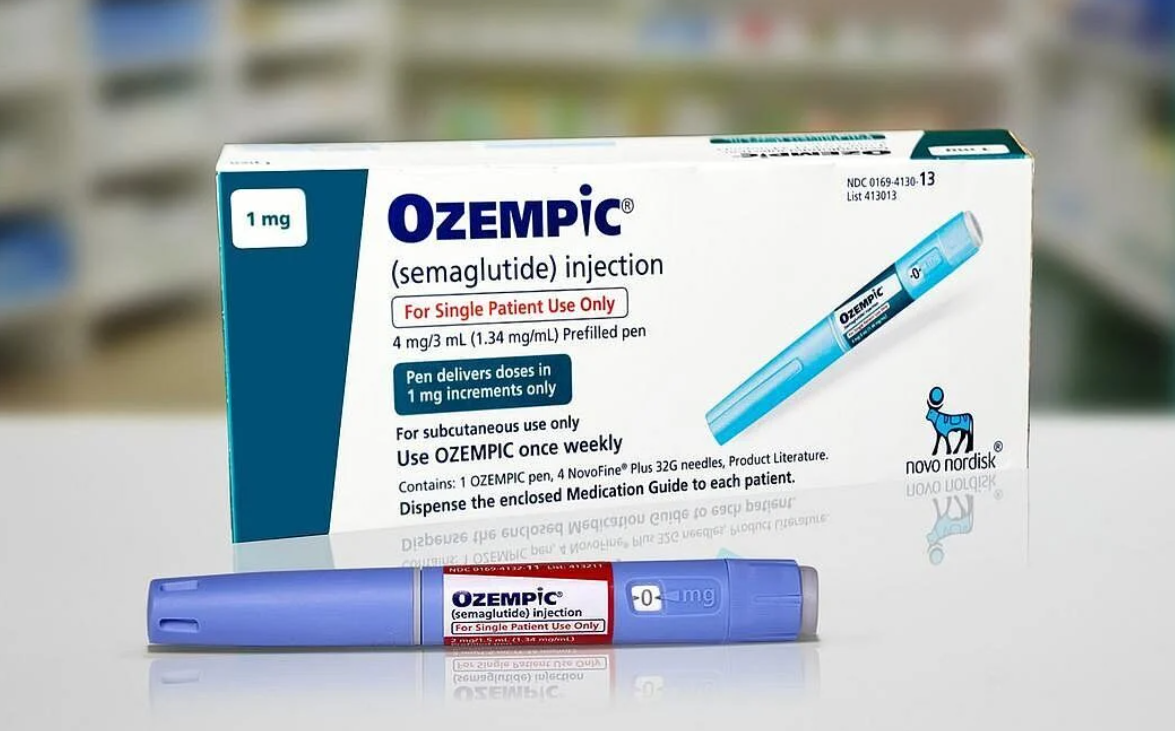
New Study Raises Concerns Over Bone Health Risks Linked to Popular Weight Loss Drug, Ozempic

New research has revealed potential long-term health concerns associated with widely used weight loss medications such as Ozempic and Wegovy, highlighting risks that extend beyond their commonly known side effects.

The study, which analysed data from nearly 150,000 patients, found that individuals using GLP-1 medications may face a significantly higher likelihood of developing bone- and tendon-related complications. The findings have sparked fresh debate among medical experts about the long-term safety profile of these increasingly popular treatments.

Increased risk of bone-related conditions
Over a five-year period, researchers observed that users of these medications had nearly a 30 percent higher risk of developing osteoporosis, a condition that weakens bones and makes them more prone to fractures.

The study also noted a 12 percent increase in the risk of gout, a painful form of arthritis caused by uric acid buildup. In addition, a rarer condition that leads to bone softening showed a notable rise among patients on the drugs.

While the findings are concerning, researchers cautioned that the study does not establish a direct cause-and-effect relationship between the medications and these conditions. Instead, they suggest that rapid weight loss and possible nutrient deficiencies linked to the drugs may contribute to the increased risks.

Balancing benefits and risks
Despite the emerging concerns, medical professionals emphasise that GLP-1 medications still offer substantial benefits. These include significant weight loss and a reduced risk of heart disease, making them a valuable option for many patients managing obesity and related conditions.

However, experts are now urging a more cautious approach to their use. Recommendations include regular monitoring of bone health, maintaining proper nutrition, and incorporating strength training exercises to help mitigate potential risks.

As the use of drugs like Ozempic and Wegovy continues to rise globally, the findings underscore the importance of personalised medical guidance and long-term health planning for patients considering or currently using these treatments.

Ozempic back in the news due to link to thyroid cancer

Thousands of patients across the United States have filed lawsuits against pharmaceutical giant Novo Nordisk, accusing the company of failing to adequately warn users about serious and potentially life-altering side effects linked to its popular diabetes and weight-loss drugs, including Ozempic and other GLP-1 receptor agonists.

The legal actions have now been consolidated into a large federal multidistrict litigation (MDL 3094), a move that reflects the growing scale and similarity of the claims. At the centre of the lawsuits are allegations that Novo Nordisk downplayed or omitted warnings about severe health risks, even as reports of serious complications mounted.

Alleged Health Risks at the Centre of the Lawsuits

According to court filings, patients say they developed serious medical conditions after using Ozempic or similar semaglutide-based drugs. The reported complications include:

  • Gastroparesis (stomach paralysis)

  • Intestinal blockages

  • Vision loss, including non-arteritic anterior ischemic optic neuropathy (NAION)

  • Pancreatitis

  • Blood clots

  • Other gastrointestinal and neurological injuries

Many plaintiffs say these conditions led to emergency hospitalisations, invasive surgeries, long-term disability, and a significant decline in quality of life.

Claims of Inadequate Warnings

At the heart of the litigation is the claim that Novo Nordisk did not provide sufficient warnings about the severity and likelihood of these risks. Attorneys representing patients argue that while the drugs were heavily marketed for their effectiveness in managing diabetes and supporting weight loss, the potential dangers were not communicated clearly enough for patients to make fully informed decisions.

Legal analysts following the case estimate that Novo Nordisk’s potential financial exposure could exceed $2 billion, particularly as new cases continue to be filed and reviewed.

Law Firms Evaluating New Claims

Several law firms, including Robert King Law, are actively reviewing cases involving individuals who used Ozempic or related GLP-1 medications and later experienced serious health complications. These firms are assessing claims from patients who incurred high medical bills, lost income due to inability to work, or suffered permanent injuries.

Plaintiffs are seeking compensation for medical expenses, lost wages, pain and suffering, and long-term care needs. Attorneys maintain that drug manufacturers have a legal and ethical obligation to disclose known or reasonably foreseeable risks associated with their products.

A Broader Wake-Up Call

Beyond the courtroom, the lawsuits are fueling a wider conversation about pharmaceutical transparency and patient safety. Commentators note that many patients trust prescription medications to improve their health, not to introduce unexpected and severe complications.

As one observer put it, the case represents more than a legal dispute — it is a test of how responsibly powerful drugmakers communicate risk. If the allegations are proven, the outcome could have lasting implications for how side effects are disclosed, how drugs are marketed, and how consumers are protected.

For now, the litigation continues, with thousands of patients awaiting answers — and accountability — over medications that were meant to help, but allegedly caused profound harm.

Ozempic Faces $2 Billion Lawsuit as Safety Concerns Grow

Popular weight-loss and diabetes drug Ozempic is facing renewed scrutiny following the filing of a massive lawsuit seeking more than $2 billion in damages. The case, which consolidates claims from roughly 1,800 users, alleges that the medication is linked to severe vision loss and raises new concerns about a possible connection to aggressive thyroid cancer.

According to court filings, plaintiffs claim they suffered sudden and, in some cases, permanent blindness after using Ozempic. The lawsuits cite reports of non-arteritic anterior ischemic optic neuropathy (NAION), a rare condition that restricts blood flow to the optic nerve. While some observational studies have suggested a possible association between GLP-1 drugs and vision complications, medical experts caution that a direct causal link has not yet been definitively proven.

In addition to the vision-loss claims, the lawsuits point to renewed fears surrounding thyroid cancer. Ozempic already carries a warning about thyroid C-cell tumors based on animal studies, though regulators have stated that the risk in humans remains unclear. Plaintiffs argue that emerging data suggests the potential for more aggressive thyroid cancers than previously disclosed.

The drug’s manufacturer has denied wrongdoing, maintaining that Ozempic is safe when used as prescribed and that its benefits outweigh its risks. The company has also emphasised that millions of patients worldwide have used the medication successfully under medical supervision.

The legal battle has intensified broader public debate over the rapid rise of weight-loss drugs and whether long-term risks are fully understood. As Ozempic and similar medications gain popularity beyond diabetes treatment, critics are urging greater caution and more transparent safety studies.

Amid the controversy, some health advocates are using the moment to call for a renewed focus on managing chronic conditions through diet, lifestyle changes and preventive care rather than reliance on medication alone. Medical professionals, however, stress that treatment decisions should be individualised and made in consultation with qualified healthcare providers.

As the lawsuit progresses, the case is expected to play a significant role in shaping how weight-loss and metabolic drugs are regulated, marketed and prescribed in the future.

Ozempic’s Creator Faces Lawsuits as Kenyan Celebs Fuel Weight-Loss Craze

A growing wave of legal challenges is emerging against Novo Nordisk, the Danish pharmaceutical company behind Ozempic, amid a rising weight-loss trend among Kenyan celebrities. While litigation garners headlines abroad, the ripple effects are increasingly felt on Kenyan social media.


1. Multibillion-Dollar Lawsuit Targets Ozempic Maker

Novo Nordisk is currently being targeted in over 1,200 lawsuits, consolidated into a multidistrict case in Pennsylvania, with claims totaling approximately $2 billion (Sh258 billion). Plaintiffs allege serious complications such as intestinal paralysis, severe vomiting, and vision loss, arguing that warning labels inadequately disclosed these potential risks. Though the company maintains the drug is safe when used as prescribed for diabetes, the spike in off-label usage for weight loss has intensified scrutiny.


2. Misuse of Ozempic in Kenya: A Trend Fueled by Celebrities

In Kenya, Ozempic—originally intended for managing type 2 diabetes—has gained traction as a weight-loss shortcut, popularized by influencers like Lydia Wanjiru, Kelvin Kinuthia, Pritty Vishy, Murugi Munyi, and others. Their social media posts document rapid transformations and contribute to the drug’s glamorized image.

But regulators are concerned. The Pharmacy and Poisons Board (PPB) has issued strong warnings against the drug’s off-label use, urging people to report adverse effects. Side effects flagged include hypoglycemia, eye issues, acid reflux, and even intestinal obstruction.


3. Health Risks vs. Hype

Experts caution that with the social media trend comes real danger. The Ministry of Health has launched investigations into unauthorized prescriptions and the influx of counterfeit Ozempic pens. This trend not only risks health complications but also undermines access for patients who genuinely need the drug for diabetes treatment.


Why It Matters: A Closer Look at the Disconnect

  • Accountability at Scale: The lawsuits abroad signal that misuse and misrepresentation of Ozempic’s risks can provoke serious legal and ethical consequences.

  • Influence Without Oversight: As celebrities shape public perception, their endorsements—often with minimal context on the risks—can drive unhealthy behavior.

  • A Warning to All Users: Kenyans must recognize that Ozempic is a prescription-only medicine, with legitimate uses and risks. Weight loss should be guided by healthcare professionals—not trends.


Looking Ahead

This clash between branding, health, and legality invites reflection. While celebrities continue to post confident transformations, the growing legal challenges and formal health warnings offer a sobering counterpoint. It’s a reminder that quick fixes often carry long-term consequences.

Ghafla!
Privacy Overview

This website uses cookies so that we can provide you with the best user experience possible. Cookie information is stored in your browser and performs functions such as recognising you when you return to our website and helping our team to understand which sections of the website you find most interesting and useful.