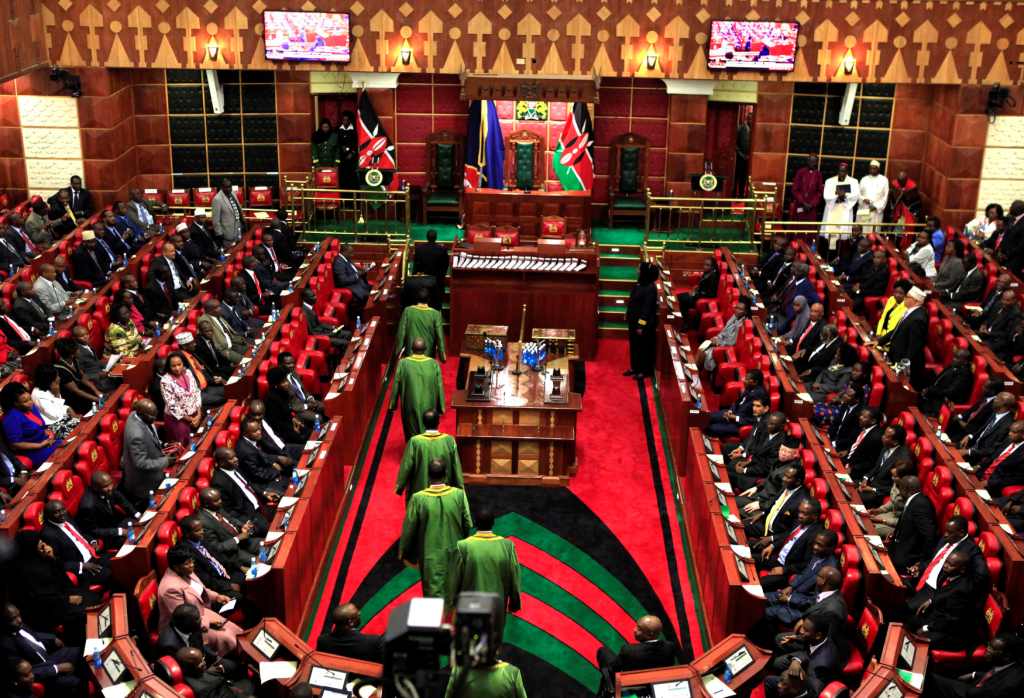
The National Assembly was pushed into a heated debate on Thursday, June 18, 2026, as lawmakers clashed over the Supplementary Estimates II for the 2025/26 financial year. The main point of contention centered around multi-billion-shilling allocations directed to State House, the Office of the Deputy President, and state security agencies just days before the close of the financial year.
The Departmental Committee on Administration and Internal Security strongly defended the funding, insisting that every cent was properly appropriated for essential government functions.
“It is my committee that appropriates and allocates funds to these offices, and I can confirm to the country and this House that these funds are well spent, justified, and are for the good of the country, not an individual,” stated Committee Chair and Narok West MP Gabriel Tongoyo.
“Campaign Funds” Allegations Spark Uproar
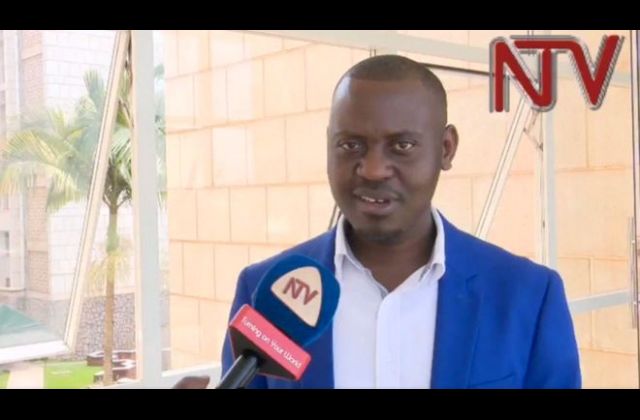
The committee’s defense was triggered by a fierce critique from Suba South MP Caroli Omondi, who questioned what he termed as large, unexplained operational expenditures. Omondi openly alleged that the funds were strategically hidden under vague categories to bankroll upcoming political campaigns.
“We have before us a supplementary budget concentrating resources in the Office of the Deputy President for what they call operations, and in State House for what they again call operations… and National Intelligence Service for what they don’t even describe what it is for,” Omondi argued. “We know why this money is being allocated to these particular offices, it is to provide resources for political campaigns. It is confidential expenditure that nobody can verify.”
His remarks caused an immediate uproar in the plenary, with several MPs demanding that he substantiate the claims.
The Financial Breakdown
The approved Supplementary Estimates II have overall increased the national budget by Ksh18.24 billion to bridge shortfalls in operations, maintenance, and security requirements. Among the most heavily scrutinized figures in this last-minute push are Ksh3.5 billion directed to the National Intelligence Service, Ksh1.0 billion designated for State House operations, and Ksh200 million earmarked for the Office of the Deputy President.
A History of Oversight Friction
The heated debate comes at a time of heightened public and institutional scrutiny over executive spending. Recently, Controller of Budget Margaret Nyakang’o flagged Ksh4.45 billion in unauthorized or unforeseen expenditures at State House. Additionally, back in April, the Public Accounts Committee scrutinized the Office of the Deputy President regarding pending bills, reviewing records that revealed Deputy President Kithure Kindiki’s office had incurred up to Ksh8 million in helicopter-related costs in a single day.
Despite the pushback from opposition lawmakers, the government’s spending trajectory is set to rise significantly. According to upcoming budget documents for the 2026/27 financial year, allocations for executive hubs are projected to spike dramatically, with the Office of the President funding rising from Ksh5.1 billion to Ksh7.49 billion, and State House allocations increasing from Ksh8.5 billion to Ksh13.64 billion.