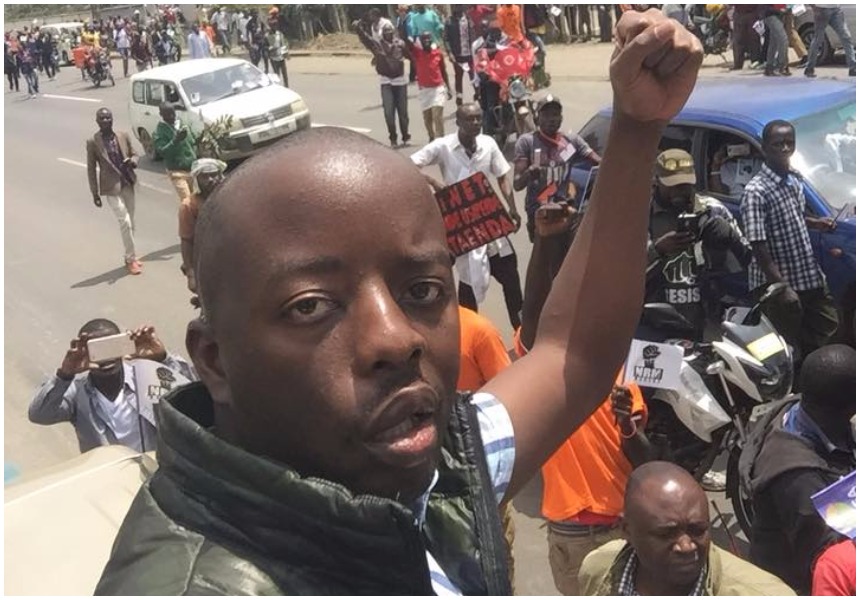
The Kenya National Commission on Human Rights (KNHCR) has issued a stern warning, stating that individuals who recently mocked the appearance of Raila Odinga Jr. on social media may soon face legal consequences.
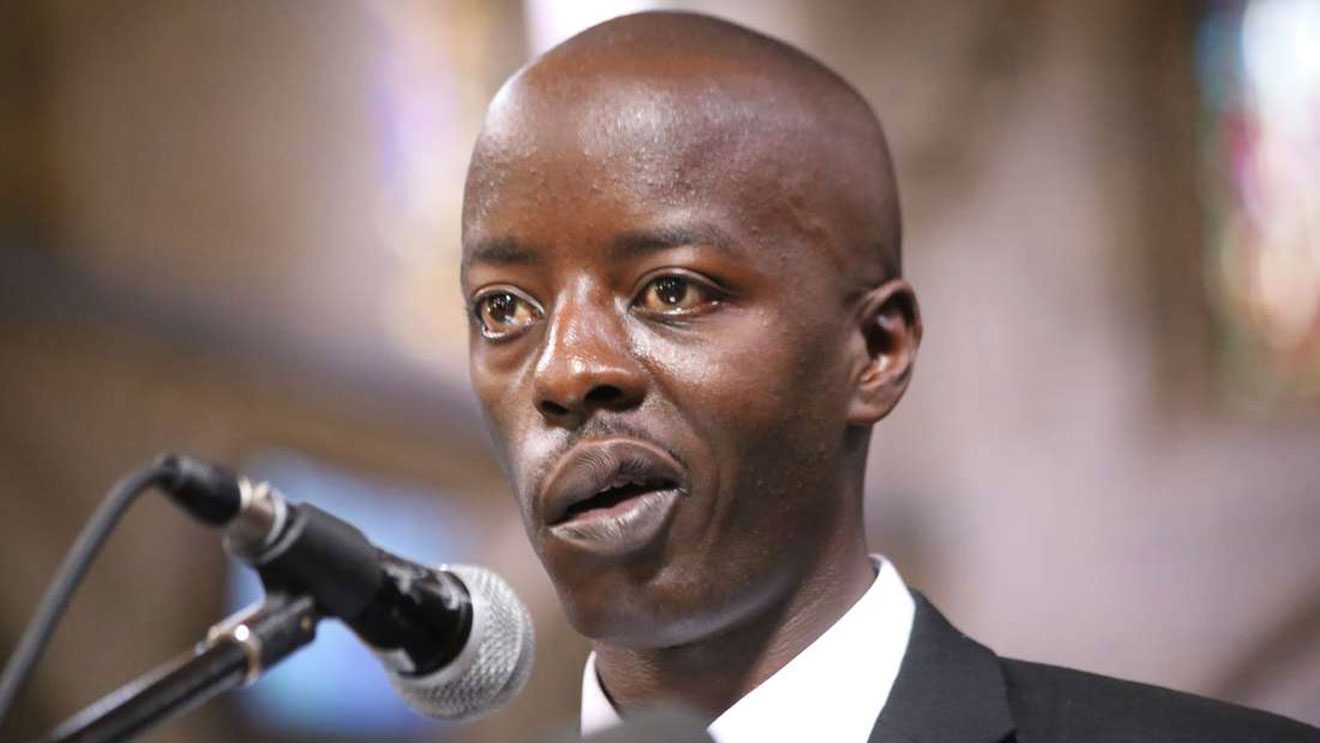
The Commission’s action follows a public outcry over posts, particularly on TikTok, that ridiculed the surviving son of the late former Prime Minister, with content specifically targeting his facial paralysis through distorted images and mocking lip-sync videos.
Demand for Apology and Threat of Legal Action
In a statement released on Wednesday, October 22, the KNHCR demanded an immediate public apology from all individuals who had ridiculed Raila Junior. The Commission disclosed that it had identified the social media accounts responsible for the offensive content and would release the identities of the owners in due course.
KNHCR explicitly warned that if the perpetrators fail to issue the apology, it would work with relevant agencies to ensure they face the full force of the law for violating fundamental rights.
Citing Constitutional Violations
The Commission grounded its warning in Chapter Four of the Constitution, which focuses on the Bill of Rights. KNHCR asserted that the cyberbullying constitutes a violation of rights to:
- Equality and human dignity.
- Freedom from violence and exploitation.
- Legal capacity, privacy, and family life.
Additionally, KNHCR demanded that state agencies, particularly the National Council for Persons with Disabilities (NCPWD), ensure the full implementation and enforcement of the law to protect persons with disabilities from such abuse.
Understanding Raila Junior’s Condition
The focus of the online mockery is a condition known as Acoustic Neuroma (or Vestibular Schwannoma). This is a noncancerous and typically slow-growing tumor that develops on the main nerve connecting the inner ear to the brain.
Raila Junior has previously confirmed that he inherited this condition from his mother’s side, which is the reason for the paralysis on the left side of his face. In 2022, he publicly clarified that he does not suffer from Bell’s Palsy, a more common, often temporary condition that causes unilateral facial paralysis.