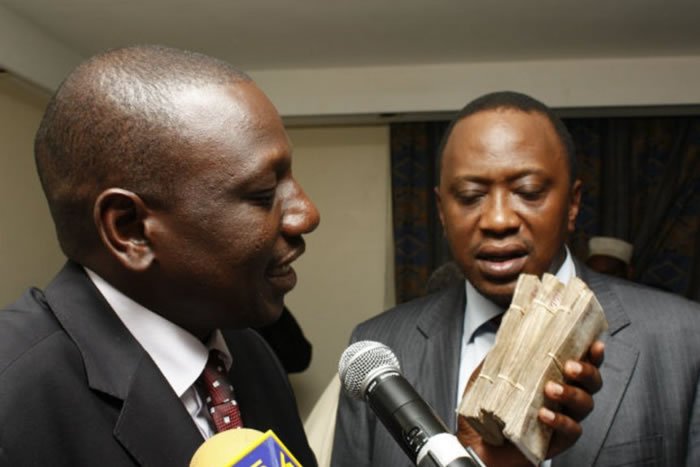
World Bank Approves KSh97 Billion Loan to Ruto To Teach Kenyans That Stealing Money Is Bad

The World Bank has approved a KSh97 billion ($750 million) loan for Kenya to support wide-ranging reforms aimed at strengthening governance, improving public financial management, expanding social protection, and enhancing anti-corruption efforts.

The financing, approved under the Kenya Fiscal Sustainability and Resilient Growth Development Policy Operation, is expected to bolster the government’s efforts to improve accountability, promote fiscal sustainability, and create a more conducive environment for economic growth and investment.

According to a statement issued by the World Bank on Tuesday, June 30, 2026, the funding package comprises KSh44 billion from the International Bank for Reconstruction and Development (IBRD) and KSh53 billion in concessional financing from the International Development Association (IDA).

Focus on Governance and Accountability

The World Bank said the operation will back reforms designed to strengthen transparency and accountability across government institutions while improving the efficiency of public spending.

Among the key measures supported by the loan is the implementation of the Conflict of Interest Act and the 2026 Regulations, which are intended to curb corruption and prevent conflicts of interest within the public service.

The programme also seeks to improve the management of public resources by requiring all government ministries, departments and agencies to transact through the Treasury Single Account, a move expected to strengthen oversight of public funds.

In addition, the reforms will accelerate the rollout of an electronic government procurement system aimed at increasing transparency in public procurement and reducing opportunities for collusion and financial mismanagement.

Expanding Social Protection

Beyond governance reforms, the funding will also support the expansion of social protection programmes targeting vulnerable groups.

The World Bank said the initiative will strengthen support for refugees and host communities while enhancing the government’s capacity to provide assistance to citizens in need.

Boosting Sustainable Economic Growth

Commenting on the approval, World Bank Division Director for Kenya Qimiao Fan said the operation is an important step towards improving the country’s fiscal sustainability.

Fan noted that the reforms are expected to reduce wasteful public expenditure, strengthen government institutions, and lay the groundwork for more resilient and inclusive economic growth.

The World Bank believes that by improving governance, increasing transparency, and enhancing the management of public finances, the programme will help create a more stable business environment capable of attracting investment and generating employment opportunities for Kenyans.
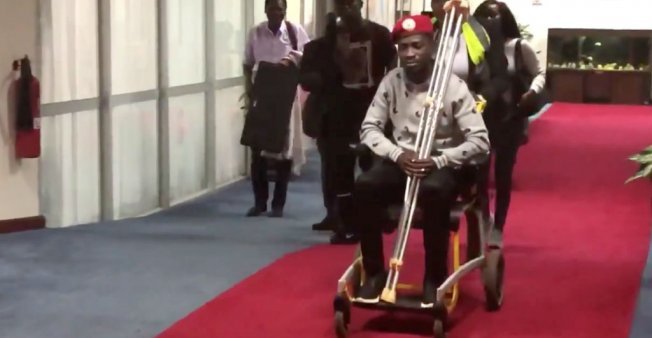
Bobi Wine calls out World Bank over hypocrisy

Robert Kyagulanyi, also known as Bobi Wine, is the head of the opposition in Uganda. He has criticized the World Bank for ignoring more human rights abuses.

Wine stated in a tweet that the World Bank should “know” that all human rights are equal and should not focus on issues with same-sex interracial partnerships.

The young lawmaker, who is also a musician, urged the World Bank to pay more attention to other human rights abuses like torture, incarceration without trial, mass murder, and electoral fraud.

“It’s disturbing how institutions like these prioritize only gay rights and ignores all the other gross human rights violations, including mass murder, torture, detention without charge, and undermining democracy by rigging elections. Dear @WorldBank, all human rights are human rights!”

The statement was made a day after the World Bank said it has stopped providing funds to Uganda as a result of President Yoweri Museveni’s decision to sign what are known as the “harsh” same-sex legislation.

The World Bank stated in a statement that Uganda’s Anti-Homosexuality Act fundamentally went against the bank’s values and undermined attempts to be inclusive and non-discriminatory.

“Immediately after the law was enacted, the World Bank deployed a team to Uganda to review our portfolio in the context of the new legislation. That review determined additional measures are necessary to ensure projects are implemented in alignment with our environmental and social standards. We aim to protect sexual and gender minorities from discrimination and exclusion in the projects we finance. These measures are currently under discussion with the authorities.”

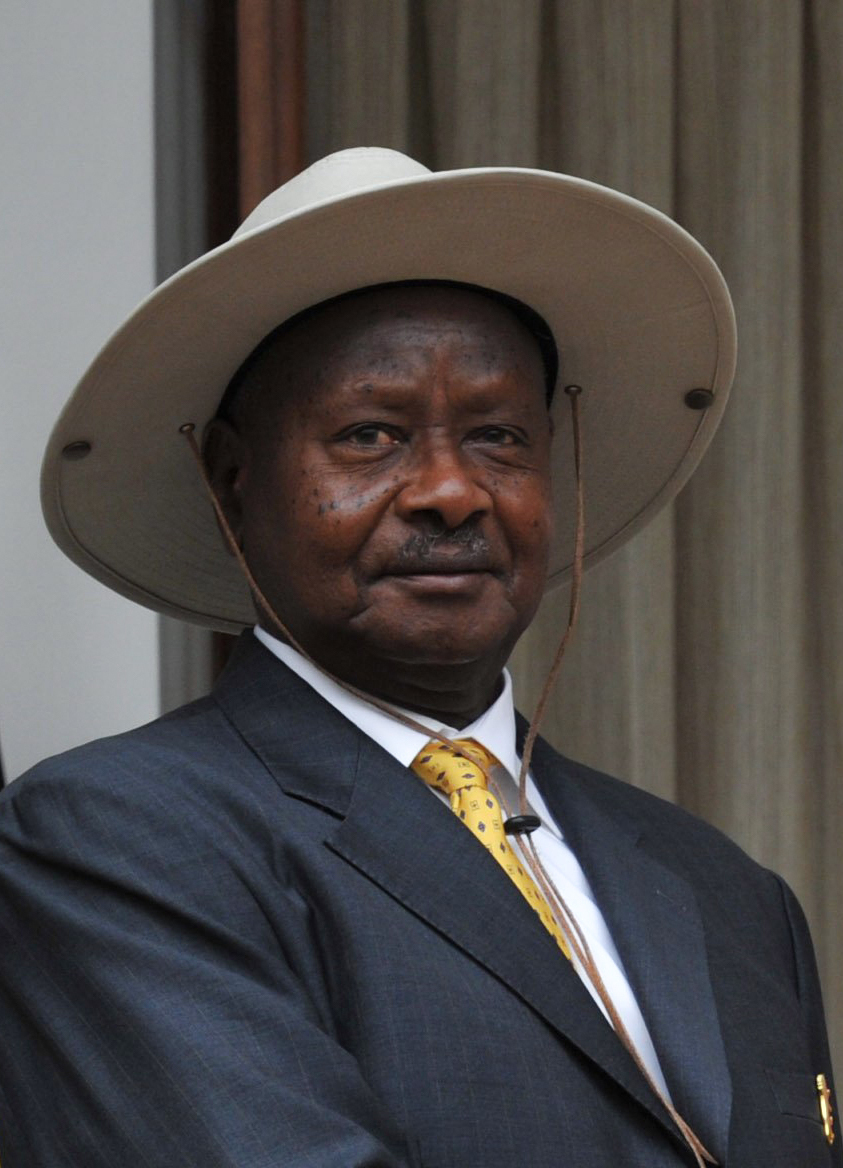
However, the 78-year-old Museveni stated in a handwritten statement that it was regrettable that the World Bank and other parties attempted to pressure Ugandans to accept a foreign culture by using financial means to make them give up their beliefs, culture, principles, and sovereignty.

“We are continuing to talk with the World Bank so that both they and we avoid this diversion if possible.”

Museveni tells World Bank to go shove their loans!

Yoweri Museveni, the president of Uganda, retaliated against the World Bank when it cut off assistance due to the Anti-Homosexuality Act.

Museveni stated on Wednesday via his X account that Uganda doesn’t require outside pressure to figure out how to address societal issues.

“Ugandans will develop with or without loans. It is therefore unfortunate that the World Bank and other actors dare to want to coerce us into abandoning our faith, culture, principles and sovereignty, using money,”

The World Bank and Uganda are still in talks, according to Museveni, “so that they and we avoid this diversion if possible.”

The World Bank stated on Wednesday that the Anti-Homosexuality Act goes against its values and hinders the bank’s efforts to promote inclusivity.

“Uganda’s Anti-Homosexuality Act fundamentally contradicts the World Bank Group’s values. We believe our vision to eradicate poverty on a liveable planet can only succeed if it includes everyone irrespective of race, gender, or sexuality. 

“This law undermines those efforts. Inclusion and non-discrimination sit at the heart of our work around the world. – World Bank”

The protection of sexual and gender minorities from prejudice and exclusion in projects they finance is the World Bank’s stated objective.

It stated that as soon as the law was passed, a team was sent to Uganda to assess their portfolio in light of the new regulations.

The evaluation found that further steps are required to guarantee that projects are carried out in accordance with the environmental and social requirements of the bank.

Ghafla!
Privacy Overview

This website uses cookies so that we can provide you with the best user experience possible. Cookie information is stored in your browser and performs functions such as recognising you when you return to our website and helping our team to understand which sections of the website you find most interesting and useful.