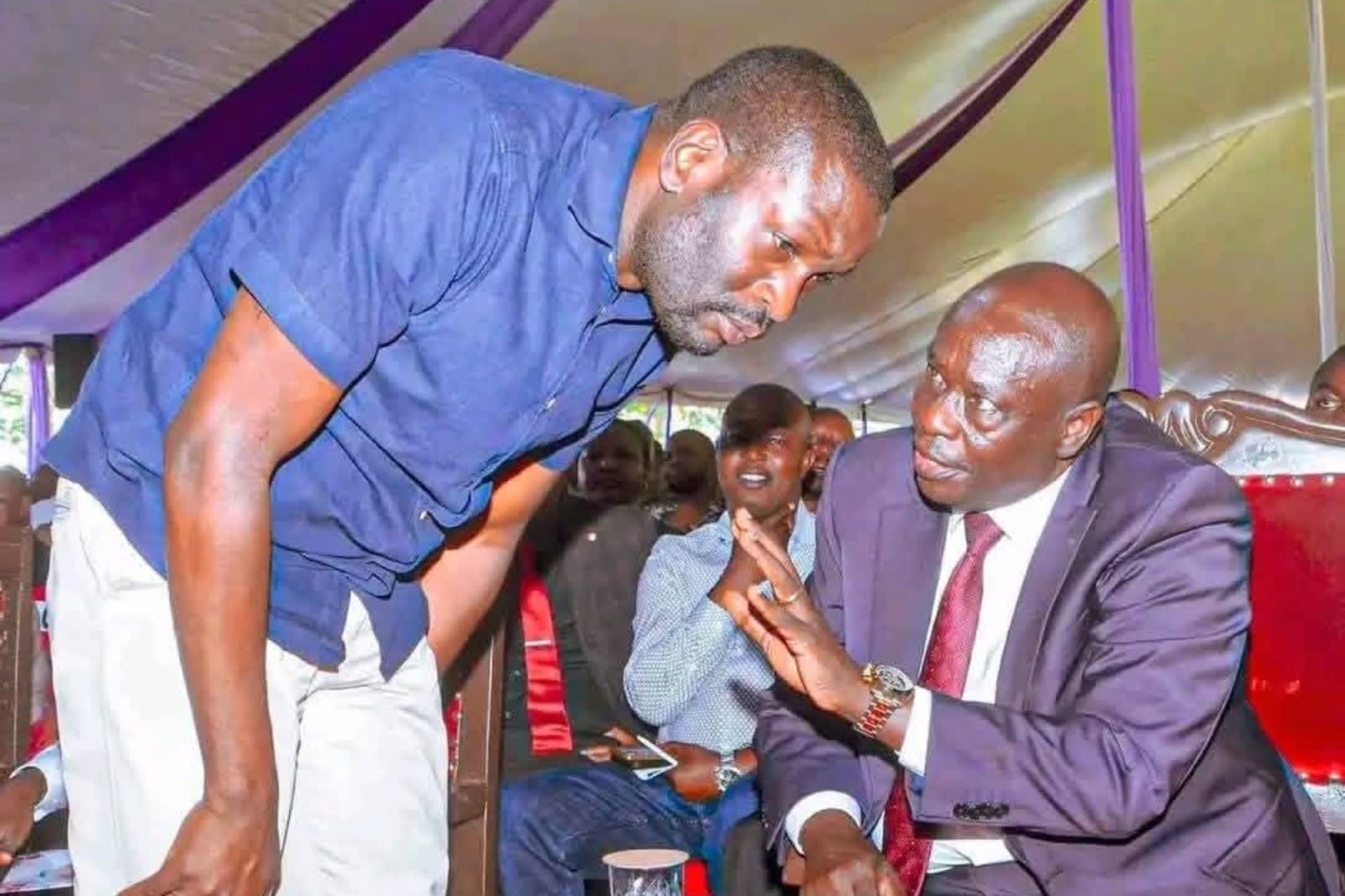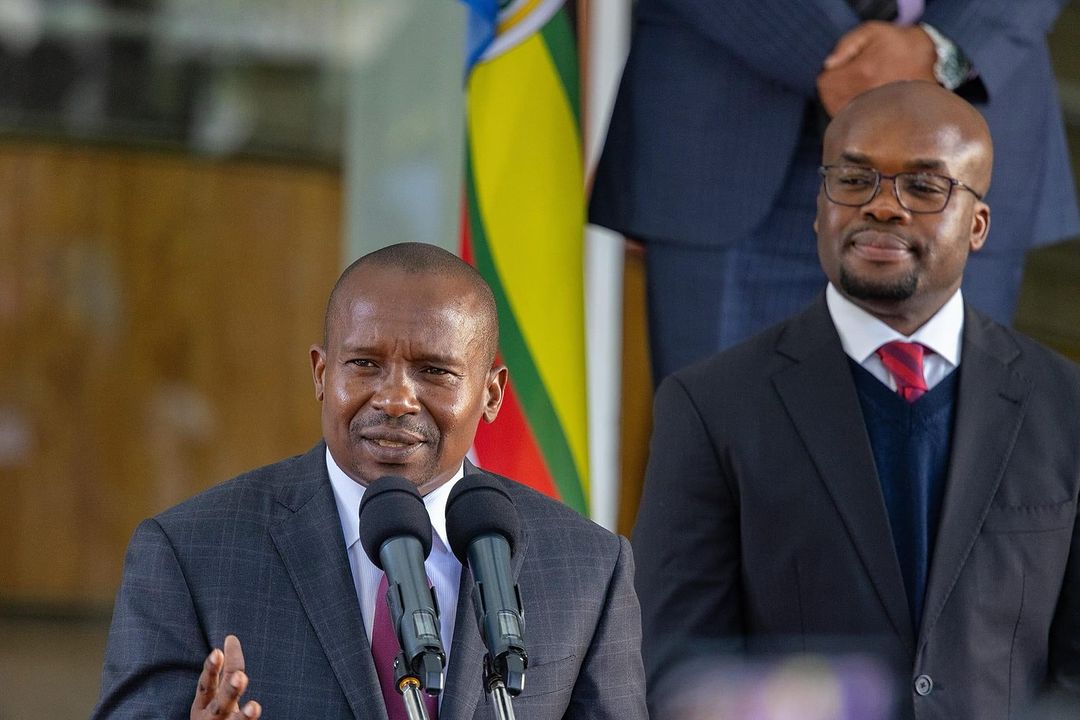
Senate Defends Gachagua Impeachment Process As Legal & Constitutional
The Senate has mounted a robust legal defense of its role in the impeachment of former Deputy President Rigathi Gachagua, maintaining that the proceedings were conducted in strict adherence to the Constitution, existing standing orders, and applicable laws.
Presenting their submissions before the court, lawyers representing the Senate argued that the process was a legitimate exercise of its constitutional oversight mandate. They specifically pushed back against efforts by the petitioner’s legal team to equate the Senate to a traditional tribunal, describing such comparisons as “misguided.” The defense maintained that the Senate’s function in an impeachment is a unique political and constitutional oversight role, distinct from judicial or quasi-judicial bodies.
Constitutional Mandate vs. Tribunal Standards
The court was urged to view the impeachment through the specific framework provided by the Constitution rather than through the lens of ordinary legal proceedings.
“The Senate handled the proceedings in accordance with the Constitution,” the legal team submitted, emphasizing that the special oversight mandate granted to the House must be respected. They further dismissed claims of procedural delays, arguing that there was no illegality in how the motion was procured on the 16th and 17th of the month and rejecting the notion that a six-month window was required to deliberate on the matter.
National Assembly Joins Defense
The Senate’s position mirrors arguments made by the National Assembly, whose legal representatives also defended the integrity of the process. The National Assembly’s team contended that:
-
Time Sensitivity: The impeachment was a time-bound constitutional process that had to be completed within the specific windows provided by law.
-
Public Participation: Robust efforts were made to involve the citizenry, including the publication of notices in both English and Swahili to ensure diverse groups of Kenyans could submit their views prior to the vote.
The submissions come as part of an ongoing judicial review of several petitions challenging Gachagua’s removal from office. The court is currently tasked with determining whether the legislative houses adhered to all procedural requirements or if the former Deputy President’s constitutional rights were violated during the high-stakes political transition.