Motorists Association Rejects KSh 10 Diesel Subsidy, Accuses Colleagues Of Selling Out Planned Strike
The Motorists Association of Kenya (MAK) has fiercely condemned unnamed transport industry leaders, accusing them of staging a “betrayal” by holding secret negotiations with government officials to call off a looming nationwide strike.
In a scathing statement released on Wednesday, May 20, 2026, MAK and a coalition of sidelined transport groups revealed that the covert meetings were conducted without the knowledge or consent of the broader alliance, which had spent days organizing the mass protest.
“The Motorist Association of Kenya (MAK), together with all transport stakeholders who were sidelined in the recent negotiations, wishes to strongly condemn the dishonest and underhanded actions of a few industry players who secretly called off the planned transport sector strike without the knowledge or consent of their partners,” the statement read.
A Broken Coalition
The planned strike had successfully unified an expansive cross-section of the transport grid, including truck owners, trailer operators, digital taxi and cab associations, bus companies, tour drivers, online boda boda riders, cargo transporters, and private motorists.
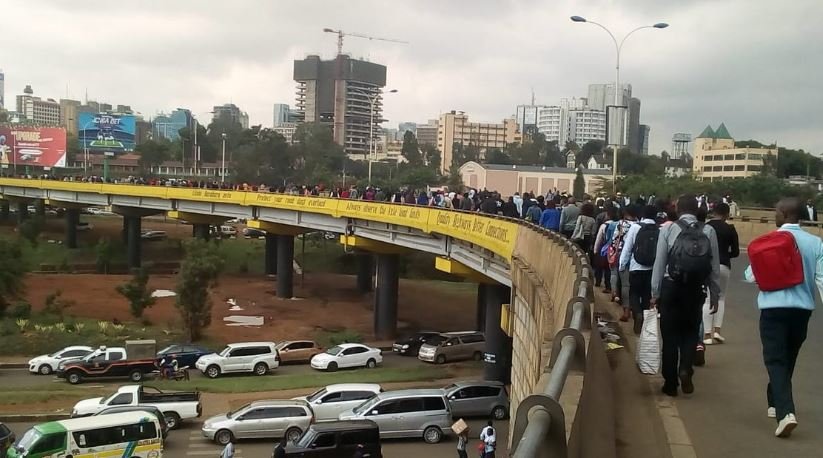
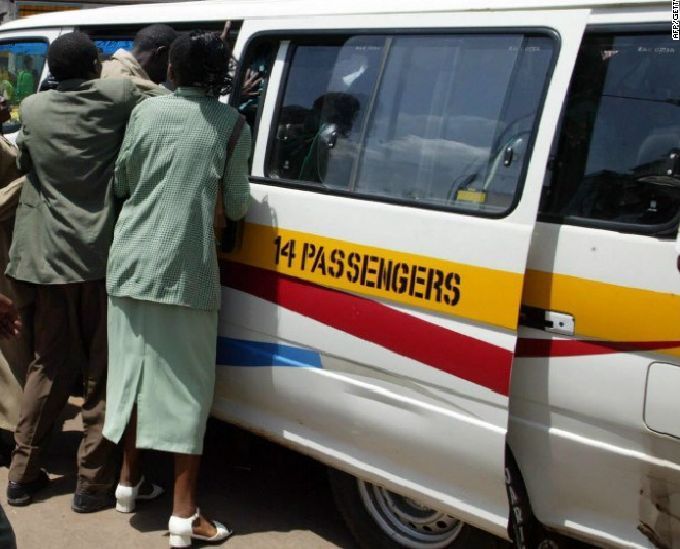
The diverse coalition had mobilized to protest a brutal, cumulative fuel price hike of up to KSh 76 per litre across diesel, petrol, and kerosene—costs that have aggressively driven up commuting fares and grocery prices nationwide.
However, the breakaway faction shattered this unity during a closed-door meeting on Tuesday, May 19. The rogue players sat down with Energy Cabinet Secretary Opiyo Wandayi, Roads and Transport CS Davis Chirchir, Interior CS Kipchumba Murkomen, and Nairobi Governor Johnson Sakaja, directly violating an alliance pact that explicitly forbade any single subsector from negotiating independently.
A “Surrender, Not a Victory”
Following the unauthorized talks, the government implemented a minor KSh 10 reduction on diesel alone through the Energy and Petroleum Regulatory Authority (EPRA). MAK and its allied partners have flatly rejected this concession, labeling the deal a capitulation that fails to address the root crisis.
According to MAK, this incident mirrors past betrayals seen in 2018 and 2024, where a few familiar actors compromised the collective bargaining power of the industry for short-term, ineffective government promises. They further noted that the individuals who shook hands with the state did not sign any legally binding framework, casting serious doubt on the legitimacy of the agreement that suspended the strike for seven days.
Media Accused of Sidelining Grievances
The association also turned its guns on mainstream media houses, accusing them of misreporting the crisis by framing the entire protest as a single-sector issue.
MAK noted that the press chose to give a disproportionate spotlight to a few select individuals, allowing the comprehensive grievances of ordinary Kenyan motorists, cargo haulers, and informal transporters to be quietly sidelined and forgotten. Despite the announced one-week truce, the deeper cracks within the transport sector suggest the underlying standoff is far from resolved.