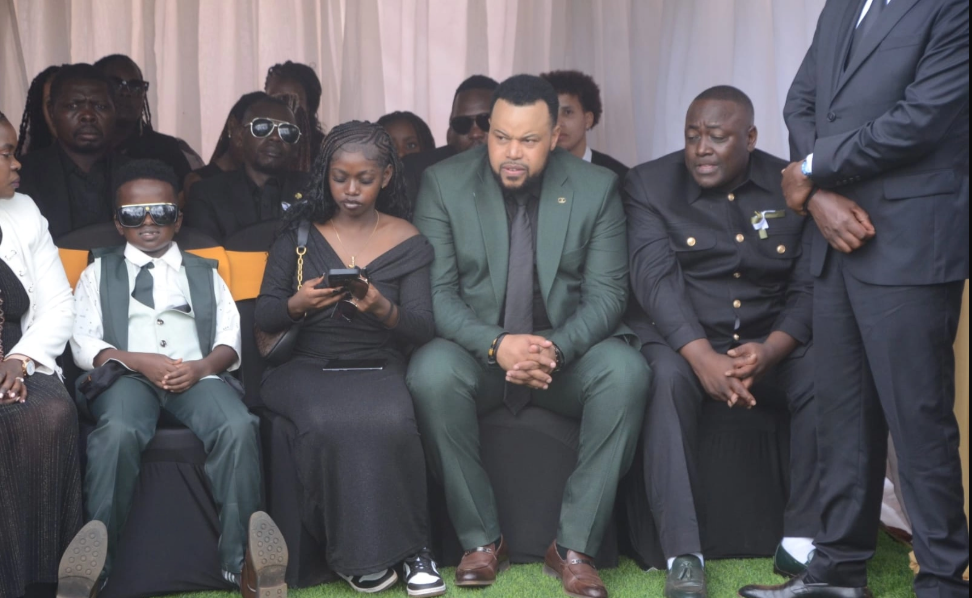
Amber Ray Joins Femicide Protests, Expresses Fear For Her Daughter’s Future
Renowned digital creator and entrepreneur Faith Makau, popularly known as Amber Ray, has broken her silence on Kenya’s escalating femicide crisis, declaring the issue deeply personal as both a woman and a mother raising a young daughter.
Joining a growing chorus of influential public figures using their platforms to demand institutional accountability, Amber Ray released a poignant statement on Monday, June 1, 2026, in solidary with the Madaraka Day street protests against gender-based violence.
A Mother’s Constant Anxiety
The lifestyle influencer rejected the idea that violence against women is a distant social issue, describing the psychological toll that the current wave of abductions and killings is taking on Kenyan women during their everyday routines.
“As a woman and a mother to a daughter, the conversation around femicide is never distant from me,” Amber Ray shared. “Every woman deserves the freedom to live, love, work, dream, and exist without fear. We should not have to constantly think about our safety; we should not have to wonder if we will make it home.”
The socialite pointed out the grim reality where ordinary activities—like commuting to work, going on dates, or running businesses—have become sources of extreme anxiety for women who must constantly calculate their survival risks.
Standing Against “Hashtag Justice”
Amber Ray voiced her deep frustration with a reactive state apparatus and public culture that only pays attention to women’s safety after a tragedy has already occurred. She warned that reducing the lives of young women to short-lived digital trends undermines the fight for real judicial justice.
“We should not have to become another hashtag before action is taken,” she maintained. “Today, I stand in solidarity with the women marching, speaking out, and demanding change… Our lives matter.”
Intergenerational Mobilization on Madaraka Day
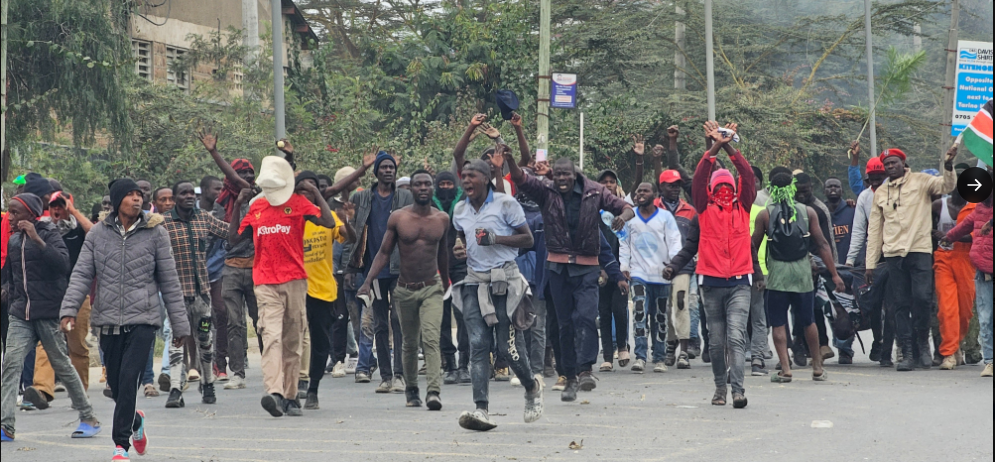
Amber Ray’s public stance coincides with a significant, unified mobilization within Kenya’s creative economy. Her remarks directly echo the street protests led by media personality Janet Mbugua and activist Boniface Mwangi, who spent the national holiday marching with symbolic coffins and child toys in the capital to protest police laxity.
By framing the femicide crisis as an intergenerational threat that endangers the future of young girls growing up today, Amber Ray’s statement signals a major shift. The conversation is moving past standard human rights circles and firmly into the mainstream digital space, piling immense pressure on the Directorate of Criminal Investigations (DCI) and the Ministry of Interior to enforce stricter protections for women nationwide.