Matatu Operators Suspend NationWide Strike For A Week
A fragile calm has returned to Kenya’s urban centers after matatu operators temporarily suspended their crippling nationwide strike over skyrocketing fuel prices. The breakthrough followed intense emergency deliberations between union leaders and cabinet officials in Nairobi, bringing a temporary end to two days of empty highways, closed terminals, and millions of stranded commuters.
The 48-hour standoff has exposed the deep economic vulnerabilities of a nation heavily reliant on road transport. With the strike suspension slated to last only until Tuesday, May 26, 2026, the government faces a narrow seven-day window to broker a sustainable pricing agreement with the Transport Sector Alliance and avert a prolonged economic crisis.
The Anatomy of a Nationwide Standstill
The coordinated industrial action, which commenced late Sunday evening, managed to paralyze key transport corridors across the country. Major logistical arteries, including the Thika Superhighway, Mombasa Road, and the Nairobi-Nakuru highway, witnessed an unprecedented absence of public service vehicles (PSVs). Hundreds of thousands of workers were forced to walk long distances to their destinations, while others abandoned their commutes entirely.
Economists at the Central Bank of Kenya suggest that each day of complete transport paralysis drains billions of shillings from the national economy. The informal sector, which relies on daily mobility for retail trade, bore the brunt of the shutdown. Fresh produce rotted at transit hubs, and essential services reported severe staff shortages across both public and private institutions.
The Economic Hemorrhage on the Highways
The ripple effects of the transport freeze extended beyond passenger inconvenience. Heavy commercial logistics, ride-hailing networks, and localized motorcycle operators joined the boycott in solidarity. The Transport Sector Alliance indicated that operators have been absorbing unsustainable operational losses for months, choosing to park their fleets rather than operate at a deficit under the current petroleum pricing regime.
Urban economic analysts emphasize that the matatu industry is a massive employer supporting mechanics, terminal clerks, fuel attendants, and informal vendors. When the sector grounds its vehicles, the localized financial ecosystem immediately collapses, pushing thousands of vulnerable households into financial distress.
Tense Negotiations at the Ministry
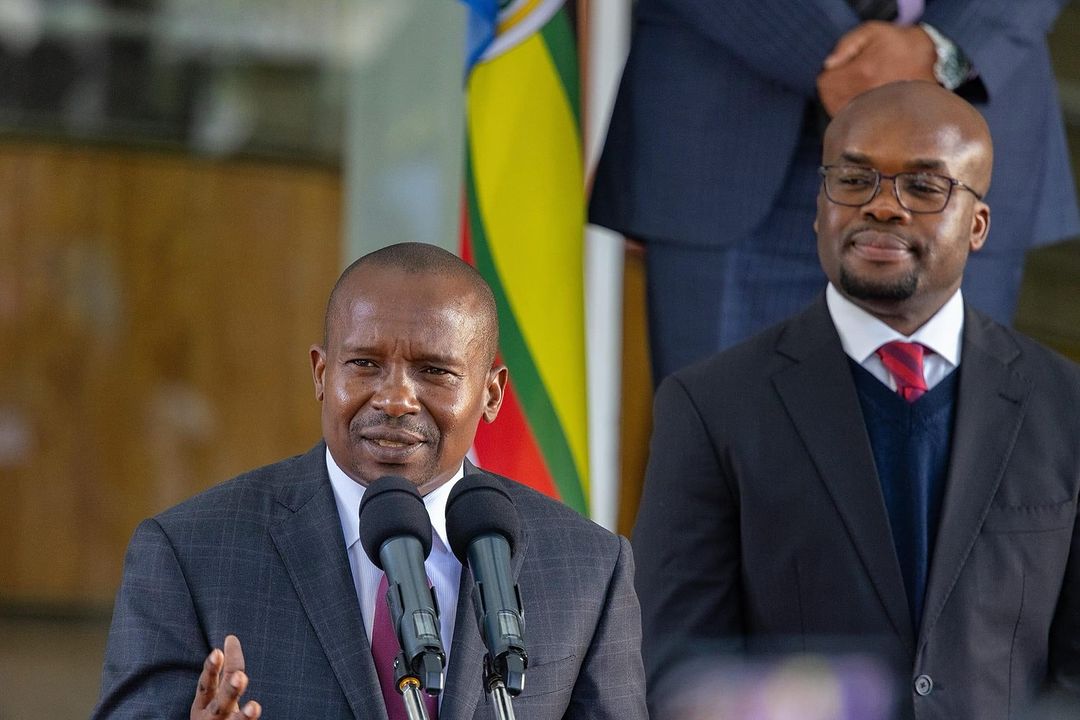
The breakthrough occurred during high-stakes deliberations spearheaded by Interior Cabinet Secretary Kipchumba Murkomen and Energy Cabinet Secretary Opiyo Wandayi. Recognizing the mounting threat to public order, the state moved to bring dissenting stakeholders to the table. The government has committed to a comprehensive review of the pricing structure and associated taxation frameworks that currently inflate the cost of importation and retail distribution.
However, the negotiations remain fraught with deep underlying mistrust. Union officials have explicitly warned that the resumption of services is not a capitulation, but rather a diplomatic grace period. If concrete policy shifts are not gazetted by the May 26 deadline, operators have threatened to launch an even more expansive, indefinite industrial shutdown.
The Numbers Behind the Pump Prices
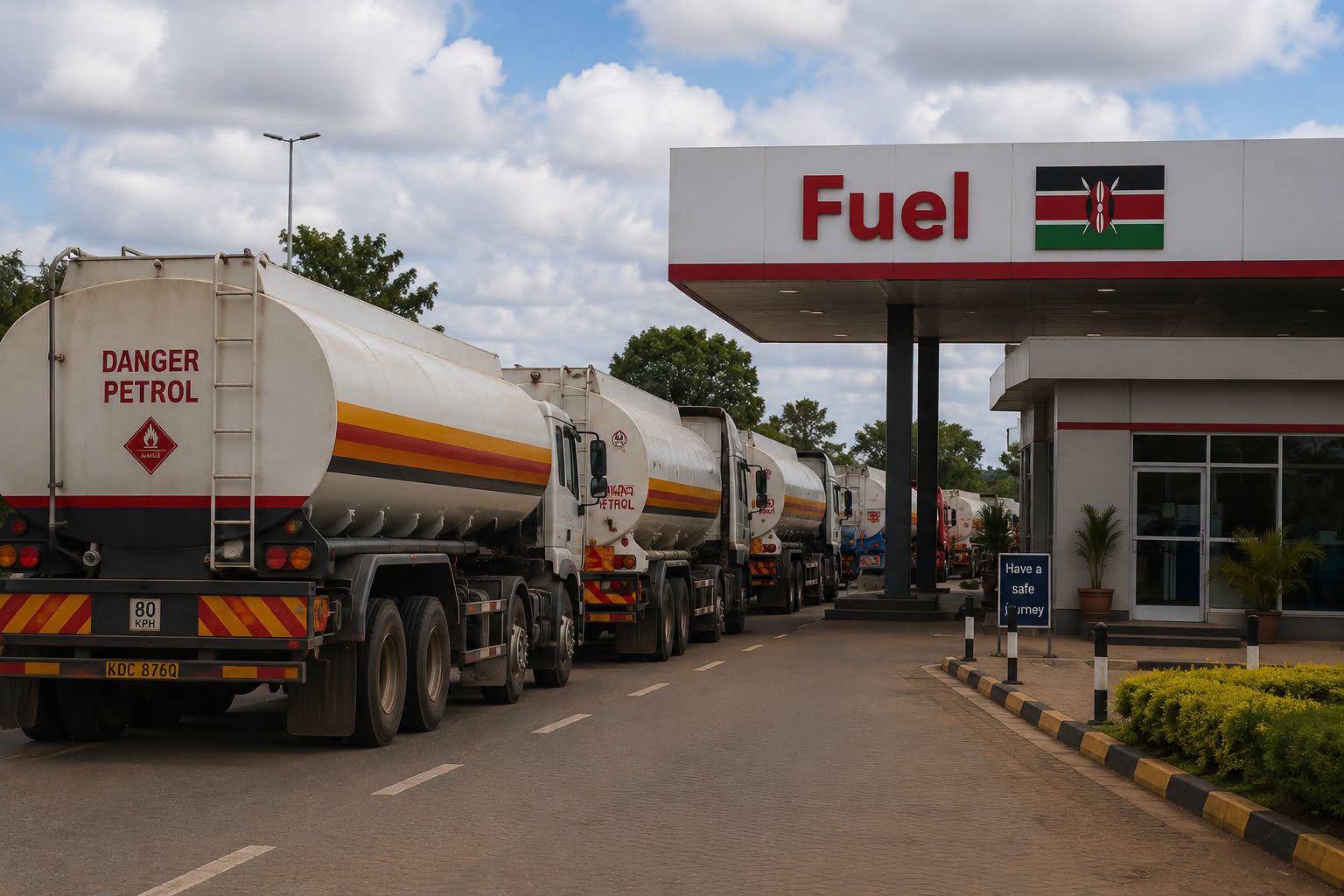
At the core of the grievance are the recent regulatory pricing directives issued by the Energy and Petroleum Regulatory Authority (EPRA). The structural cost of energy in Kenya remains heavily burdened by cumulative levies and volatile global market conditions.
Currently, Diesel retails at KES 232.86 per litre in Nairobi, heavily impacting commercial transport, while Kerosene stands at KES 191.38 per litre, affecting low-income households. Super Petrol remains at KES 214.25 per litre despite recent treasury interventions that deployed KES 2.7 billion from the stabilization fund to cap further spikes.
An Uneasy Countdown
As the one-week deadline looms, the streets of Nairobi hum with an uneasy, temporary rhythm. Policy experts warn that the government’s fiscal space is severely constrained by international debt obligations, leaving little room for massive blanket fuel subsidies.
The state must now attempt a delicate balancing act: appeasing a militant transport sector without breaching the stringent macroeconomic targets set by multilateral lenders. What happens in the cabinet over the next seven days will dictate the immediate economic future of the nation.