President Ruto Offers To Boost Majembe vs Mbavu Destroyer Boxing Match With Millions
President William Ruto has once again signaled his affinity for the “hustler” creative economy by extending a significant financial boost to two of Kenya’s rising digital stars. During a recent encounter that blended high-level politics with grassroots humor, the President offered a substantial Ksh 1 million to the popular comedy duo, Mbavu Destroyer and Majembe. The gesture, which quickly went viral across TikTok and X (formerly Twitter), is being seen as a calculated move to validate the administration’s “Talanta Hela” spirit by putting resources directly into the hands of young creators who have built massive audiences through raw, relatable content.
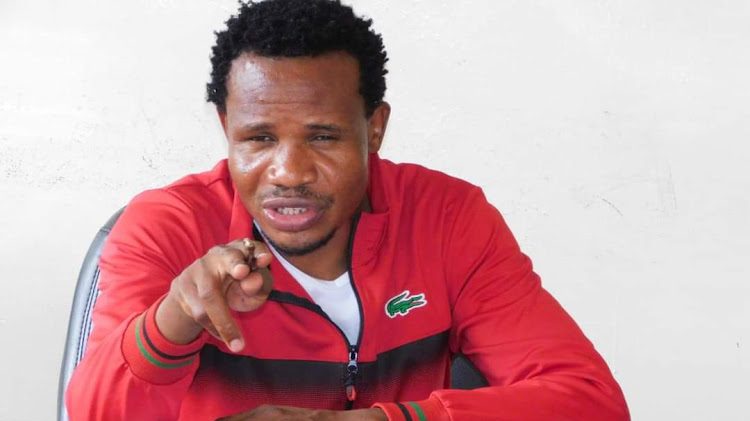
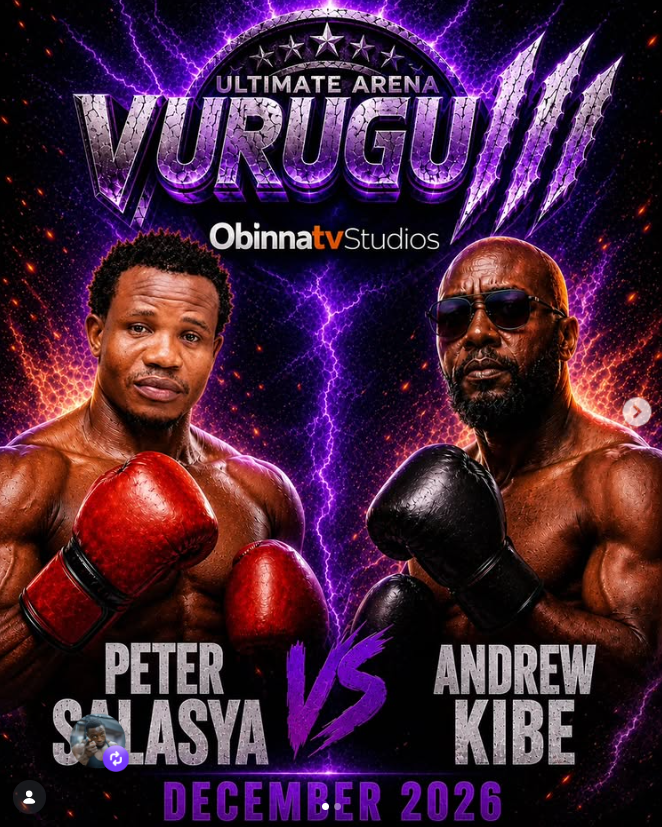
Mbavu Destroyer vs Majembe fight
Known for their rib-cracking street skits and unfiltered depictions of life in the “trenches,” Mbavu Destroyer and Majembe have carved out a niche that resonates deeply with the ordinary Kenyan. Their meeting with the Head of State was characterized by the President’s visible amusement as the duo showcased the very craft that made them famous. Ruto, who often positions himself as a patron of the youth, noted that the Ksh 1 million was intended to help the creators professionalize their output. The funds are expected to go toward high-quality recording equipment, studio space, and branding, allowing the duo to scale their digital footprint from casual content to a fully-fledged production house. For the comedians, the transition from filming on dusty streets to receiving a windfall from the country’s most powerful office is a classic “hustle-to-success” story that reinforces the administration’s narrative of upward mobility.
However, the gesture was not without its share of online scrutiny. As the news of the “million-shilling handshake” spread, netizens were divided on its implications. While many fans celebrated the duo’s success as a win for the entire creative community, critics were quick to question the sustainability of such one-off cash injections. On social media, discussions arose regarding whether these “presidential gifts” are a substitute for the structural reforms needed in the creative sector, such as better copyright laws and institutionalized funding. Others pointed to the irony of such generosity occurring amidst a backdrop of austerity measures and budget cuts in sectors like education, highlighting the ongoing tension between populist political gestures and the country’s broader fiscal realities.
Regardless of the political debate, the immediate impact on the lives of Mbavu Destroyer and Majembe is undeniable. The duo expressed profound gratitude for the recognition, promising to use the platform and the funds to mentor other aspiring Gen Z creators. This interaction serves as a striking reminder of the shifting power dynamics in Kenya’s media landscape. In 2026, viral fame is no longer just a hobby; it is a legitimate currency that can open the doors of State House. As the digital economy continues to evolve, Ruto’s engagement with such creators suggests that the government is increasingly aware that the hearts and minds of the youth are won one viral skit—and one million shillings—at a time.